 English
  Español
  Français
  Português
  Deutsch
  Italiano
  Русский
  العربية
  简体中文
简体中文  香港中文
香港中文  한국어
한국어  日本語
日本語  Türkçe
  Nederlands
  Bahasa Indonesia
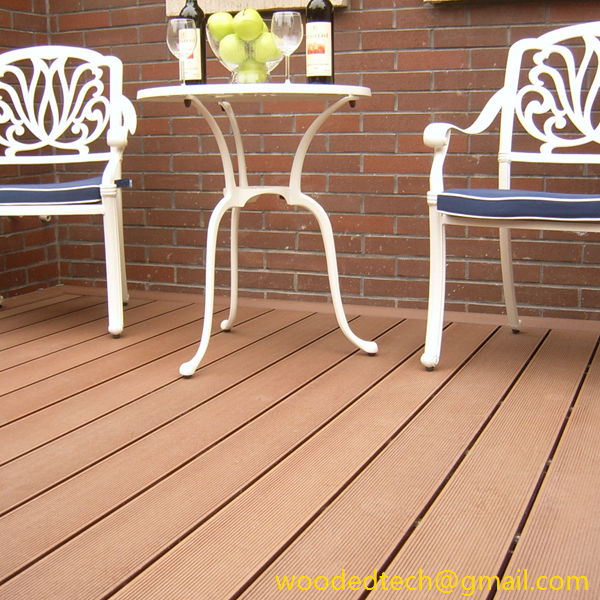
 Composite decking has emerged as a popular choice for outdoor spaces, providing homeowners with a beautiful and durable alternative to traditional wood decking. One of the most appealing aspects of composite decking is its vibrant color palette, which can enhance the aesthetic of any outdoor area. Understanding the materials and production processes that contribute to these vivid colors can help homeowners make informed decisions when selecting the right composite decking for their needs.

Composite decking is typically made from a combination of wood fibers and plastic materials, often recycled, which makes it an environmentally friendly option. The wood fibers provide the natural look and feel of real wood, while the plastic component adds durability and resistance to the elements. This fusion of materials allows for a wide range of color options that can mimic the appearance of various wood species, as well as offer bold and vibrant hues that are not typically found in natural wood.
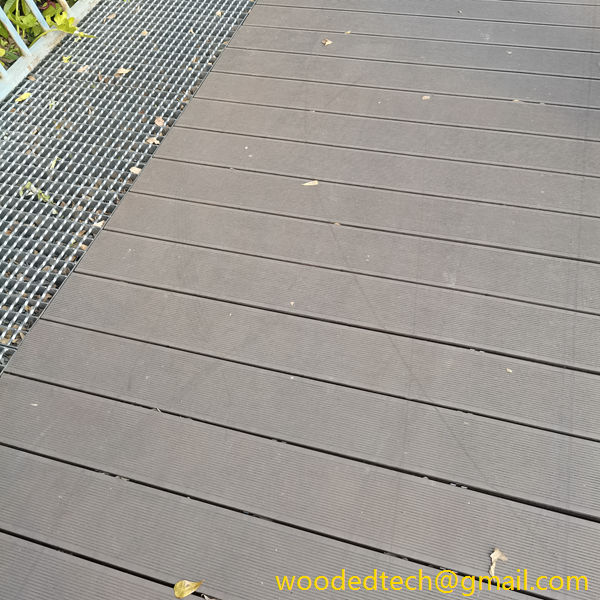
The production process for composite decking begins with the careful selection of raw materials. Manufacturers source high-quality wood fibers and plastics, ensuring that they are free from contaminants and defects. These materials undergo a series of processes including grinding, blending, and mixing. During this stage, color pigments are added to the mixture. These pigments are crucial in achieving the desired color and can be custom formulated to create a variety of shades. The choice of pigments can greatly influence the final appearance of the decking, allowing for vibrant reds, deep browns, rich grays, and even striking blues and greens.

Once the materials are blended, they are subjected to a process called extrusion. In this step, the mixture is heated and forced through a specially designed mold, creating long boards of composite decking. The extrusion process not only shapes the boards but also helps to evenly distribute the color pigments throughout the material, ensuring a consistent appearance. Because composite decking is engineered rather than cut from natural wood, it is less prone to color fading over time, which is a common issue with traditional wood decks that are exposed to sunlight and weather.
After extrusion, the boards undergo a cooling process before being cut to size and finished. Some manufacturers apply additional surface treatments to enhance the color and protect the decking from UV rays and moisture. These treatments can include protective coatings that seal in the color, making the boards more resistant to fading and staining. This means that homeowners can enjoy the vibrant colors of their composite decking for years without the need for frequent maintenance or re-staining.
Another advantage of composite decking is its versatility in design. With the ability to create custom colors and finishes, homeowners can choose decking that complements their outdoor space. Whether aiming for a classic look with earthy tones or a modern aesthetic with bold colors, composite decking offers endless design possibilities. Additionally, many manufacturers provide collections that feature coordinating railing systems, lighting options, and accessories, allowing for a cohesive look throughout the entire outdoor area.
The installation of composite decking is also straightforward, which can further enhance its appeal. The lightweight nature of the material makes it easy to handle, and many products are designed for quick installation without the need for special tools. This not only speeds up the construction process but also allows homeowners to begin enjoying their outdoor spaces sooner. Furthermore, composite decking is designed to be slip-resistant and splinter-free, making it a safe choice for families and pets.
As homeowners seek to create inviting outdoor spaces that reflect their personal style, the vibrant colors of composite decking provide an excellent solution. With a combination of durability and aesthetic appeal, composite decking can transform patios, balconies, and garden spaces into vibrant retreats. By understanding the materials and production processes involved in creating composite decking, homeowners can appreciate the quality and craftsmanship that goes into each board.
When selecting composite decking, it is essential to consider the color options available and how they will fit into the overall design of the space. Whether one opts for a natural wood look or a bold, contemporary color, the right choice can enhance the beauty of the outdoor area. With advancements in technology and manufacturing processes, composite decking continues to evolve, offering innovative solutions that meet the demands of modern homeowners seeking both style and sustainability. As outdoor living spaces become increasingly important, the vibrant colors of composite decking stand out as a practical and attractive choice for enhancing any environment.