 Français
  English
  Español
  Português
  Deutsch
  Italiano
  Русский
  العربية
  简体中文
简体中文  香港中文
香港中文  한국어
한국어  日本語
日本語  Türkçe
  Nederlands
  Bahasa Indonesia
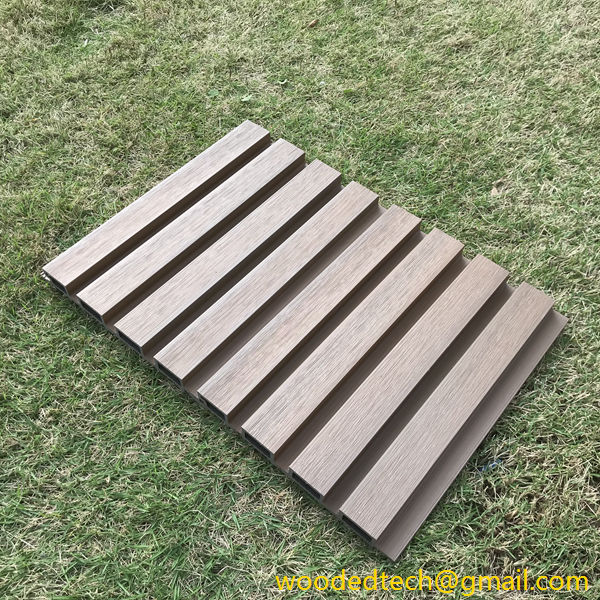
 L'évolution de la conception architecturale a conduit à des solutions innovantes qui améliorent à la fois l'attrait esthétique et la fonctionnalité. Parmi ces avancées, les panneaux muraux extérieurs en 3D se sont imposés comme un choix de premier plan pour créer des caractéristiques extérieures étonnantes. Ces panneaux servent non seulement de barrière protectrice contre les facteurs environnementaux, mais contribuent également de manière significative à l'impact visuel global des bâtiments.
La production de panneaux muraux extérieurs en 3D commence par une sélection minutieuse des matériaux. Des matières premières de haute qualité sont essentielles pour la durabilité et la performance. Les matériaux couramment utilisés sont le polyéthylène haute densité, la fibre de verre et diverses formes de béton. Chaque matériau offre des avantages distincts, tels que la résistance aux intempéries, la résistance aux chocs et les faibles besoins d'entretien. Le choix du matériau influe également sur la texture, la couleur et la finition du panneau, ce qui permet un large éventail de possibilités de conception.
Une fois les matériaux sélectionnés, le processus de production passe à la phase de conception. Un logiciel avancé de conception assistée par ordinateur est utilisé pour créer des motifs et des textures complexes qui définissent l'attrait esthétique du panneau. Les concepteurs peuvent expérimenter diverses formes géométriques, formes organiques et finitions de surface pour obtenir l'aspect souhaité. Cette étape est cruciale car elle jette les bases de l'apparence et de la fonctionnalité finales du panneau.

Une fois la conception finalisée, le processus de fabrication commence. Il s'agit souvent d'une combinaison de techniques telles que l'extrusion, le moulage et la coulée. Par exemple, dans le cas des panneaux en béton, un moule est créé sur la base de la conception numérique, et le béton est coulé dans le moule pour former la forme souhaitée. Ce processus permet une précision et une répétabilité élevées, garantissant que chaque panneau répond à des normes de qualité rigoureuses.
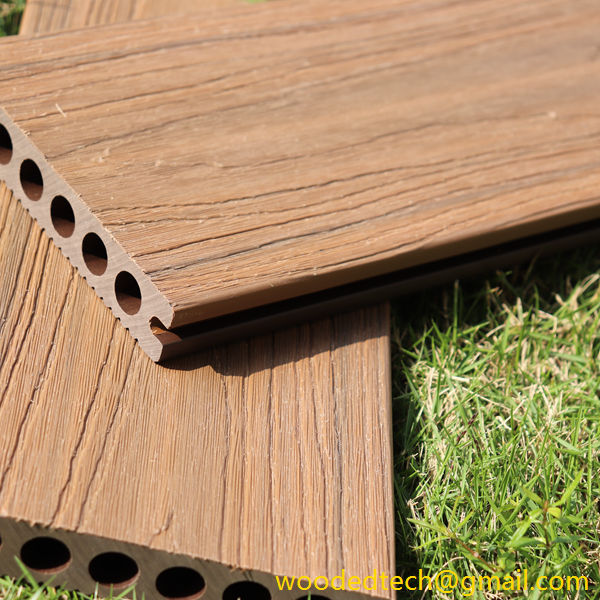
Dans le cas des panneaux à base de polymères, le processus d'extrusion consiste à faire fondre la matière première et à la forcer à travers une filière qui lui donne la forme souhaitée. Cette méthode est particulièrement efficace pour produire des panneaux légers, faciles à manipuler et à installer. Une fois les panneaux formés, ils sont soumis à un processus de durcissement qui renforce leur résistance et leur durabilité. Cette étape est essentielle, en particulier pour les applications extérieures où l'exposition aux éléments peut dégrader les matériaux de qualité inférieure.
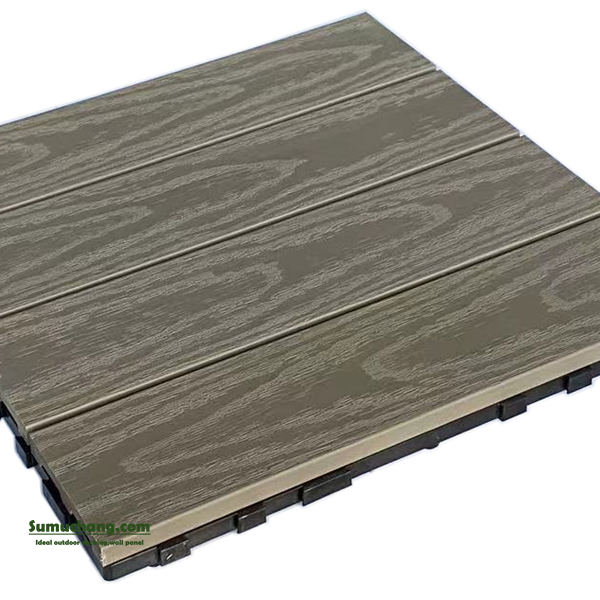
Le traitement de surface est un autre aspect critique du processus de production. Une fois les panneaux formés, ils reçoivent souvent des traitements supplémentaires pour améliorer leurs propriétés. Il peut s'agir d'appliquer des revêtements résistants aux UV pour protéger les panneaux des dommages causés par le soleil ou d'ajouter des finitions texturées pour améliorer la résistance au glissement. Ces traitements permettent non seulement de prolonger la durée de vie des panneaux, mais aussi d'améliorer leurs qualités esthétiques, ce qui les rend plus attrayants.
L'installation de panneaux muraux extérieurs en 3D nécessite une planification et une exécution minutieuses. Les panneaux sont généralement conçus pour s'emboîter les uns dans les autres, ce qui permet de rationaliser le processus d'installation. Cette approche modulaire réduit considérablement les coûts de main-d'œuvre et le temps d'installation. En outre, la légèreté de nombre de ces panneaux les rend plus faciles à transporter et à manipuler, ce qui simplifie encore le processus.
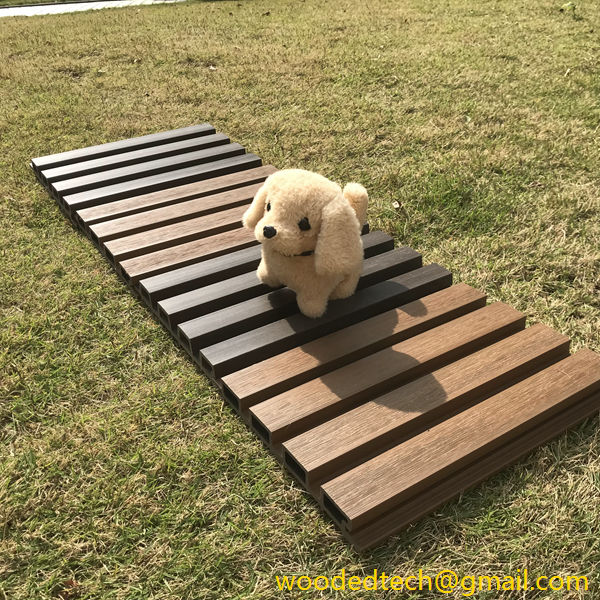
L'un des principaux avantages des panneaux muraux extérieurs en 3D est leur polyvalence. Ils peuvent être utilisés dans une grande variété d'applications, des maisons résidentielles aux bâtiments commerciaux et aux espaces publics. Les architectes et les concepteurs apprécient la possibilité de personnaliser ces panneaux pour les adapter à des thèmes de conception spécifiques et aux exigences du projet. Qu'il s'agisse d'un look moderne et épuré ou d'une esthétique plus traditionnelle, les panneaux 3D peuvent être adaptés pour répondre à la vision du concepteur.

Outre leurs avantages esthétiques, ces panneaux contribuent également à l'efficacité énergétique. De nombreux panneaux muraux extérieurs en 3D sont conçus pour fournir une isolation, aidant à réguler les températures intérieures et à réduire la consommation d'énergie. Cette efficacité énergétique va de pair avec la demande croissante de pratiques de construction durables, ce qui fait de ces panneaux une option attrayante pour les projets soucieux de l'environnement.
Le marché des panneaux muraux extérieurs en 3D continue de croître grâce aux progrès de la technologie et de la science des matériaux. Les innovations dans les techniques de production conduisent à des conceptions encore plus complexes et à des caractéristiques de performance améliorées. Au fur et à mesure que les fabricants explorent de nouveaux matériaux et de nouvelles méthodes, les possibilités d'expression créative en matière de conception architecturale s'élargissent.
En fin de compte, la combinaison de l'attrait esthétique, de la durabilité et de la polyvalence fait des panneaux muraux extérieurs en 3D un excellent choix pour améliorer les caractéristiques extérieures. À mesure que le paysage architectural évolue, ces panneaux offrent une solution unique qui répond aux exigences de la construction moderne tout en offrant des possibilités infinies de créativité en matière de conception. Comme de plus en plus d'architectes et de constructeurs en reconnaissent les avantages, il est probable que les panneaux muraux extérieurs en 3D joueront un rôle de plus en plus important dans le façonnement de l'avenir de l'architecture extérieure.