 Français
  English
  Español
  Português
  Deutsch
  Italiano
  Русский
  العربية
  简体中文
简体中文  香港中文
香港中文  한국어
한국어  日本語
日本語  Türkçe
  Nederlands
  Bahasa Indonesia
 La montée des conceptions murales en relief dans la décoration moderne
Les conceptions de murs en relief sont devenues de plus en plus populaires dans les intérieurs contemporains, offrant à la fois un attrait esthétique et des avantages fonctionnels.Ces surfaces texturées offrent un moyen innovant d'ajouter de la profondeur et du caractère aux espaces, en combinant l'artisanat traditionnel avec la technologie moderne.En tant que directeur des ventes internationales pour un fabricant chinois de WPC en plein air, j’ai été témoin de cette tendance et je comprends les opportunités qu’elle présente pour les acheteurs étrangers à la recherche de fournisseurs fiables et de matériaux de haute qualité.
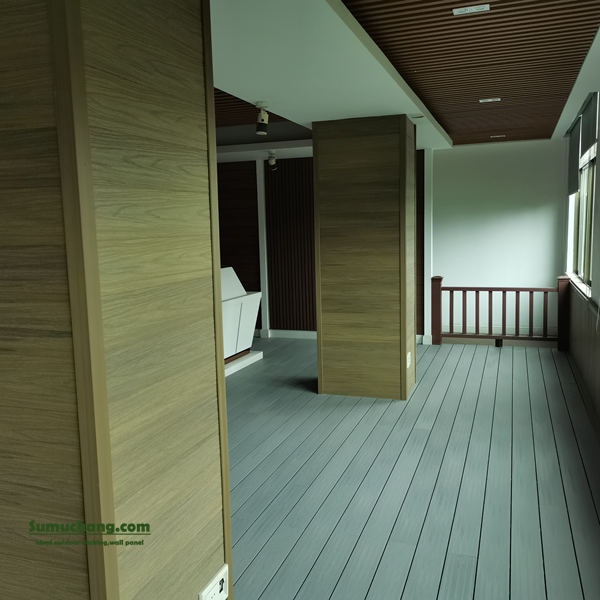
WPC, ou composite bois-plastique, est une alternative fantastique aux matériaux de construction traditionnels, et son application s'étend aux conceptions de murs en relief.Ces produits peuvent reproduire l'apparence du bois naturel tout en offrant une durabilité et une résistance aux conditions météorologiques améliorées.Cela les rend particulièrement attrayants pour les applications extérieures où l’esthétique et la durabilité sont primordiales.
Sélectionner des fournisseurs WPC fiables
Lors de l'aventure sur le marché international des produits muraux en relief, il est essentiel de sélectionner un fournisseur WPC fiable.Les acheteurs devraient commencer par rechercher des fabricants potentiels, en mettant l'accent sur leur réputation et leur expérience dans la production de conceptions de murs en relief.Un fournisseur qui est sur le marché depuis plusieurs années aura probablement affiné ses processus et ses mesures de contrôle de la qualité, ce qui peut se traduire par de meilleurs produits.
En outre, il est sage de vérifier les certifications qui indiquent la conformité aux normes internationales.Les certifications telles que ISO 9001 peuvent servir de référence pour l'assurance qualité dans les processus de fabrication.S’engager dans des salons professionnels ou des expositions de l’industrie peut fournir des informations précieuses sur les capacités des fournisseurs et permettre aux acheteurs d’établir des liens personnels qui favorisent la confiance.
Évaluer les usines et l'assurance qualité
Une fois que les fournisseurs potentiels ont été identifiés, la visite de leurs usines peut fournir une compréhension complète de leurs opérations.Une évaluation directe permet aux acheteurs d'évaluer la capacité de production, l'équipement et les conditions générales dans lesquelles les matériaux muraux en relief sont fabriqués.S’assurer que l’usine respecte les réglementations en matière de santé et de sécurité est également cruciale, car elle reflète l’engagement du fournisseur envers la qualité et le bien-être des employés.
Lors d'une visite en usine, les acheteurs doivent faire très attention aux processus d'assurance de la qualité en place.Cela comprend la vérification de la façon dont les matières premières sont achetées, les protocoles d'essai pour les produits finis et la réactivité du fournisseur à tout problème de qualité qui pourrait survenir.Les fournisseurs fiables devraient avoir des procédures de contrôle de qualité rigoureuses, avec des tests approfondis des propriétés du matériau telles que la résistance, la durabilité et la résistance aux facteurs environnementaux.
Confirmation des spécifications et de la personnalisation
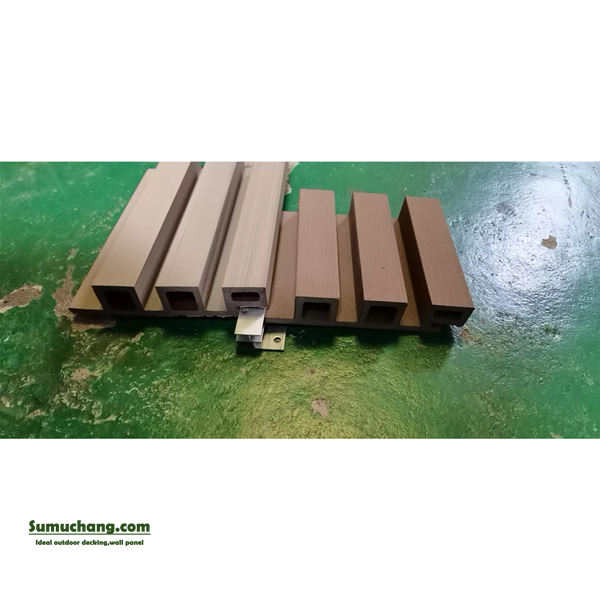
Avant de passer une commande, il est essentiel de confirmer les spécifications des produits muraux en relief.Les acheteurs doivent s'assurer que la conception, les dimensions et la finition répondent à leurs exigences.Une communication claire est essentielle pour éviter toute mauvaise interprétation, en particulier lorsqu’il s’agit de conceptions personnalisées ou de textures spécifiques.Il est conseillé de demander des échantillons pour évaluer la qualité et la conception avant de s'engager sur des commandes plus importantes.
De nombreux fabricants offrent des services de personnalisation OEM, permettant aux acheteurs d'adapter les produits en fonction de leurs besoins spécifiques.Cette flexibilité peut être un avantage sur des marchés concurrentiels où des offres uniques peuvent aider à différencier une marque.Cependant, il est crucial pour les acheteurs de documenter toutes les spécifications et tous les accords pour se protéger contre les litiges potentiels pendant le processus de fabrication.
Éviter les risques d'achat courants
L’achat de produits muraux en relief à l’international comporte certains risques que les acheteurs doivent connaître.L'un des pièges les plus courants est le fait de ne pas faire preuve de diligence raisonnable sur les fournisseurs, ce qui peut entraîner des produits inférieurs et des pertes financières.Pour atténuer ce risque, impliquez des services d'inspection tiers qui peuvent vérifier la qualité du produit avant expédition.
En outre, des conditions de paiement et des calendriers de livraison clairs devraient être établis à l'avance.Les acheteurs doivent éviter de faire des paiements complets avant que les produits n'aient été inspectés et reçus.Les accords transparents aideront à maintenir une relation positive avec les fournisseurs et à minimiser les malentendus pendant le processus de transaction.Il est également important de rester informé de toute réglementation commerciale ou de tout tarif qui pourrait avoir une incidence sur les coûts associés à l'importation de matériaux du WPC.
Bâtir des relations durables avec les fournisseurs
L’établissement d’une relation à long terme avec des fournisseurs WPC fiables garantit non seulement une qualité constante des produits muraux en relief, mais ouvre également des possibilités de collaboration sur les projets futurs.Une communication, une rétroaction et un soutien réguliers peuvent favoriser la confiance et la croissance mutuelle dans la relation d’affaires.
Être proactif dans le maintien de ces relations peut contribuer de manière significative au succès de votre entreprise sur le marché concurrentiel des matériaux décoratifs.Les fournisseurs qui comprennent vos besoins et vos préférences peuvent adapter leurs offres en conséquence, en vous assurant de rester à l’avant-garde des tendances de conception et des attentes des clients.