 English
  Español
  Français
  Português
  Deutsch
  Italiano
  Русский
  العربية
  简体中文
简体中文  香港中文
香港中文  한국어
한국어  日本語
日本語  Türkçe
  Nederlands
  Bahasa Indonesia
 Get Accurate WPC Panel Cost Estimates for Your Projects
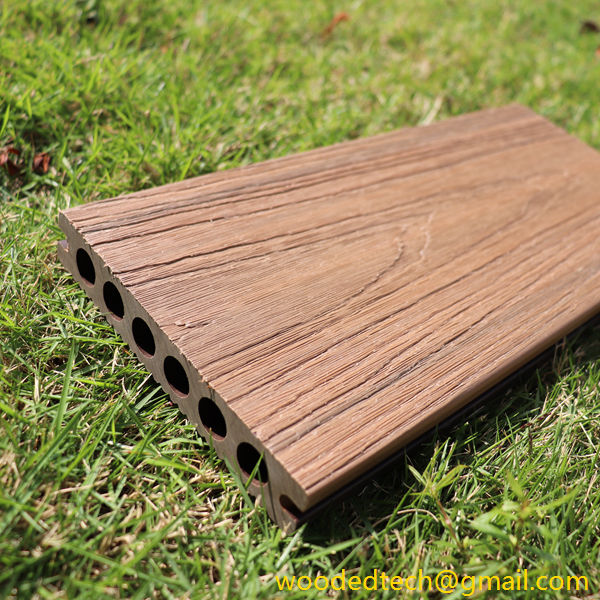
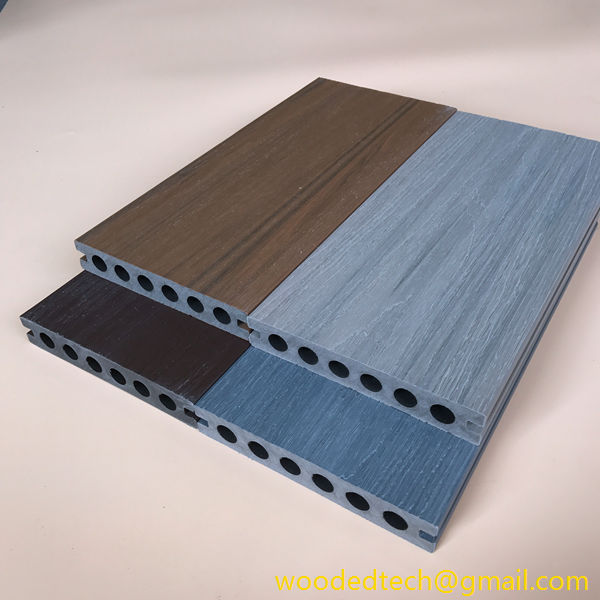
When embarking on a construction or renovation project, one of the most critical aspects to consider is the budget. This is especially true when it comes to selecting materials, as costs can vary significantly based on the type of product you choose. One popular option in today’s market is wood-plastic composite panels, commonly referred to as WPC panels. These panels have gained traction due to their durability, aesthetic appeal, and low maintenance requirements. However, securing accurate cost estimates for WPC panels is essential to ensure that your project remains within budget and meets your design aspirations.
Understanding the factors that influence the cost of WPC panels is crucial for making informed decisions. First, the composition of the panels plays a significant role. WPC panels are made from a combination of wood fibers and plastic, which means that the quality of the materials used can greatly affect the price. Higher-quality wood fibers and plastics typically lead to more durable panels that can withstand wear and tear over time. As you explore your options, consider the trade-offs between cost and quality, as investing in superior materials can save you money in the long run by reducing the need for replacements and repairs.
Another important factor to consider is the size and thickness of the WPC panels. Larger panels tend to cost more than smaller ones due to the increased material and processing required. Additionally, thicker panels may provide better insulation and durability, which could justify the higher price tag. When calculating costs, it is essential to determine the specific dimensions required for your project to get an accurate estimate. This can involve measuring the areas where the panels will be installed and understanding how many panels you will need to purchase.
Market trends can also significantly impact the cost of WPC panels. Prices fluctuate based on supply and demand dynamics, seasonal influences, and even geopolitical factors that affect raw material sourcing. Keeping an eye on market trends can help you time your purchase strategically. For instance, certain times of the year may see lower demand for construction materials, leading to more competitive pricing. By doing your research and understanding the market landscape, you can potentially secure better deals on WPC panels.

Moreover, installation costs should not be overlooked when estimating the total expenses for your project. While WPC panels are often marketed as easy to install, the reality is that professional installation may be necessary, especially for larger or more complex projects. Labor costs can vary based on location, the expertise of the installers, and the specifics of the installation process. When seeking estimates, be sure to include these potential costs in your budget calculations. It may also be worthwhile to obtain quotes from multiple contractors to ensure you are getting a competitive rate.
Another approach to obtaining accurate cost estimates for WPC panels is to leverage technology and online tools. Numerous websites and applications offer cost calculators that can help you estimate expenses based on your project specifications. By inputting details such as panel dimensions, quantity, and desired quality, these tools can provide a ballpark figure for your material costs. While these estimates are not always precise, they can serve as a useful starting point for budgeting.
Networking with industry professionals can also be invaluable in obtaining accurate price estimates. Builders, architects, and other construction professionals often have firsthand experience with sourcing materials and can provide insights into current pricing trends and reliable suppliers. Building relationships within the industry can lead to recommendations for reputable vendors who offer competitive pricing on WPC panels. Additionally, these professionals may offer insights into potential discounts for bulk purchases or ongoing promotions that could further reduce costs.

When exploring suppliers, it is essential to compare not only prices but also the reputation and reliability of each vendor. Quality service and product consistency can vary greatly between suppliers, so it is important to conduct thorough research before making a purchase. Look for customer reviews, testimonials, and case studies to gauge the experiences of others who have purchased from the supplier. Engaging with suppliers can also lead to opportunities for negotiation, especially if you are making a large order.
As you gather estimates and evaluate your options, consider the long-term implications of your material choices. While it can be tempting to opt for the cheapest option available, this decision may result in higher costs down the line due to maintenance, repairs, or replacements. In contrast, investing in high-quality WPC panels could offer better durability, lower maintenance needs, and an enhanced aesthetic appeal, ultimately making them a more cost-effective choice over time.
In navigating the complexities of project budgeting, it is essential to approach the procurement of WPC panels with a strategic mindset. By understanding the factors that influence pricing, leveraging technology, building industry connections, and carefully evaluating supplier options, you can obtain accurate cost estimates that align with your budget and project goals. This diligent approach will not only enhance the financial viability of your project but also contribute to its overall success and satisfaction with the final results. The careful consideration of material costs and quality will ultimately shape your project’s trajectory and ensure that it meets both your functional needs and aesthetic desires.