 English
  Español
  Français
  Português
  Deutsch
  Italiano
  Русский
  العربية
  简体中文
简体中文  香港中文
香港中文  한국어
한국어  日本語
日本語  Türkçe
  Nederlands
  Bahasa Indonesia
 Preparing the Subframe for WPC Installation
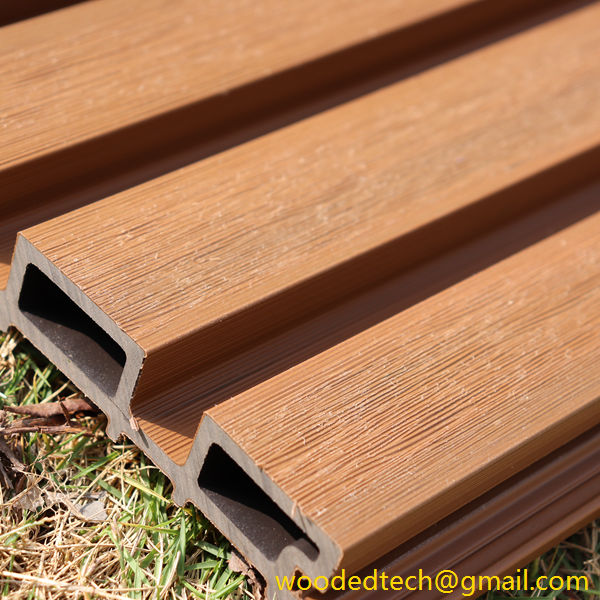
Before you can install outdoor decorative wall panel wood plastic materials, it is essential to prepare the subframe correctly. This subframe, typically constructed from timber or metal, must be structurally sound and level to ensure a stable base for the wall panels. Begin by ensuring that the area is free from debris and any sharp objects that could damage the materials. Next, use a spirit level to check the flatness of the surface. Adjust it as needed by adding or removing material beneath the subframe. Securing the subframe is crucial; utilising screws or anchors will help maintain its integrity and prevent movement over time.
Once the subframe is in place, consider the spacing for the outdoor decorative wall panel wood plastic materials. Maintain a distance of approximately 40-60 cm between supports to ensure that weight is evenly distributed across the panels. This careful planning helps in accommodating the expansion and contraction of the materials due to temperature fluctuations.
Fixing Methods for Wall Panels
When it comes to fixing the wall panels, there are various methods to ensure they remain securely attached to the subframe. One popular option is using hidden fasteners, which create a clean and sleek appearance while providing strong support. Alternatively, surface-mounted screws can be used, although they will be visible and may require additional finishing work to blend them in.
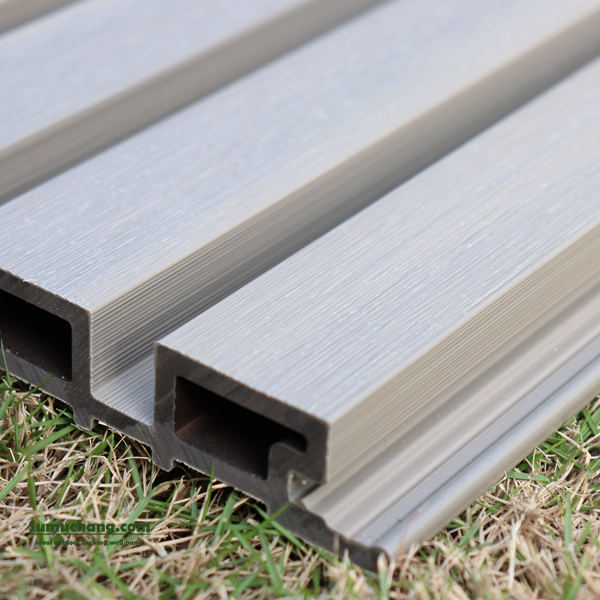
To begin the installation, start from one end of the wall and work your way across. Place the first panel against the subframe and ensure it is level. If using hidden fasteners, follow the manufacturer’s instructions for their installation, ensuring they penetrate the subframe adequately. For surface-mounted screws, pre-drill holes to avoid cracking the panels, then securely fasten each panel in place. It is essential to check for alignment regularly as you progress.
Managing Expansion Gaps
Wood plastic composite materials have a tendency to expand and contract with changing temperatures, making it vital to accommodate for this during installation. Creating expansion gaps is a necessary step that prevents warping and ensures long-term durability of the outdoor decorative wall panel wood plastic materials. Generally, a gap of around 5-10 mm should be left between the ends of adjacent panels and any fixed structures. This allowance provides the necessary space for movement without compromising the aesthetic appeal or functionality of the installation.
As the installation nears completion, ensure that all expansion gaps are consistent and visually pleasing. Use spacers while fixing the panels to maintain the gap sizes, which will contribute to a professional finish. These strategic allowances are especially important in regions with significant temperature variations.
Cutting the Panels to Size
Accurate cutting of the outdoor decorative wall panel wood plastic materials is critical for a seamless installation. Measure each panel according to the specific dimensions required for your project. A circular saw or a jigsaw equipped with a fine-toothed blade is ideal for achieving clean cuts without damaging the material. When cutting, always ensure that the panel is securely supported to prevent any movement, which could lead to uneven edges.
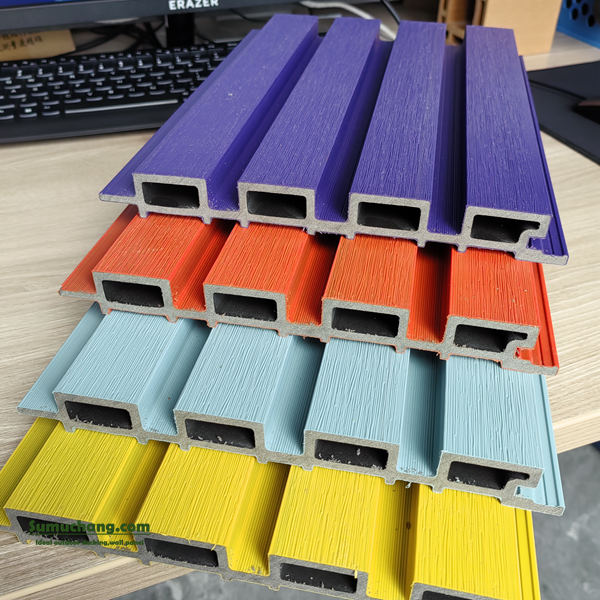
After cutting, it is advisable to sand the edges lightly to remove any roughness, which will help in achieving a snug fit against adjoining panels or structures. A neat finish not only enhances the overall appearance but also aids in preventing potential moisture ingress.
Maintenance Tips for Longevity
Inspect the installation regularly for any signs of wear or damage. Promptly address any issues such as loose panels or visible cracks to prolong the lifespan of the materials. Additionally, consider applying a UV protectant every couple of years to maintain the colour and prevent fading due to sun exposure. This proactive approach will keep your outdoor decorative wall panel wood plastic materials looking fresh and appealing for years to come.