 English
  Español
  Français
  Português
  Deutsch
  Italiano
  Русский
  العربية
  简体中文
简体中文  香港中文
香港中文  한국어
한국어  日本語
日本語  Türkçe
  Nederlands
  Bahasa Indonesia
 The Role of Exterior Wall Cladding in Building Protection
Exterior wall cladding serves a vital function in the architecture of modern buildings by enhancing structural integrity and environmental resilience. In the context of WPC (Wood Plastic Composite) materials, the extrusion process plays a significant part in achieving high-quality cladding products that withstand various external conditions. As a WPC extrusion technology engineer, I can share insights into this intricate process, highlighting every stage from material mixing to the final surface treatment.
Material Mixing and Pelletizing
The journey of producing high-performance exterior wall cladding begins with material selection and mixing. The primary components, wood fibres and thermoplastics, are chosen carefully to meet specific performance requirements. These materials are combined in precise ratios, ensuring that the resulting composite delivers strength, durability, and aesthetic appeal. Once thoroughly mixed, the next step involves pelletizing. This process breaks down the mixed materials into small, uniform pellets, which can then be fed into the extruder. Pelletizing is crucial as it ensures consistent melting and flow during the extrusion process, directly impacting the quality of the final product.
Extrusion Temperature Control
After pelletizing, the pellets are introduced into the extruder where they are subjected to high temperatures. Controlling the temperature throughout the extrusion process is critical for achieving the desired material properties. If the temperature is too low, the material may not melt adequately, leading to poor flow characteristics. Conversely, excessive heat can degrade the polymer and compromise the material’s integrity. By employing advanced thermal monitoring systems, engineers can maintain optimal temperature profiles, allowing for uniform extrusion that facilitates the production of superior exterior wall cladding.
Mold Design and Cooling Calibration
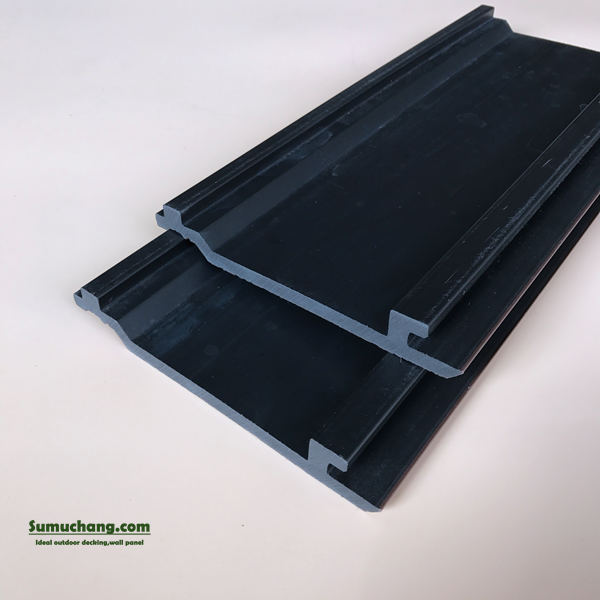
The extruded WPC material is shaped into cladding profiles through meticulously designed molds. Mold design is a sophisticated process that requires attention to detail, as it directly influences the final shape and finish of the cladding. Engineers must consider factors such as the cladding’s aesthetic appeal and functional requirements, including drainage and ventilation. Once the material is extruded into the mold, effective cooling calibration becomes essential. Cooling systems are employed to solidify the material, ensuring it retains the desired shape without warping or distortion. This stage is crucial for producing cladding that not only looks good but also performs reliably under various environmental stresses.
Surface Treatment for Enhanced Performance
The final stage in the production of WPC exterior wall cladding involves surface treatment, which enhances both the aesthetics and performance of the product. Surface treatments can include texturing, painting, or applying protective coatings that improve resistance to UV exposure, moisture, and pests. By adding these treatments, manufacturers can significantly extend the lifespan of the cladding while providing a range of visual finishes to meet diverse architectural styles. The ability to adapt the surface treatment process allows for greater flexibility in meeting the demands of modern construction.
Common Production Problems and Solutions
Benefits of WPC Exterior Wall Cladding
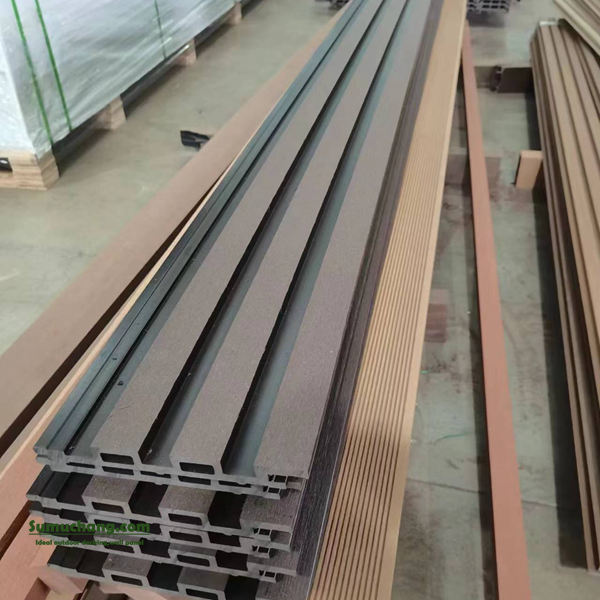
The advantages of using WPC for exterior wall cladding are numerous. The material is not only eco-friendly, made from recycled wood and plastics, but it also offers exceptional durability and low maintenance requirements. WPC cladding is resistant to rot, pests, and weathering, making it an ideal choice for various climatic conditions. Additionally, the aesthetic versatility of WPC allows for a variety of finishes and colours, giving architects and designers the freedom to create stunning façades that enhance the overall appeal of buildings. The integration of WPC exterior wall cladding into modern architecture not only improves building protection but also contributes to sustainable construction practices.