 English
  Español
  Français
  Português
  Deutsch
  Italiano
  Русский
  العربية
  简体中文
简体中文  香港中文
香港中文  한국어
한국어  日本語
日本語  Türkçe
  Nederlands
  Bahasa Indonesia
 The Role of WPC in Sustainable Construction
Recycled composite decking, made from a blend of wood fibres and recycled plastics, contributes significantly to sustainable construction practices. As a WPC extrusion mould design engineer, I am acutely aware of the impact that our material choices and design methodologies can have on both environmental sustainability and construction efficiency. Recycled composite decking offers an eco-friendly alternative to traditional wood products, reducing deforestation and plastic waste while providing a durable and aesthetically pleasing solution for outdoor spaces.
Profile Design and Structural Integrity
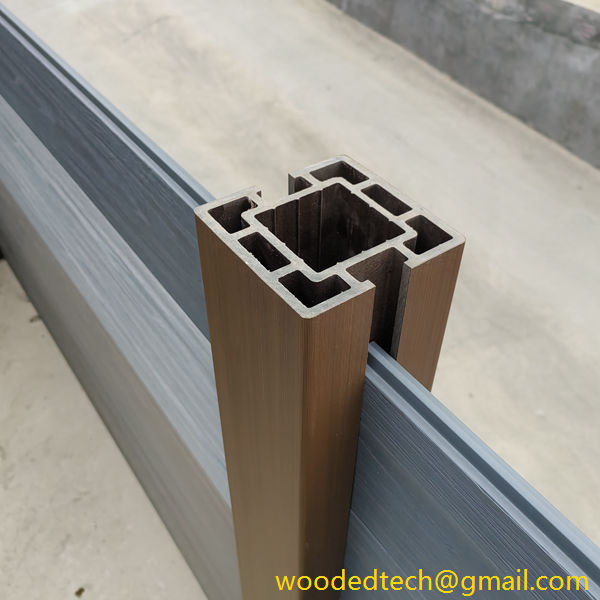
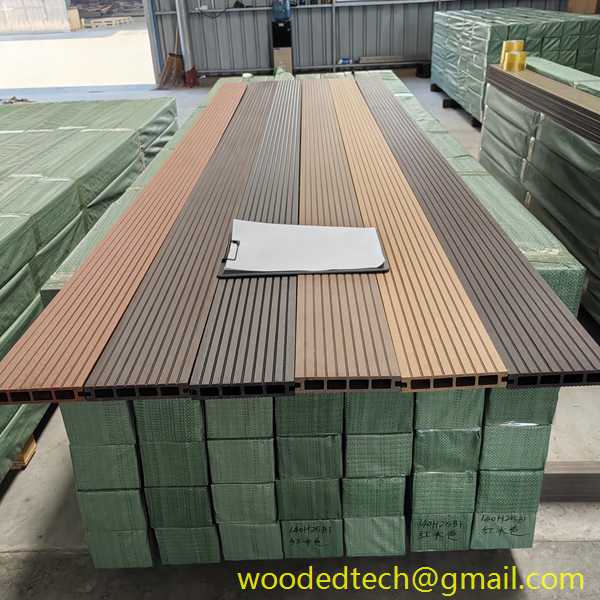
The design of the WPC profile is fundamental in achieving the right balance between strength and weight. Hollow structures, which are characterised by their internal voids, can reduce the amount of material required for production. This approach not only lessens the overall weight of the decking, making installation easier, but also contributes to cost savings during transportation and handling. Conversely, solid structures offer superior strength and resistance to impacts, making them ideal for high-traffic areas. By carefully considering the profile shape, we can enhance load-bearing capacity without unnecessarily increasing weight or material costs.
Rib Design for Enhanced Performance
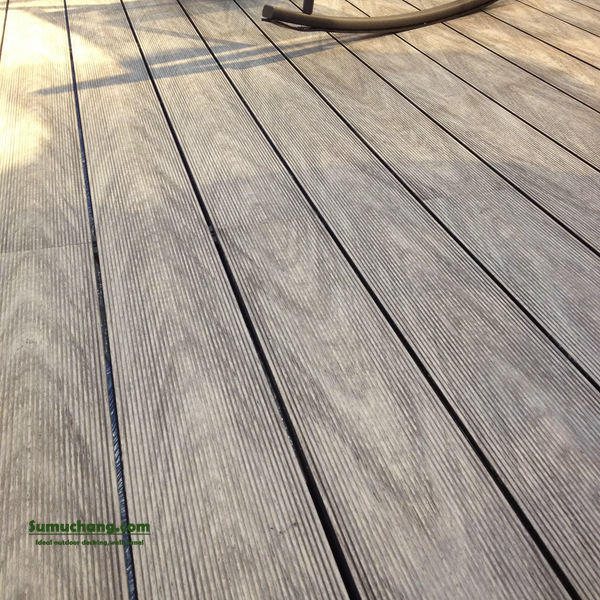
Rib designs play an essential role in reinforcing the structural performance of recycled composite decking. By incorporating ribs into the mould design, we create additional support that can help distribute loads more evenly across the surface. This feature not only improves the strength of the decking but can also mitigate the risk of warping or bending over time. Additionally, the depth and spacing of ribs can be optimised to ensure that the decking remains lightweight while still offering the necessary durability for various applications. Implementing innovative rib patterns can lead to enhanced performance while maintaining eco-friendliness.
Surface Patterns and Aesthetics
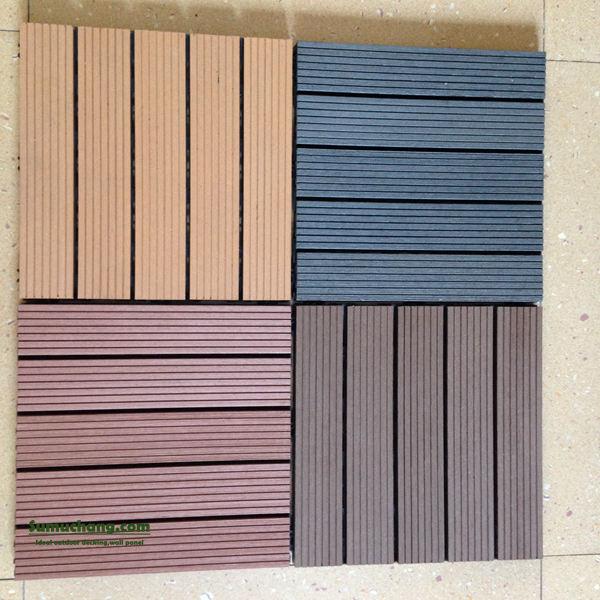
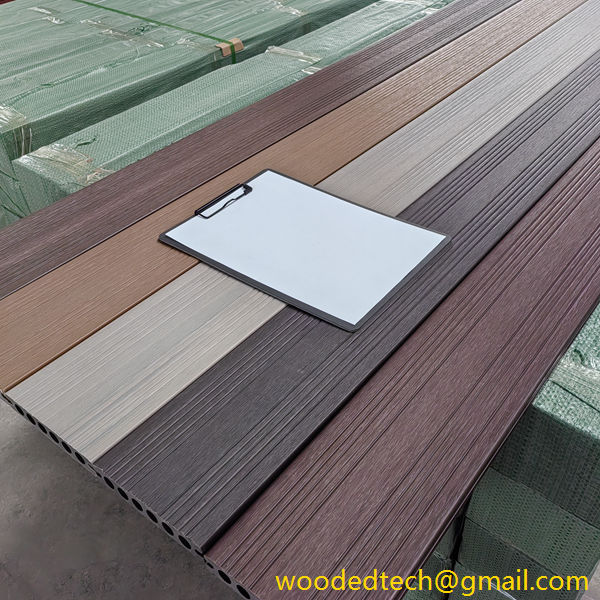
The surface patterns of recycled composite decking are not merely aesthetic choices; they also influence functionality and maintenance. Textured surfaces can provide better slip resistance, an important factor for outdoor installations where moisture may be present. Furthermore, various surface finishes can enhance the natural appearance of the decking, making it more appealing to consumers who desire the look of wood without the drawbacks associated with traditional timber. By incorporating sustainable materials into these surface treatments, we can further promote the benefits of recycled composite decking in an environmentally conscious manner.
Cost-Effectiveness Through Innovative Design
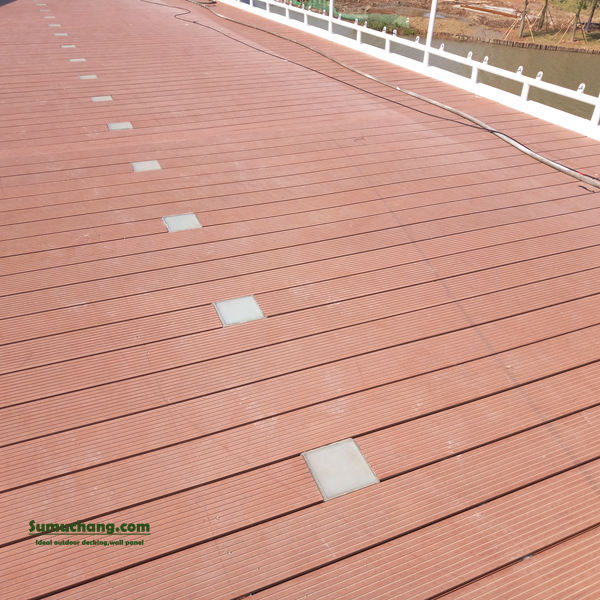
Cost is a critical consideration in any construction project, and the design of WPC decking can significantly influence overall expenses. Through thoughtful design choices, we can optimise material use, which directly impacts production costs. Hollow profiles, rib enhancements, and effective surface treatments all contribute to a reduction in raw material consumption. These strategies, combined with the longevity of recycled composite decking, result in a highly cost-effective solution for builders and homeowners alike. Additionally, by utilising recycled materials, we can reduce the environmental costs associated with new material extraction, creating a win-win situation for all stakeholders involved.
The Future of Sustainable Decking Solutions
As the demand for sustainable construction materials continues to grow, the future of recycled composite decking looks promising. Ongoing innovations in WPC extrusion technology are paving the way for even more efficient production methods and enhanced material properties. As an engineer in this field, I am excited about the potential to further refine our designs and processes to meet the evolving needs of the market. The integration of advanced materials and eco-friendly practices will ensure that recycled composite decking remains a top choice for environmentally conscious builders and architects.