 English
  Español
  Français
  Português
  Deutsch
  Italiano
  Русский
  العربية
  简体中文
简体中文  香港中文
香港中文  한국어
한국어  日本語
日本語  Türkçe
  Nederlands
  Bahasa Indonesia
 Benefits of WPC Wall Cladding Wood Composite
WPC wall cladding wood composite has emerged as a transformative material in the construction industry, particularly for exterior applications. This composite material combines the natural aesthetic of wood with the durability of plastic, providing an exceptional solution for those who seek both beauty and practicality in their building projects. The composition of WPC typically includes recycled wood fibres and high-density polyethylene, making it an eco-friendly choice that contributes to sustainability.
One of the primary advantages of WPC wall cladding is its significant reduction in wood consumption compared to traditional timber. As forests around the globe face increased pressure from logging and development, the use of recycled materials helps in conserving natural resources. By incorporating waste wood and plastic, WPC products effectively utilise materials that might otherwise contribute to landfill waste, promoting a circular economy and reducing environmental impact.

Durability and Longevity
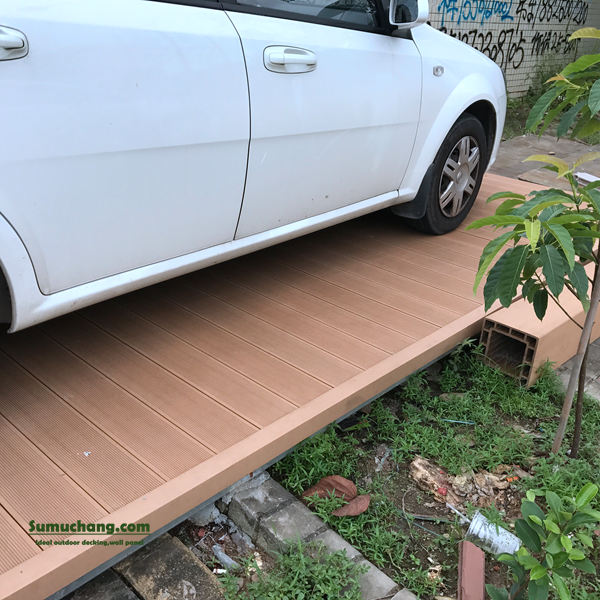
Another compelling reason to choose WPC wall cladding is its remarkable durability. Unlike traditional wood, WPC is resistant to rot, warping, and insect infestation, which can compromise the integrity of wooden structures over time. This makes it an ideal material for external applications, particularly in regions that experience harsh weather conditions. The longevity of WPC means that buildings can maintain their aesthetic appeal without the need for frequent replacements or repairs, ultimately saving time and resources.
Furthermore, WPC wall cladding is engineered to withstand the rigours of outdoor exposure. Its formulation is designed to resist fading from UV exposure and to endure extreme temperatures, ensuring that the surface remains vibrant and intact for years to come. Owners of properties clad with WPC can enjoy the beauty of wood without the constant upkeep required by traditional materials.
Low Maintenance Advantages
The low-maintenance characteristics of WPC wall cladding wood composite further enhance its appeal for property owners and builders alike. Unlike traditional timber, which often requires regular painting, sealing, or staining to preserve its appearance and protect it from the elements, WPC requires minimal upkeep. A simple wash with soap and water is usually sufficient to keep it looking fresh and clean.
This ease of maintenance not only reduces the overall cost of ownership but also saves valuable time for homeowners and property managers. With WPC wall cladding, the focus can shift from routine maintenance to enjoying the space created, enhancing the overall experience of both residential and commercial properties.
Environmental Impact and Sustainability
As a sustainable building materials specialist, it is crucial to highlight the environmental benefits of opting for WPC wall cladding. The reliance on recycled materials significantly lowers the demand for virgin wood, thereby preserving forests and biodiversity. This conscious choice aligns with the growing trend towards sustainable building practices and environmentally responsible construction.
Moreover, WPC wall cladding’s production process typically requires less energy compared to that of traditional wood products. This reduction in energy consumption translates into lower greenhouse gas emissions, making WPC a truly green alternative. When considering the total lifecycle of building materials, WPC stands out as a choice that supports both environmental stewardship and aesthetic goals.
Versatility and Design Options
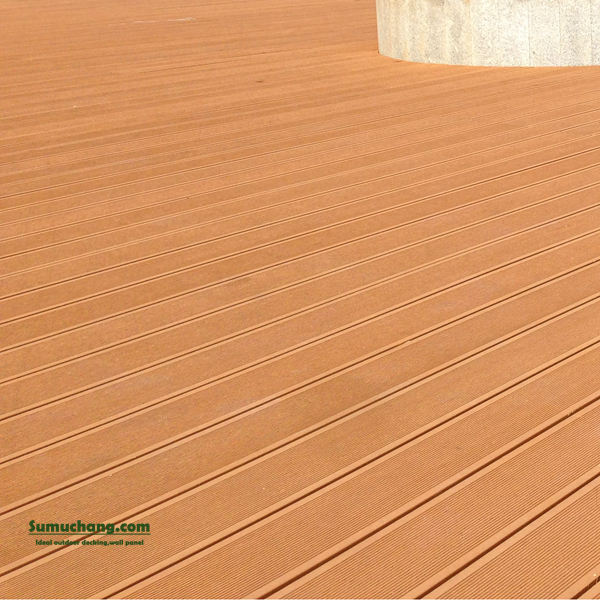
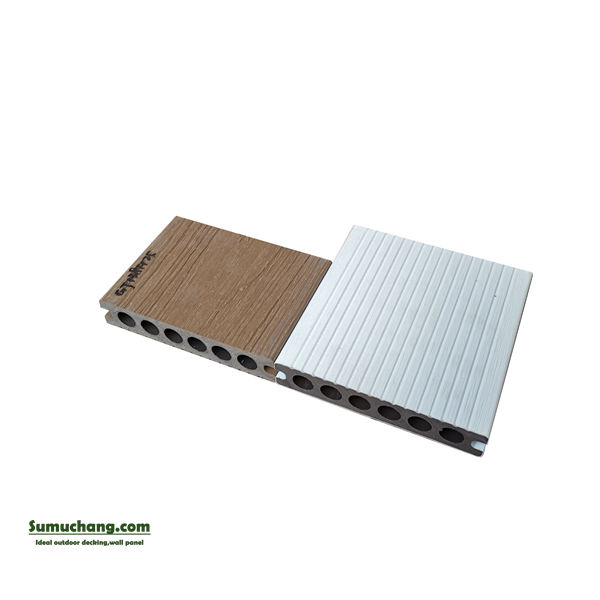
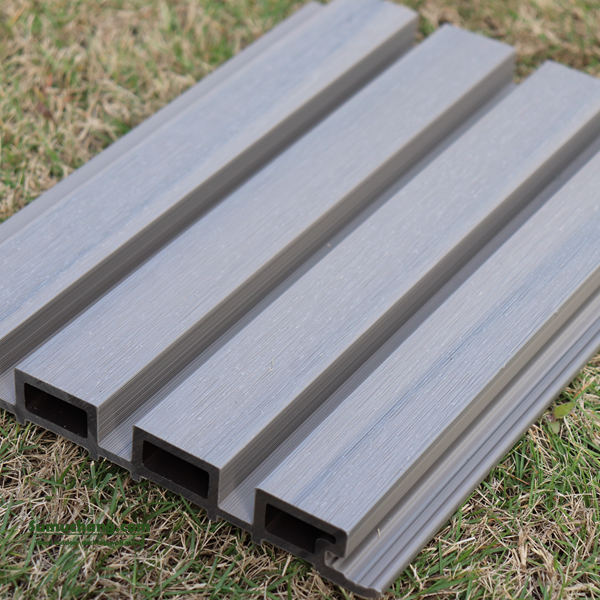
The versatility of WPC wall cladding wood composite is another reason for its increasing adoption in exterior applications. Available in a variety of colours, textures, and finishes, WPC can be tailored to match the design vision of any project. Whether a modern aesthetic or a more rustic look is desired, WPC can fulfil those requirements while still offering the benefits that come with composite materials.
This adaptability extends beyond aesthetics; WPC can be used in various architectural styles and settings, from residential homes to commercial buildings. As architects and designers continue to explore innovative materials, WPC wall cladding stands out not only for its practicality but also for its capacity to enhance the overall design narrative of a structure.