 English
  Español
  Français
  Português
  Deutsch
  Italiano
  Русский
  العربية
  简体中文
简体中文  香港中文
香港中文  한국어
한국어  日本語
日本語  Türkçe
  Nederlands
  Bahasa Indonesia
 how much is a composite deck for budget planning
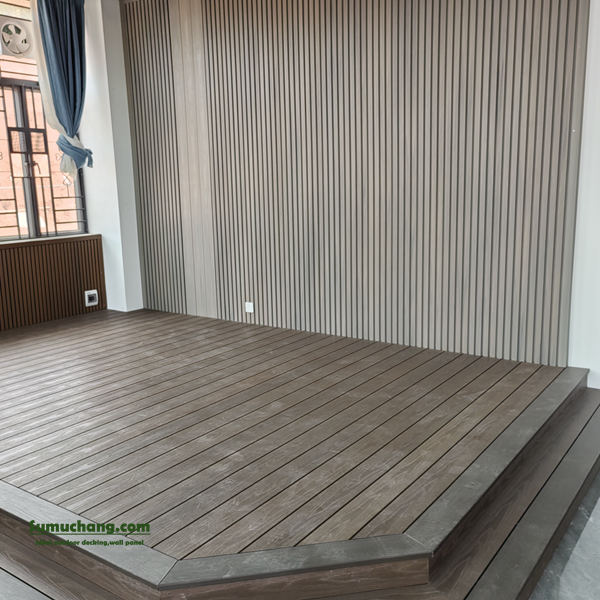
When planning a budget for a composite deck, several factors need to be considered, including the initial costs of materials, installation expenses, and ongoing maintenance. Composite decking has gained popularity due to its durability, low maintenance requirements, and aesthetic appeal. However, understanding the overall costs involved is crucial for effective budget planning.
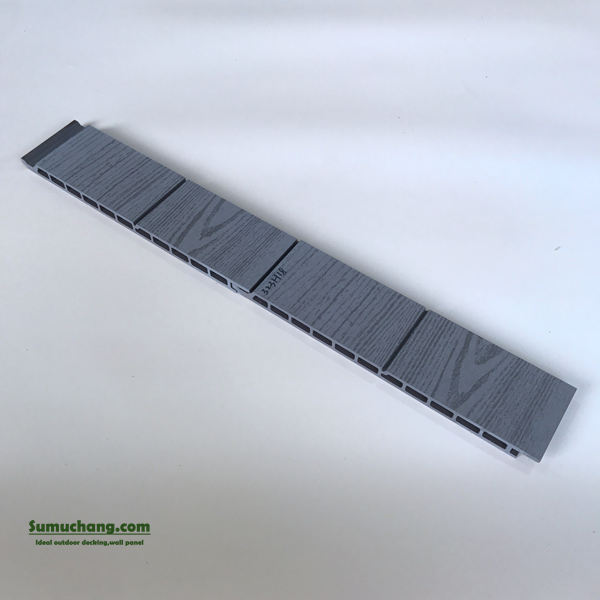
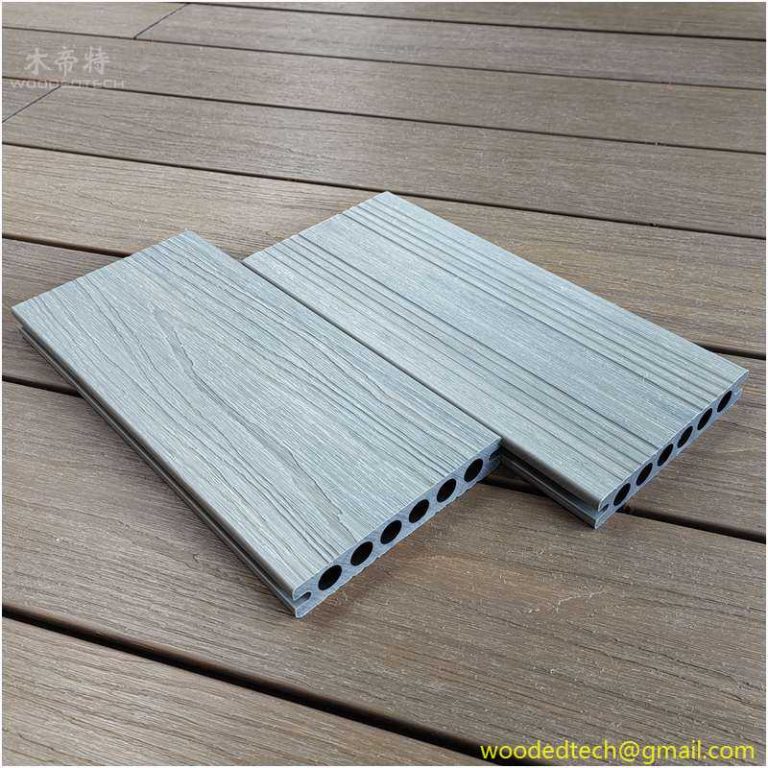
The first aspect to consider is the cost of the composite decking materials themselves. Composite decking boards are typically more expensive than traditional wood decking. The price per square foot can vary significantly based on the brand, quality, and design of the decking material. On average, homeowners can expect to pay between three to seven dollars per square foot for composite decking. Higher-end brands or specialized designs can push the cost up to ten dollars or more per square foot. Therefore, for a standard deck size of around 300 square feet, the material costs alone could range from nine hundred to three thousand dollars.

Installation is another critical component of the budget. While some homeowners may choose to install the decking themselves, many opt to hire professionals for a more polished and secure finish. The labor costs for installation can vary based on geographical location, the complexity of the deck design, and the experience of the contractor. On average, professional installation costs can range from four to twelve dollars per square foot, which could add an additional twelve hundred to three thousand six hundred dollars to the total cost for a 300 square foot deck. It is important to obtain multiple quotes from local contractors to ensure that you receive a fair price for installation.
In addition to initial material and installation costs, it is essential to consider the long-term maintenance expenses associated with composite decking. One of the primary benefits of composite materials is their resistance to common issues faced by traditional wood decks, such as rot, splintering, and insect damage. This durability translates into lower maintenance costs over time. Composite decks typically require minimal upkeep, often just periodic cleaning with soap and water to remove dirt and debris. Unlike wood decks, composite decks do not need to be stained or sealed regularly, which can save homeowners both time and money.
Even though composite decking is designed to last, it is still vital to account for potential repairs or replacements over the years. While composite materials are resistant to fading and warping, they can still experience wear and tear due to extreme weather conditions or heavy foot traffic. Homeowners should budget for occasional repairs, which might include replacing damaged boards or fixing loose fasteners. Setting aside a small fund for maintenance and repairs can help avoid unexpected financial burdens in the future.

Another factor to consider is the potential for added features, such as railings, lighting, and built-in seating. These enhancements can significantly improve the functionality and aesthetics of the deck but will also increase the overall budget. The cost of railings can range from twenty to fifty dollars per linear foot, depending on the material and design. Lighting options can also vary widely in price, from simple solar lights to more elaborate built-in lighting systems. Homeowners should carefully evaluate which features are essential for their deck and how they will affect the overall budget.
It is also wise to consider the return on investment when planning a budget for a composite deck. Composite decking can enhance the value of a home, making it more appealing to potential buyers. Many homeowners find that a well-constructed deck can recoup a significant portion of its cost upon selling the property. Therefore, investing in quality materials and professional installation can be seen not just as an expense but as a long-term investment in the home.
Lastly, it is advisable to research local building codes and regulations before beginning any deck construction project. Some municipalities may require permits for deck installation, which can add to the overall cost. Additionally, understanding local regulations can prevent any potential fines or issues during construction.
By considering all these factors, homeowners can create a realistic budget for their composite decking project. From initial material and installation costs to long-term maintenance and potential added features, taking a comprehensive approach will ensure that there are no surprises down the road. Proper planning and research can lead to a beautiful and functional outdoor space that enhances both enjoyment and property value.