 English
  Español
  Français
  Português
  Deutsch
  Italiano
  Русский
  العربية
  简体中文
简体中文  香港中文
香港中文  한국어
한국어  日本語
日本語  Türkçe
  Nederlands
  Bahasa Indonesia
 Formulating High-Performance Outdoor WPC Products
Creating wood plastic composites (WPC) for outdoor applications such as decking, wall cladding, and fencing requires a careful balance of various components. As a WPC formulation development engineer, I focus on optimising the blend of wood fibres and plastic resins to achieve desired mechanical properties and aesthetics. The formulation must not only enhance product durability but also consider factors such as moisture resistance, UV stability, and colour retention.
The inclusion of additives plays a critical role in enhancing the performance of composite deck stain. These additives can improve characteristics such as fire resistance, antifungal properties, and colour consistency. Selecting the right combination of additives is vital for producing a high-quality product that meets both functional and aesthetic needs. Each component must be precisely measured to ensure the final product achieves optimal performance without escalating costs unnecessarily.
Balancing Wood Fibre Content and Plastic Ratios
The proportion of wood fibre to plastic in WPC formulations significantly affects the mechanical properties of the final product. Higher wood content often results in a more natural appearance and improved thermal performance. However, too much wood can lead to issues with moisture absorption, which may compromise the integrity of the product over time. Conversely, increasing the plastic ratio might enhance durability and resistance to weather conditions, but it can also detract from the natural look and feel that many consumers desire.
Finding the right balance is essential; typically, formulations with a wood fibre content of 50-70% are common in decking applications. This range allows manufacturers to take advantage of the aesthetic qualities of wood while achieving the strength and resilience necessary for outdoor environments. The challenge lies in maintaining these ratios while also considering the economic implications of raw material costs.
Additives and Cost Control Strategies
Incorporating additives can enhance the properties of WPC products, but it’s crucial to do so without inflating production costs. One effective strategy is to utilise bio-based additives, which can improve sustainability without significantly impacting the budget. Additionally, focusing on regional sourcing of raw materials can reduce shipping expenses and support local economies.
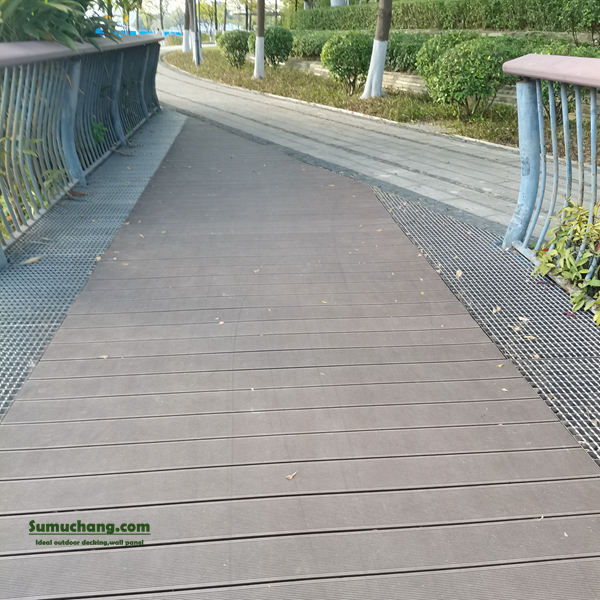
Another approach is to conduct thorough testing of various formulations to identify the most effective combinations of materials and additives. By investing in research and development, manufacturers can save costs in the long run by reducing waste and optimising production processes. For example, trial formulations that use recycled plastics or reclaimed wood fibres can not only lower material costs but also appeal to environmentally conscious consumers.
Enhancing Product Lifespan and Performance
To ensure that outdoor WPC products like decking withstand the rigours of environmental exposure, enhancing the product’s lifespan is paramount. This can be achieved through advanced surface treatments and finishes, including specially formulated composite deck stains. These protective layers not only improve the aesthetic appeal of the product but also provide an additional barrier against moisture and UV damage.
It’s important to consider the longevity of the composite deck stain itself. Selecting high-quality pigments and stabilisers that resist fading and degradation is essential. The application process should also be finely tuned to ensure a uniform coat that adheres well to the composite surface. Conducting field tests under various climatic conditions can provide valuable insights into the performance of the product over time, allowing for adjustments to be made in future formulations.
Market Trends in WPC Products
The demand for sustainable building materials has surged, reflecting a shift in consumer preferences towards environmentally friendly products. WPC manufacturers must stay ahead of this trend by developing formulations that not only meet performance standards but are also perceived as sustainable. This includes using recycled materials, promoting recyclable end-products, and ensuring that manufacturing processes are environmentally responsible.
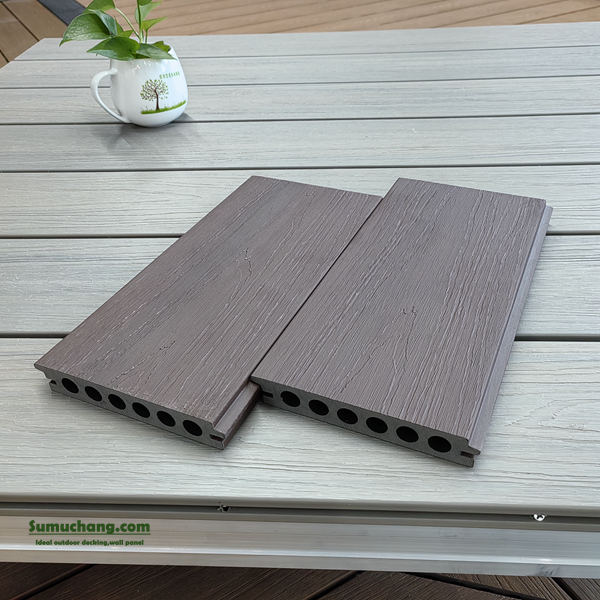
As market preferences evolve, so too must the formulations that underpin these innovative products. Engaging with designers and architects who specify WPC products in their projects can provide insights into emerging trends and consumer expectations. By staying connected with the market, WPC formulation engineers can continually refine their approaches to meet the needs of both consumers and the environment.