 English
  Español
  Français
  Português
  Deutsch
  Italiano
  Русский
  العربية
  简体中文
简体中文  香港中文
香港中文  한국어
한국어  日本語
日本語  Türkçe
  Nederlands
  Bahasa Indonesia
 The Importance of Quality Materials in Composite Deck Footings
In the construction of outdoor composite decking, the choice of materials significantly influences the safety and longevity of deck footings. Wood-plastic composites (WPC) are a combination of wood powder and polymers such as HDPE or PVC. These materials must be selected meticulously to ensure that they can withstand various environmental conditions while maintaining structural integrity. A high-quality wood powder, for instance, serves as a filler that adds bulk and strength to the composite. It is essential to use finely milled, consistent wood powder to ensure uniformity and optimal performance in the finished product.
Moreover, the types of polymers chosen can drastically affect the durability and weather resistance of the composite deck footings. HDPE is known for its excellent impact resistance and moisture tolerance, while PVC offers enhanced weatherability and UV resistance. The right polymer selection can prevent warping, cracking, and other forms of degradation that can compromise the safety of the deck structure over time.
Additives and Their Role in Composite Deck Footings
Additives play a vital role in enhancing the performance and functionalities of composite deck footings. These include stabilisers, anti-UV agents, and colourants that improve both appearance and durability. Stabilisers help maintain the physical properties of the composite, ensuring that it does not degrade when exposed to extreme weather conditions, while anti-UV agents protect against sun-induced discolouration and brittleness. The right additives can significantly prolong the lifespan of WPC products and ensure they remain aesthetically appealing. As a raw material quality control engineer, I cannot overstate the importance of rigorous testing and inspection of these additives before production. They should meet industry standards and be compatible with the base materials to ensure a homogenous blend.
Factory Inspection Methods for WPC Materials
Additionally, chemical analysis can determine the purity and composition of polymers and additives. This is particularly important for ensuring that the materials conform to safety regulations and industry standards. Regular audits of suppliers and their materials are essential in maintaining high quality throughout the production chain.
Quality Standards in Composite Decking Production
Adhering to quality standards is vital for ensuring the safety and longevity of composite deck footings. Various certifications, such as ASTM and ISO standards, set benchmarks for performance, safety, and environmental impact. For instance, composite decking products should meet specific load-bearing standards to ensure they can adequately support weight without compromising structural integrity. These standards not only provide guidelines for material selection but also for testing methods during the manufacturing process.

It is essential that every batch of composite material undergoes thorough testing to verify its compliance with these standards. Employing a robust quality assurance program leads to the consistent production of reliable and durable composite deck footings, which is crucial for end-user satisfaction and safety.
The Impact of Weather Resistance on Safety
Weather resistance is a critical factor in the structural performance of composite deck footings. The materials used in the composite formulation should exhibit high resistance to moisture and UV light. WPC products that are engineered with superior weather-resistant properties are less likely to suffer from swelling, shrinking, or fading over time, which could pose safety risks. Insufficiently protected deck footings can lead to instability, increasing the risk of accidents.
A thorough understanding of the environmental conditions where the composite decking will be installed is necessary to determine the appropriate material composition. For outdoor applications, enhanced weather resistance is non-negotiable. This is why the role of a raw material quality control engineer is crucial; ensuring that the products not only meet aesthetic and functional needs but also adhere to stringent safety standards.
Continuous Improvement in WPC Production
The field of wood-plastic composites is constantly evolving, with new technologies and formulations emerging. Continuous improvement in production processes is essential to adapt to these changes and ensure that composite deck footings remain safe and reliable. Ongoing research into better materials, enhanced processing techniques, and advanced testing methods contributes to higher quality standards across the industry.
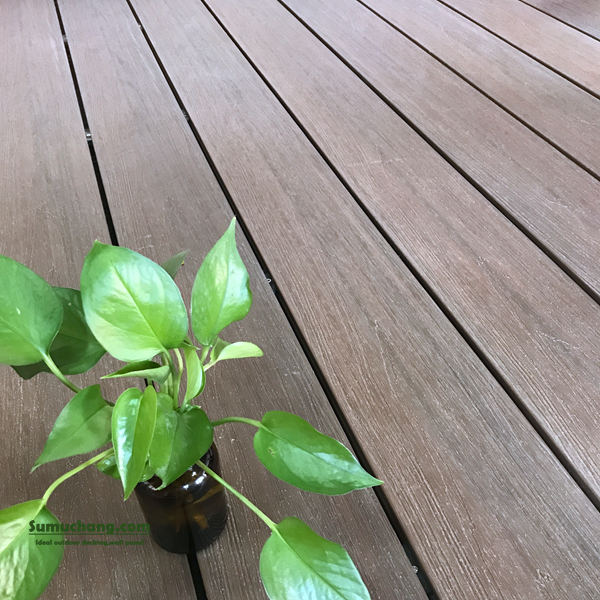
In Guangdong, where many WPC factories are located, collaboration with research institutions and industry experts is becoming increasingly vital. This partnership facilitates the sharing of knowledge and innovations that can lead to the development of superior composite materials, ensuring that deck footings not only meet but exceed safety expectations for years to come.