 English
  Español
  Français
  Português
  Deutsch
  Italiano
  Русский
  العربية
  简体中文
简体中文  香港中文
香港中文  한국어
한국어  日本語
日本語  Türkçe
  Nederlands
  Bahasa Indonesia
 how to cut composite deck boards for tailored solutions
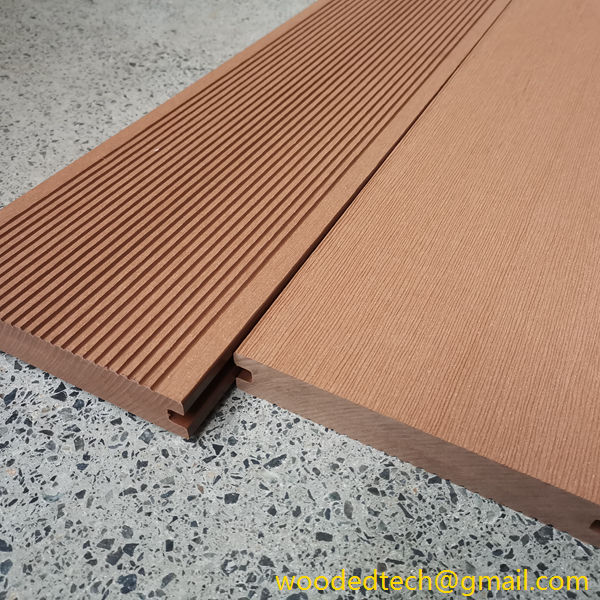
Cutting composite deck boards to achieve tailored solutions requires a thorough understanding of both the materials involved and the appropriate techniques for working with them. Composite decking is made from a blend of wood fibers and plastic, which gives it durability and resistance to moisture, insects, and fading. However, the unique composition of these boards means that cutting them requires special considerations to ensure a clean finish and to maintain their structural integrity.

Before beginning the cutting process, it is essential to gather the necessary tools and materials. A miter saw or circular saw equipped with a fine-toothed blade designed for cutting composite materials is recommended. Using the correct blade is crucial, as a blade not suited for composite materials can lead to chipping or splintering, which would compromise the aesthetic quality of the deck boards. Additionally, a straight edge or guide can help achieve precise cuts, while clamps can secure the boards in place to prevent movement during cutting.
Preparation of the workspace is also critical. Working in a well-ventilated area is important, especially if using power tools that generate dust. Protective gear, including safety goggles and a dust mask, should be worn to safeguard against debris. It is also advisable to have a clean, flat surface to support the boards during the cutting process, as this will help maintain accuracy and prevent any damage to the boards.

When cutting composite deck boards, measuring accurately is vital. Taking precise measurements ensures that the boards fit perfectly in their intended spaces, whether it is for a custom design or to fit around existing structures. Marking the cut line with a pencil or chalk will provide a clear guide when making the cut. It is advisable to double-check measurements before cutting to avoid any costly mistakes.
Once the boards are marked, the actual cutting process can begin. For straight cuts, a miter saw is ideal, as it allows for quick and accurate cuts. When using a circular saw, it is important to set the depth of the blade to just slightly deeper than the thickness of the board. This adjustment helps minimize the risk of chipping while providing a clean cut. Slow and steady cutting is recommended to avoid overheating the material, which can lead to melting or deformation.
For angled cuts, a miter saw can also be adjusted to the desired angle, providing versatility for various deck designs. It is essential to hold the board securely and ensure that it does not move during the cutting process. If the cut requires multiple angles or intricate shapes, using a jigsaw may be more appropriate, although care should be taken to use a fine-toothed blade to prevent rough edges.
After making the cuts, inspecting the edges is necessary. Any rough or uneven edges can be smoothed using a fine-grit sandpaper or a sanding block. This step is crucial not only for aesthetic purposes but also to ensure that there are no sharp edges that could pose a safety hazard. Proper finishing of the edges can enhance the overall appearance of the deck and ensure that it blends seamlessly with other components.
In some cases, composite deck boards may need to be installed with hidden fasteners or clips, which require specific cuts to create grooves. Following the manufacturer’s instructions for these cuts is essential to avoid damaging the boards and to ensure proper installation. When working with hidden fasteners, aligning the cuts accurately will contribute to a more professional-looking finish.
When cutting composite deck boards for tailored solutions, it is also important to consider the expansion and contraction of the material due to temperature changes. Allowing for gaps between boards and accounting for these changes in your design can prevent warping or buckling over time. This foresight can be achieved by leaving appropriate spacing at the ends of the boards and ensuring that any cuts made do not inhibit this natural movement.
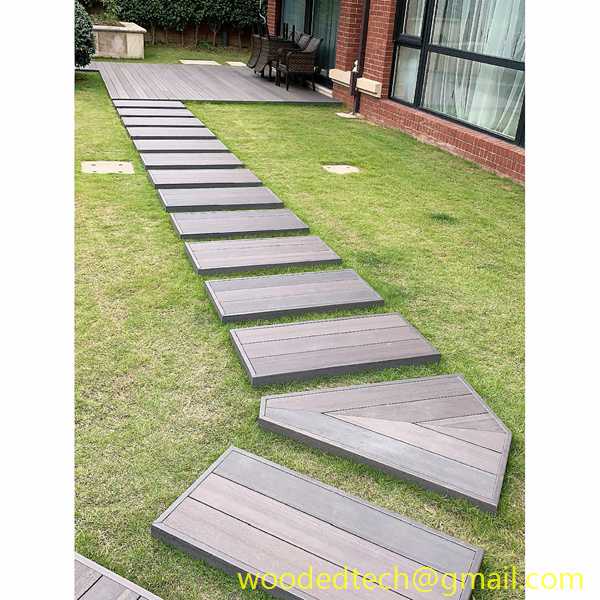
Ultimately, cutting composite deck boards for tailored solutions is a process that requires precision, the right tools, and careful planning. By preparing adequately and employing the correct techniques, it is possible to create a deck that not only meets specific design needs but also maintains the performance qualities that composite materials offer. Following these guidelines will help ensure that the final product is both functional and visually appealing, providing a durable outdoor space for years to come.