 English
  Español
  Français
  Português
  Deutsch
  Italiano
  Русский
  العربية
  简体中文
简体中文  香港中文
香港中文  한국어
한국어  日本語
日本語  Türkçe
  Nederlands
  Bahasa Indonesia
 Preparing the Subframe for Composite Decking
To achieve a durable and long-lasting installation of affordable composite decking, the initial step involves creating a robust subframe. The subframe typically consists of treated timber or metal joists that provide support and stability. Begin by assessing the area where the decking will be installed, ensuring it is free from debris and level. If the surface is uneven, consider grading the area before moving forward. For timber joists, spacing them approximately 400mm apart ensures adequate support. When using metal joists, secure them firmly to the ground or existing structures as per the manufacturer’s specifications. This foundational work is vital, as it directly influences the decking’s performance over time.
After securing the joists, double-check their alignment with a level. It is essential to ensure that there are no dips or high spots, which could lead to water pooling or uneven wear on the decking. Once satisfied with the alignment, fasten the joists securely using appropriate screws for the material being used. A well-prepared subframe lays the groundwork for effective drainage and a stable composite decking surface.

Fixing Methods for Composite Decking
When it comes to fixing the affordable composite decking boards to the subframe, there are two primary methods: hidden fasteners and surface screws. Hidden fastening systems offer a clean aesthetic and prevent visible fasteners on the surface. These systems work by attaching clips to the joists with screws, which then secure the decking boards in place without visible hardware. This method is particularly appealing for homeowners who prefer a sleek, uninterrupted surface.
On the other hand, surface screws are a straightforward approach, allowing for easy installation and replacement. When using this method, pre-drill holes into the decking boards to prevent splitting, especially if the boards are made from a dense composite material. Whichever method you choose, ensure that the fasteners are corrosion-resistant to withstand the elements, as this contributes to the longevity of the decking.
Accounting for Expansion Gaps
One critical aspect often overlooked in the installation of composite decking is the need for expansion gaps. Composite materials can expand and contract with temperature changes, so leaving adequate space between boards is essential to prevent warping or buckling. A general guideline is to leave a gap of around 5mm between each board and at the edges where they meet walls or other structures. Use spacer tools during installation to maintain these gaps consistently.
Additionally, ensure that the gaps are also present at the ends of the decking boards. This not only allows for expansion but also promotes proper drainage, reducing the risk of moisture retention, which can lead to rot or mould over time. Being diligent about gaps during the installation helps maintain the integrity of your composite decking long after the project is complete.
Cutting Composite Decking Boards
When it comes to cutting the composite decking boards, precision is key. Use a fine-tooth saw or a circular saw fitted with a blade designed for composite materials. This ensures clean cuts without splintering the edges. Before cutting, measure twice and mark the boards clearly to avoid mistakes. Accurate cuts not only enhance the appearance of the decking but also ensure a better fit and maintain structural integrity.
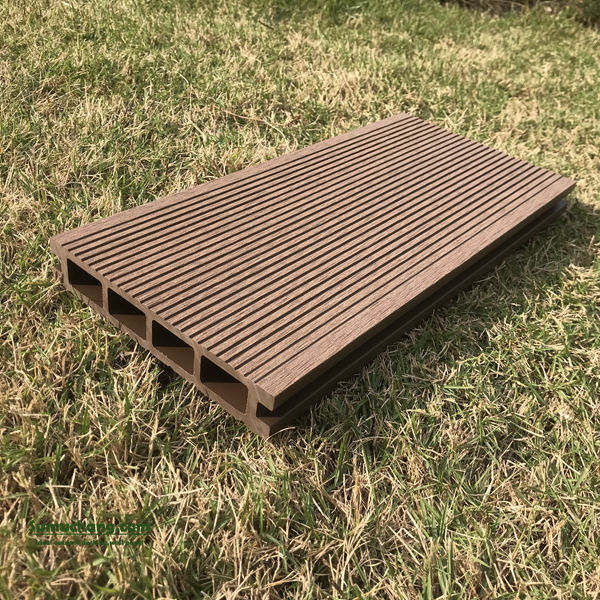
For intricate designs or unique layouts, it may be necessary to create angled cuts or notches. In these cases, a jigsaw can be particularly useful. Always wear protective eyewear and a mask while cutting to safeguard against dust and debris. After cutting, smooth any rough edges with sandpaper to prevent snagging or injury during installation and use.
Maintenance Tips for Longevity
Once your composite decking is installed, proper maintenance will ensure it remains an attractive and functional feature for years. Regular cleaning is essential; use a soft-bristle broom or a pressure washer set to a low pressure to remove dirt and debris. Avoid harsh chemicals, as they can damage the composite material. Instead, a mixture of warm soapy water is often sufficient for routine cleaning.
Inspect the decking periodically for signs of wear or damage, especially around the fasteners. If you notice any loose boards or screws, address them promptly to prevent further issues. Additionally, consider applying a protective sealant designed for composite materials every few years to enhance their durability and resistance to stains and UV damage. By following these maintenance tips, you can keep your affordable composite decking looking its best while extending its lifespan.