 English
  Español
  Français
  Português
  Deutsch
  Italiano
  Русский
  العربية
  简体中文
简体中文  香港中文
香港中文  한국어
한국어  日本語
日本語  Türkçe
  Nederlands
  Bahasa Indonesia
 WPC Profile Designs and Their Impact
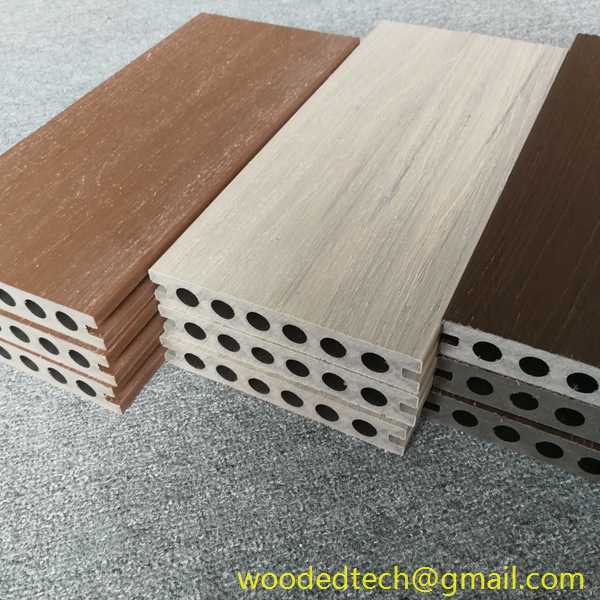
Composite decking has evolved significantly over the years, and restoring old composite decking often hinges on understanding the fundamental aspects of WPC (Wood Plastic Composite) profile designs. A well-designed profile can enhance the longevity and performance of the decking. When it comes to profile shapes, a hollow structure is generally lighter and can be more cost-effective than a solid structure. However, solid profiles typically provide greater strength and stability, especially in high-traffic areas or under heavy loads. These design considerations are crucial for engineers looking to restore older decking to ensure it not only looks good but also performs well under everyday conditions.
Rib designs also play an essential role in the structural integrity of composite decking. Integrating ribs within the profile can significantly increase strength without adding substantial weight. For restoration projects, reinforcing older boards with internal ribs can offer a modern solution to enhance performance. This technique not only improves load-bearing capacity but can also reduce the amount of material needed, which contributes to overall cost savings.
Surface Patterns and Aesthetics
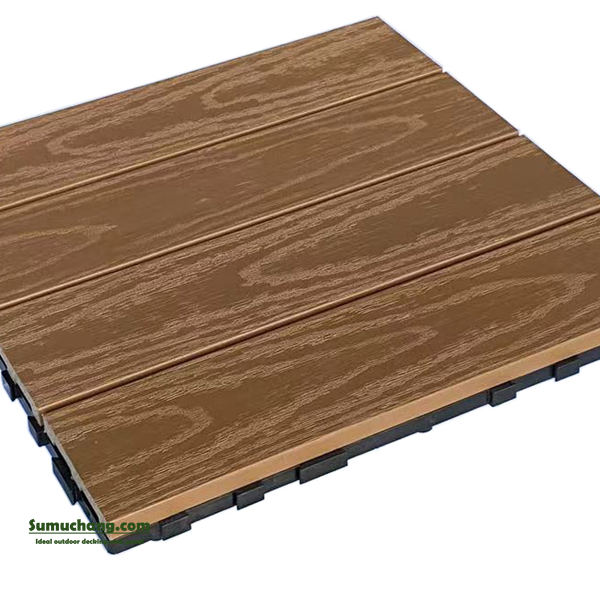
The surface pattern of composite decking boards is another critical consideration, particularly for restoration efforts. Various surface textures can influence slip resistance, stain resistance, and overall aesthetic appeal. A patterned finish can hide scratches and wear better than a smooth surface, making it an excellent choice for older boards showing signs of age. Restoration often involves applying a new surface treatment or coating that mimics modern textures, thus providing a fresh, updated look while enhancing durability.
Moreover, the choice of surface pattern can affect the installation performance. Patterns that facilitate water runoff can prevent moisture buildup, reducing the risk of mould and mildew, common issues in older decking. Therefore, selecting the right surface pattern not only takes aesthetics into account but also plays a vital role in maintaining the functional aspects of composite decking.
Weight Considerations in Restoration
Weight is a pivotal factor in the installation of composite decking. Lighter boards can be more manageable during installation, especially when working with older structures that may not support heavy loads. This is particularly relevant in restoration scenarios where existing support systems may be compromised. Engineers must carefully evaluate the weight implications of any new materials or treatments used in restoring old composite decking. A lighter solution could simplify the process while still ensuring the decking retains its necessary strength and performance characteristics.
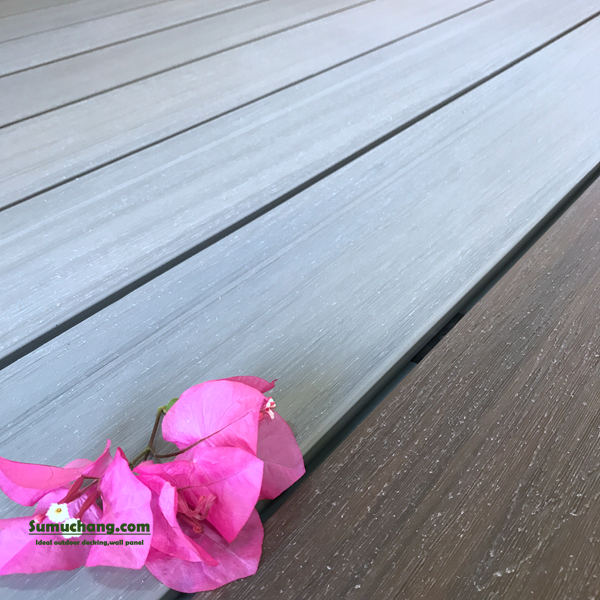
The introduction of hollow profiles has revolutionised weight considerations, making it easier to handle and install decking. However, while lighter materials can be advantageous, one must balance this with the strength requirements of the application. Restorative measures may involve a combination of solid and hollow profiles to achieve an optimal balance of weight and durability.
Cost Efficiency in Decking Restoration
Cost is always a significant factor when restoring old composite decking. While the initial investment in high-quality materials may be higher, the long-term benefits often outweigh these expenses. Engineers must consider the lifecycle costs associated with decking materials, including maintenance, replacement, and potential repairs. A well-designed WPC profile can reduce maintenance needs, as more durable materials are less likely to warp, stain, or fade over time.
In restoration projects, investing in advanced engineering designs can lead to more significant cost savings in the long run. For instance, utilising advanced ribbing techniques not only enhances strength but also reduces material waste, contributing to a more economical solution. Additionally, the choice of surface patterns that require less frequent cleaning can lower maintenance costs, making the overall project more appealing from a financial standpoint.
Environmental Considerations in WPC Design
Restorative efforts must also take into account environmental sustainability, particularly with composite decking which involves the use of recycled materials. Selecting WPC profiles that are made from post-consumer content can greatly enhance the environmental footprint of a restoration project. Furthermore, choosing materials that are recyclable or that utilise sustainable manufacturing processes aligns well with contemporary consumer values.
As we move towards greener practices, engineers should consider how the design of composite decking can support sustainability efforts. For instance, integrating eco-friendly treatments or coatings can minimise harmful emissions during installation. By prioritising these considerations, professionals can ensure that the restoration of old composite decking not only revitalises the space but also contributes positively to the environment.