 Bahasa Indonesia
  English
  Español
  Français
  Português
  Deutsch
  Italiano
  Русский
  العربية
  简体中文
简体中文  香港中文
香港中文  한국어
한국어  日本語
日本語  Türkçe
  Nederlands
 Dimensi Lantai WPC Standar untuk Aplikasi Dek Luar Ruangan
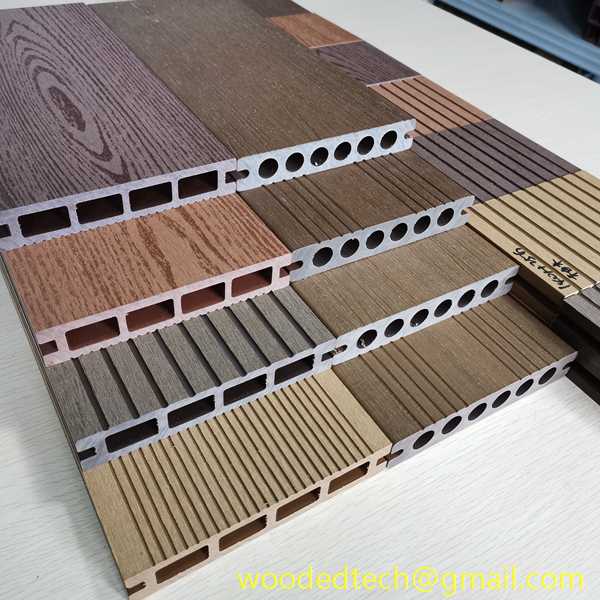
Lantai komposit plastik kayu (WPC) dengan cepat mendapatkan popularitas di ruang luar, terutama untuk aplikasi penghiasan.Dengan perpaduan serat kayu dan plastik, WPC menawarkan serangkaian manfaat unik di atas kayu tradisional.Salah satu pertimbangan pertama ketika memilih lantai WPC adalah dimensinya.Ukuran standar biasanya mencakup lebar 120mm hingga 150mm, dengan panjang mulai dari 2.4m hingga 4.8m.Fleksibilitas ini memungkinkan berbagai kemungkinan desain, mengakomodasi persyaratan proyek yang berbeda dan preferensi estetika.
Ketika datang ke ketebalan, papan WPC umumnya berukuran antara 20mm dan 30mm.Ketebalan ini tidak hanya memastikan daya tahan tetapi juga berkontribusi pada stabilitas keseluruhan dek.Dengan dimensi dan spesifikasi yang tepat, lantai WPC dapat memberikan solusi yang indah dan fungsional untuk kebutuhan penghiasan luar ruangan.
Membandingkan Capped WPC ke Kayu Alami
Capp WPC direkayasa dengan lapisan perlindungan ekstra, meningkatkan kinerjanya dibandingkan dengan kayu alami.Salah satu keuntungan yang paling signifikan adalah kebutuhan perawatannya yang rendah.Tidak seperti kayu, yang menuntut pewarnaan dan penyegelan secara teratur untuk mencegah kerusakan, WPC yang dibatasi hanya perlu sesekali membersihkan untuk mempertahankan penampilannya.Perbedaan dalam pemeliharaan ini diterjemahkan menjadi penghematan yang cukup dari waktu ke waktu, karena pemilik rumah dan manajer proyek dapat menginvestasikan sumber daya mereka di tempat lain.
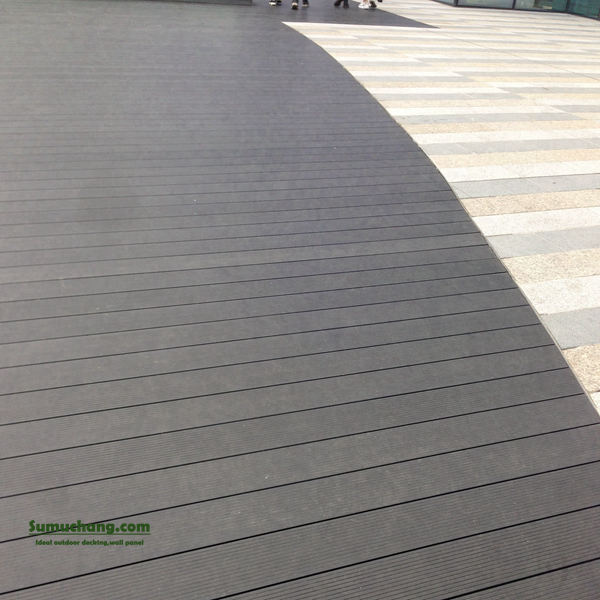
Kayu alami rentan terhadap berbagai masalah, termasuk serampangan dan warping, terutama di iklim yang berfluktuasi.Capped WPC, di sisi lain, tahan terhadap masalah ini, memberikan permukaan yang konsisten yang tidak pecah.Fitur ini sangat bermanfaat bagi keluarga dengan anak-anak atau hewan peliharaan yang mungkin menghabiskan waktu di dek.Struktur yang direkayasa dari WPC memastikan bahwa ia dapat menahan elemen tanpa mengorbankan keamanan atau estetika.
Umur dan Daya Tahan Lantai WPC
Umur panjang lantai WPC secara signifikan mengalahkan kayu tradisional.Sementara kayu alami biasanya berlangsung sekitar 10 hingga 15 tahun dengan perawatan yang tepat, produk WPC yang dibatasi dapat bertahan hingga 25 tahun atau lebih.Umur yang mengesankan ini dikaitkan dengan ketahanan WPC terhadap kelembaban, hama, dan sinar UV.Seiring waktu, nilai investasi di WPC menjadi jelas, karena kebutuhan untuk penggantian dan pemeliharaan yang luas berkurang.
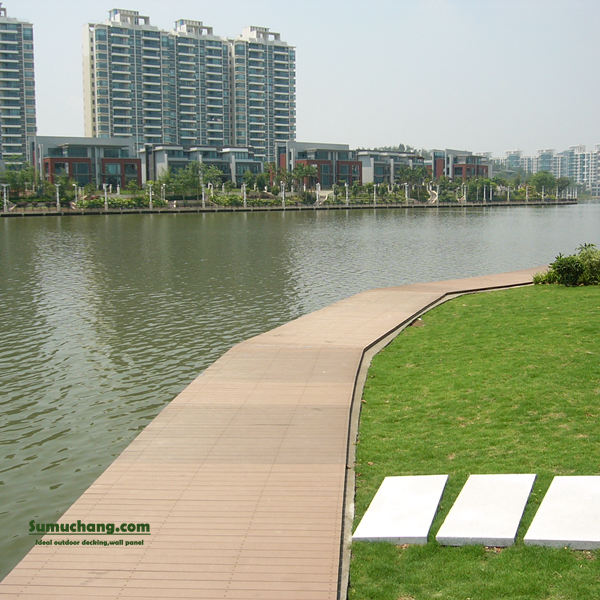
Daya tahan ini sangat menguntungkan dalam proyek-proyek komersial di mana dek mengalami lalu lintas pejalan kaki yang tinggi.Dengan WPC, bisnis dapat mengandalkan permukaan yang mempertahankan integritas dan daya tariknya, memastikan bahwa area luar ruangan mereka tetap mengundang bagi pelanggan dan pelanggan.Daya tahan jangka panjang WPC diterjemahkan menjadi pengurangan biaya dan peningkatan kepuasan.
Mengatasi Kekhawatiran Umum: Percikan dan Warping
Splintering adalah masalah umum bagi banyak orang ketika memilih bahan lantai luar ruangan.Kayu tradisional dapat mengembangkan serpih dari waktu ke waktu, menimbulkan bahaya keamanan, terutama untuk kaki telanjang.Capped WPC menghilangkan kekhawatiran ini, karena lapisan pelindungnya memastikan permukaan halus yang tetap aman untuk semua pengguna.Aspek lantai WPC ini tidak hanya berkontribusi pada pengalaman luar ruangan yang bebas khawatir tetapi juga meningkatkan daya tariknya untuk instalasi perumahan dan komersial.
Warping adalah masalah lain yang banyak ditemui dengan kayu alami.Perubahan kelembaban dan suhu dapat menyebabkan kayu melengkung, menghasilkan permukaan yang tidak rata yang tidak nyata yang tidak nyata dan tidak aman.Capped WPC direkayasa untuk melawan warping, menjadikannya pilihan ideal untuk daerah yang tunduk pada fluktuasi lingkungan.Dengan memilih lantai WPC, pembeli dapat yakin bahwa mereka memilih bahan yang dirancang untuk menahan tantangan hidup di luar ruangan.
Nilai Total Sejati WPC Seiring Waktu
Karena proyek dievaluasi dengan hati-hati, penting untuk mempertimbangkan nilai total bahan yang digunakan, bukan hanya biaya awal.Lantai WPC yang dibatasi dapat menghadirkan investasi dimuka yang lebih tinggi dibandingkan dengan kayu tradisional, tetapi umur panjang, kebutuhan perawatan yang rendah, dan ketahanan terhadap masalah umum seperti serpisan dan warping menjadikannya pilihan yang hemat biaya dari waktu ke waktu.Karena membutuhkan penggantian yang lebih jarang dan pemeliharaan minimal, penghematan keseluruhan terakumulasi secara signifikan.
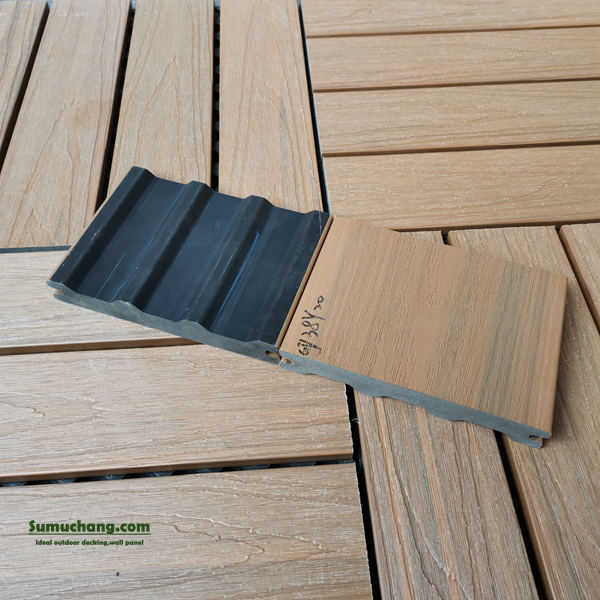
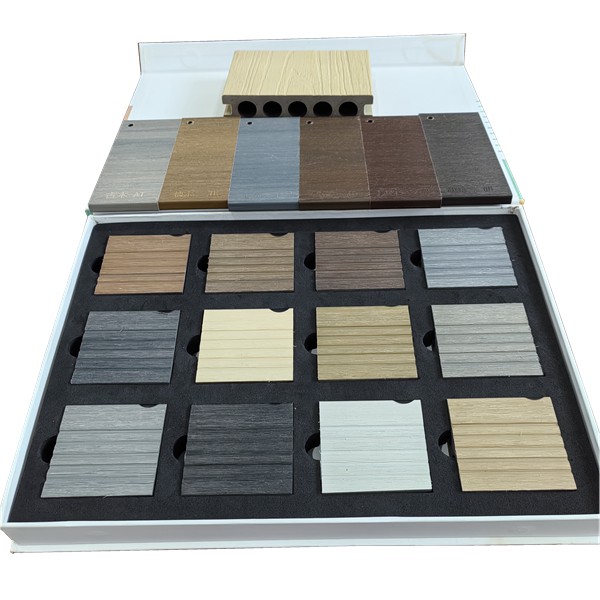
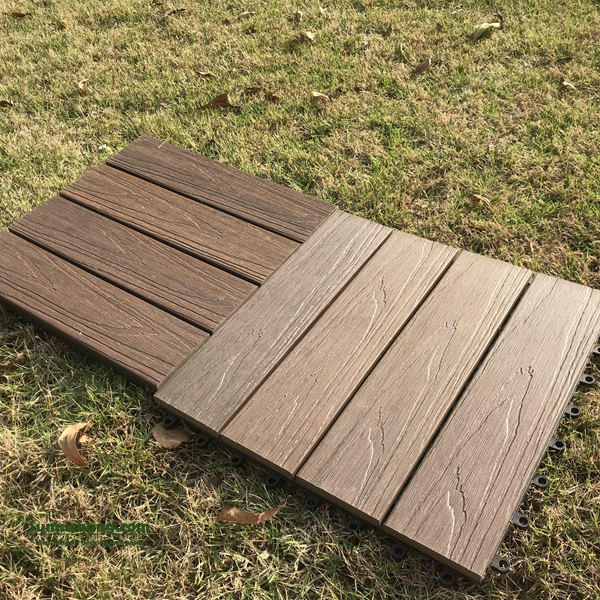
Selain itu, daya tarik estetika WPC tidak boleh diabaikan.Dengan berbagai warna dan selesai tersedia, dapat meniru tampilan kayu alami sambil memberikan kinerja yang unggul.Kombinasi keindahan dan kepraktisan ini membuat lantai WPC menjadi pilihan yang luar biasa untuk pembeli yang cerdas yang menghargai kualitas dan investasi jangka panjang.