 English
  Español
  Français
  Português
  Deutsch
  Italiano
  Русский
  العربية
  简体中文
简体中文  香港中文
香港中文  한국어
한국어  日本語
日本語  Türkçe
  Nederlands
  Bahasa Indonesia
 installing wpc wall cladding for beautiful interiors
Installing wood-plastic composite wall cladding has gained popularity in recent years as a beautiful and practical solution for enhancing interior spaces. This innovative material combines the natural aesthetic appeal of wood with the durability and low maintenance characteristics of plastic, making it an ideal choice for both residential and commercial applications. The production process of WPC, or wood-plastic composite, is critical in influencing its performance, durability, and overall appearance.
The manufacturing of WPC wall cladding involves a meticulous process that begins with the selection of raw materials. Typically, wood fibers and thermoplastic resins are the primary components of WPC. The wood fibers are sourced from recycled wood products, which not only makes the material environmentally friendly but also contributes to its unique texture and appearance. The plastic component, often polyethylene or polypropylene, binds the wood fibers together and provides structural integrity.
Once the raw materials are selected, they undergo a process known as compounding. During compounding, the wood fibers and plastic resins are blended together with additives that enhance performance characteristics such as UV resistance, color stability, and fire resistance. This mixture is then heated and processed to create a uniform composite material. The quality of the compounding process is essential, as it directly affects the final properties of the WPC, including its strength, flexibility, and resistance to warping or cracking.
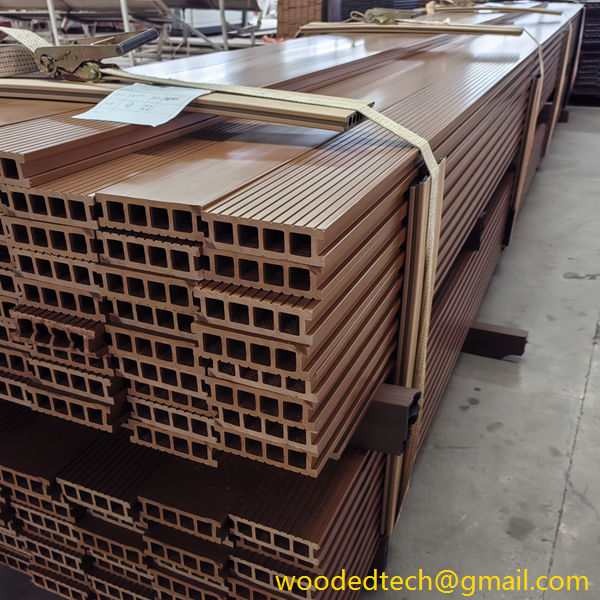
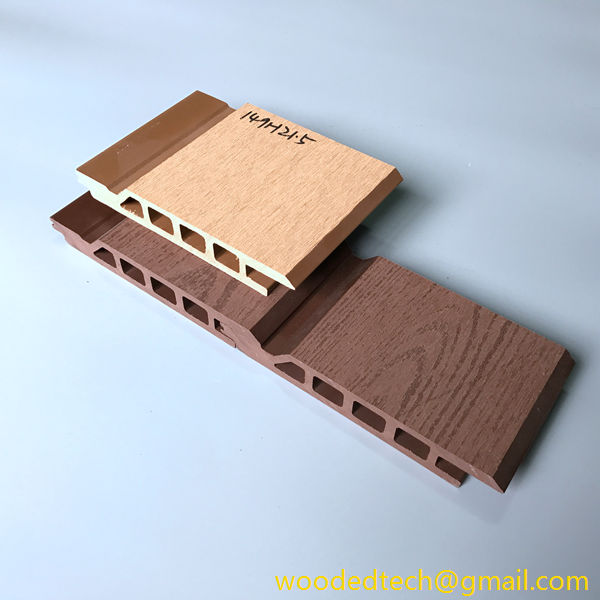
After compounding, the WPC is formed into sheets or boards through a method known as extrusion. The molten composite is pushed through a die that shapes it into the desired profile for wall cladding. This extrusion process allows manufacturers to create a wide variety of textures and finishes, mimicking the look of natural wood or offering modern designs that suit contemporary interiors. The ability to customize the appearance of WPC wall cladding makes it a highly versatile material for designers and architects.

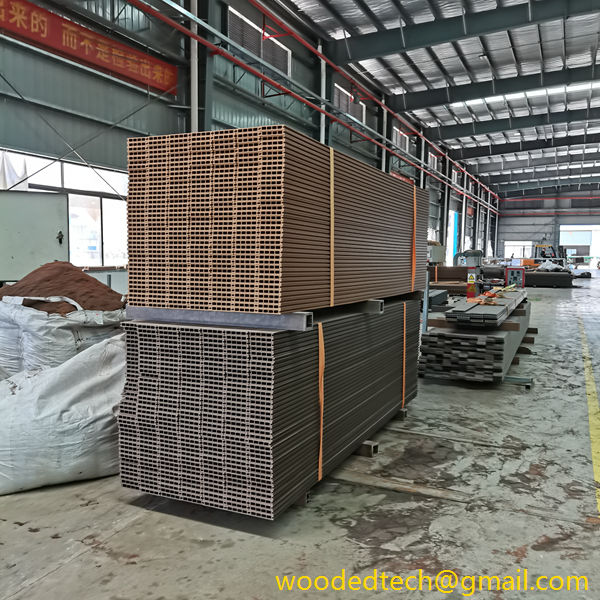
Once the WPC boards are formed and cooled, they undergo a rigorous quality control process. This step is crucial to ensure that each panel meets the required specifications for durability and appearance. Any defects are identified and addressed before the panels are packaged for distribution. Quality control not only helps in maintaining high standards but also instills confidence in consumers regarding the product’s longevity and performance.
When it comes to installing WPC wall cladding, preparation is key. The surface where the cladding will be installed should be clean, dry, and level. This ensures that the panels adhere properly and provides a smooth finish. Depending on the design and layout, installers may choose to use various fastening systems, such as clips or screws, to secure the panels in place. One of the advantages of WPC is its lightweight nature, which makes handling and installation easier compared to traditional materials.
During the installation process, it is essential to allow for proper expansion and contraction of the material due to temperature changes. WPC is designed to withstand various environmental conditions, but understanding its thermal properties is crucial to prevent issues such as buckling or gaps. Installers often leave a small gap between the panels and adjacent surfaces, which accommodates this natural movement.

After installation, WPC wall cladding requires minimal maintenance, making it a practical choice for busy interiors. Unlike traditional wood, which may require regular staining or sealing, WPC is resistant to moisture, mold, and insects. A simple wash with soap and water is usually sufficient to keep the panels looking fresh and vibrant. This low-maintenance attribute is particularly appealing for commercial spaces where upkeep can be costly and time-consuming.
In addition to its aesthetic and functional benefits, WPC wall cladding also contributes to sustainability. The use of recycled materials in its production reduces waste and lessens the environmental impact associated with deforestation. Furthermore, WPC does not require harmful chemicals for maintenance, making it a safer choice for indoor air quality.
The versatility of WPC wall cladding allows it to be used in various applications, from accent walls in living rooms to protective features in commercial spaces. Its ability to mimic the appearance of natural wood while providing superior durability makes it a preferred choice among designers and contractors alike. As the demand for environmentally friendly and low-maintenance building materials continues to rise, WPC wall cladding stands out as an excellent option for creating beautiful interiors that are both functional and stylish.
The combination of advanced manufacturing techniques and innovative material properties ensures that installing WPC wall cladding is a choice that meets the needs of modern interior design while providing long-lasting performance. As more people recognize the benefits of WPC, it is likely to become a staple in interior design projects, transforming spaces into visually appealing environments that reflect contemporary trends and values.