 English
  Español
  Français
  Português
  Deutsch
  Italiano
  Русский
  العربية
  简体中文
简体中文  香港中文
香港中文  한국어
한국어  日本語
日本語  Türkçe
  Nederlands
  Bahasa Indonesia
 is composite decking fire resistant for added safety
Composite decking has gained significant popularity in recent years, particularly among homeowners seeking durable, low-maintenance outdoor solutions. One of the pivotal questions regarding composite decking is its fire resistance and the safety benefits it offers. To understand this aspect, it is essential to delve into the materials used and the production processes involved, which ultimately influence the fire-resistant properties of composite decking.
Composite decking is typically manufactured from a blend of wood fibers and plastic materials, such as polyethylene or polyvinyl chloride. This combination results in a product that not only mimics the appearance of traditional wood but also provides enhanced durability and resistance to various environmental factors. The wood fibers contribute to the natural look and feel of the decking, while the plastic components help protect against moisture, mold, and insects. However, the fire resistance of composite decking primarily hinges on the type and proportion of materials used in its production.
The production process of composite decking usually involves heat and pressure to combine the wood fibers and plastic materials. During this process, additives may be introduced to enhance specific properties, including fire resistance. Manufacturers can incorporate flame-retardant chemicals into the composite material, which significantly improves its ability to withstand ignition from external heat sources. These flame-retardant additives can vary in their effectiveness, depending on the formulation and manufacturing techniques employed.

When assessing the fire resistance of composite decking, it is crucial to consider the relevant testing standards and certifications. Many composite decking products undergo rigorous testing to determine their fire performance. The American Society for Testing and Materials (ASTM) provides guidelines for evaluating fire performance through various tests, including the ASTM E84 test, which measures the flame spread and smoke development characteristics of building materials. Composite decking that achieves a Class A rating in this test demonstrates superior fire resistance, making it a safer choice for outdoor applications.
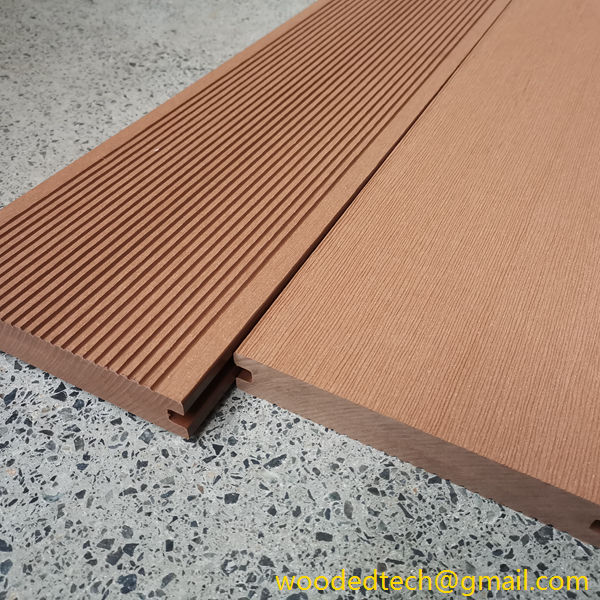
In addition to the inherent materials and chemical additives, the design of composite decking can also impact its fire resistance. Some manufacturers offer products that feature a solid core, which can provide additional protection against fire. This solid construction may help prevent flames from penetrating through the decking to the underlying structures, thus enhancing safety for homeowners and their properties. Furthermore, the surface finish of composite decking can be engineered to resist ignition and limit the spread of flames, adding another layer of safety.

While composite decking can offer improved fire resistance compared to traditional wood decking, it is important to note that it is not entirely fireproof. The degree of fire resistance can vary among different brands and product lines. As such, homeowners should carefully consider their specific needs and local building codes when selecting composite decking for outdoor spaces. It is advisable to consult with manufacturers or suppliers regarding the fire ratings and safety features of their products to ensure compliance with safety regulations.
Another aspect to consider is the environment in which the composite decking will be installed. Areas prone to wildfires or extreme heat may necessitate additional fire safety measures. It may be beneficial to combine composite decking with fire-resistant barriers, such as stone or concrete, to create a more robust fire-safe environment. Homeowners should also maintain proper landscaping practices, such as keeping vegetation trimmed and managing debris, to reduce fire hazards in the vicinity of their outdoor living spaces.
In terms of maintenance, composite decking generally requires less upkeep than traditional wood. However, regular cleaning is necessary to remove debris that could potentially ignite during a fire. Keeping the surface clear and free from combustible materials is a simple yet effective way to enhance safety. Homeowners should also be mindful of outdoor cooking appliances and heating sources, ensuring they are placed at a safe distance from the decking.
When evaluating the safety of composite decking, understanding its fire-resistant properties can provide peace of mind for homeowners. The combination of materials, production techniques, and fire-retardant additives plays a crucial role in enhancing the fire resistance of composite decking. As with any building material, proper care and consideration of the installation environment can contribute to the overall safety and longevity of the product. With the right choices, composite decking can be an excellent addition to outdoor spaces, providing both aesthetic appeal and enhanced safety features for years to come.