 English
  Español
  Français
  Português
  Deutsch
  Italiano
  Русский
  العربية
  简体中文
简体中文  香港中文
香港中文  한국어
한국어  日本語
日本語  Türkçe
  Nederlands
  Bahasa Indonesia
 is wpc flooring waterproof for moisture resistant applications
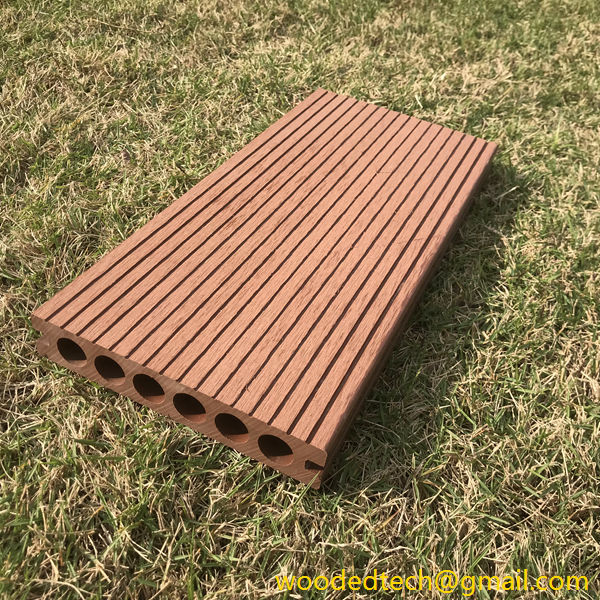
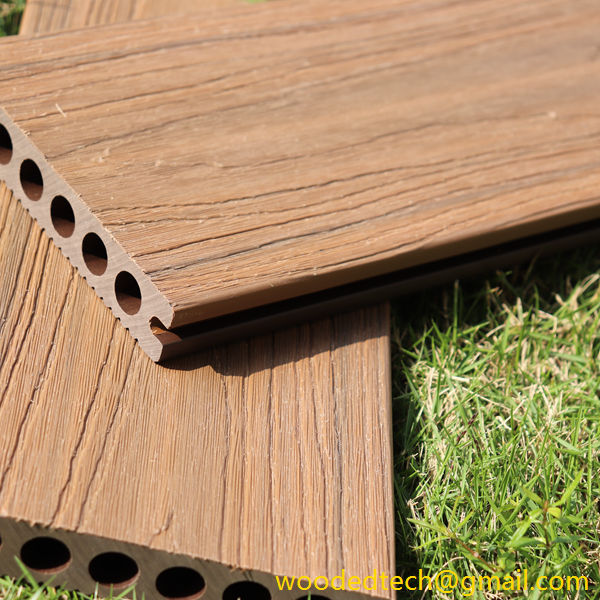
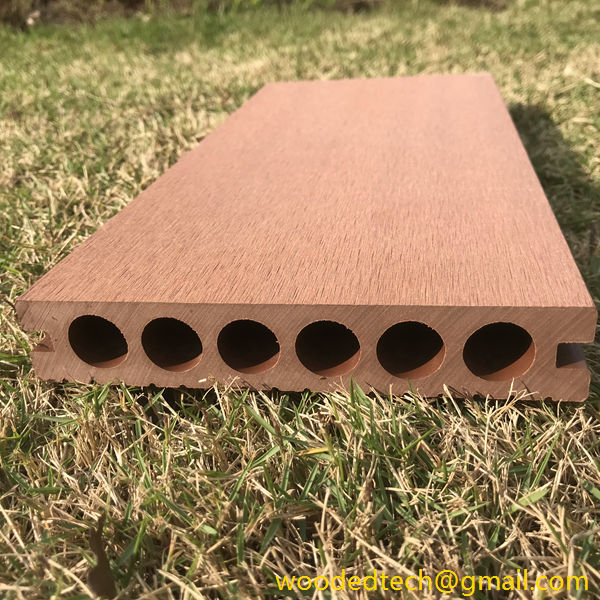
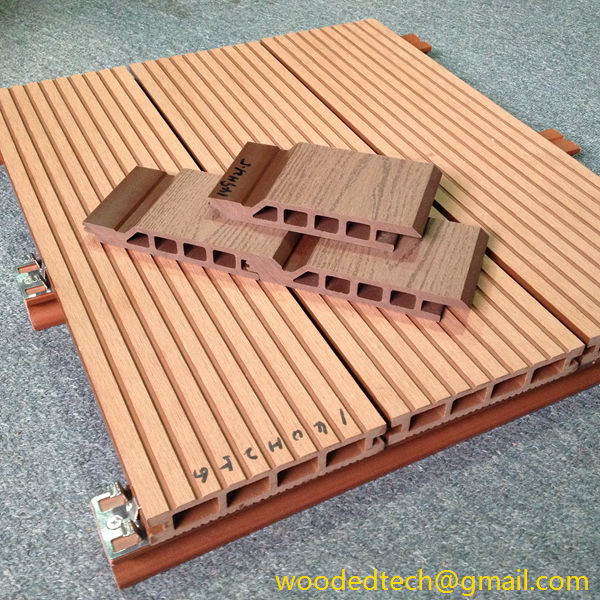
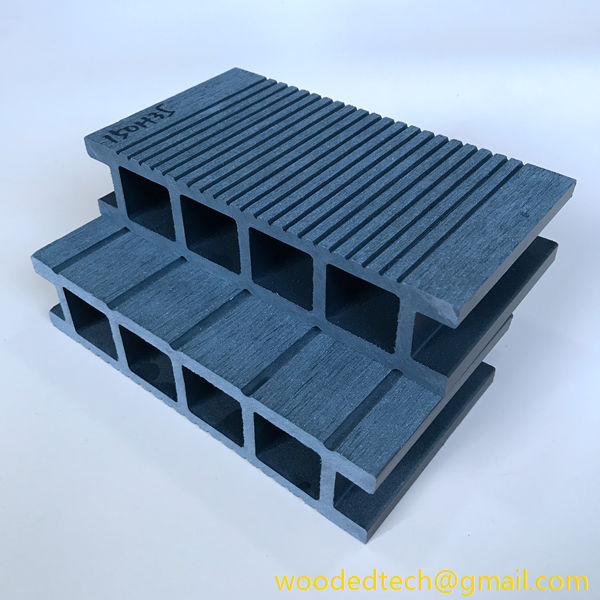
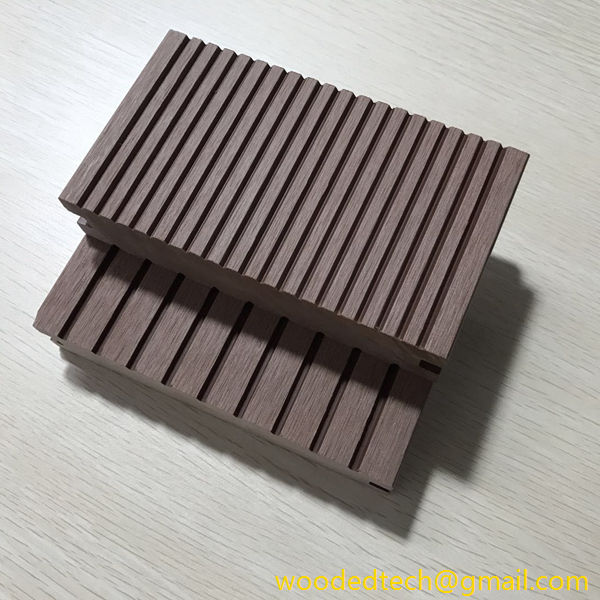
WPC flooring, or Wood Plastic Composite flooring, has gained significant popularity in recent years, especially in regions where moisture resistance is a crucial factor. As a hybrid material made from wood fibers and thermoplastics, WPC flooring is designed to offer the aesthetic appeal of natural wood while providing enhanced durability and resistance to moisture. This unique combination makes it particularly suitable for environments prone to humidity and spills, such as kitchens, bathrooms, and basements.

One of the primary advantages of WPC flooring is its waterproof characteristics. Unlike traditional hardwood or laminate flooring, which can warp or swell when exposed to water, WPC flooring is engineered to withstand moisture. The thermoplastic component of WPC acts as a moisture barrier, preventing water from penetrating the core of the flooring. Consequently, this feature makes WPC flooring an ideal choice for both residential and commercial applications where moisture resistance is paramount.
From a global perspective, the distribution of WPC flooring production has been shaped by various factors, including raw material availability, manufacturing capabilities, and market demand. Countries with abundant access to wood resources, such as the United States, Canada, and those in Scandinavia, have become significant producers of WPC flooring. These regions benefit from a well-established supply chain for raw materials, which contributes to the efficient production of WPC products.

On the other hand, countries in Asia, particularly China, have emerged as major players in the WPC flooring market due to their advanced manufacturing technologies and lower production costs. The price advantage that manufacturers in these regions enjoy allows them to offer competitively priced WPC flooring options in the global market. This price competitiveness has led to a surge in the popularity of WPC flooring, making it accessible to a broader range of consumers.
The growing awareness of environmental sustainability has also influenced the production of WPC flooring. Many manufacturers are now focusing on sourcing recycled materials for their products. This shift not only reduces the environmental impact of flooring production but also appeals to eco-conscious consumers. As sustainability becomes a more significant factor in purchasing decisions, the demand for WPC flooring produced from recycled materials is expected to rise.
In terms of pricing, WPC flooring is generally positioned between traditional hardwood flooring and laminate flooring. This pricing strategy makes it an attractive option for homeowners and businesses looking for a balance between quality and affordability. With its waterproof properties and aesthetic appeal, WPC flooring offers a compelling alternative for those who desire the look of wood without the maintenance challenges associated with solid hardwood.
The competitive pricing of WPC flooring has prompted an increase in market players and innovation within the industry. Manufacturers are continuously improving their products by enhancing durability, expanding design options, and incorporating advanced technologies. These innovations lead to a wider array of choices for consumers, from various textures and colors to options that mimic the appearance of exotic woods.
As WPC flooring continues to gain traction, the market dynamics are also changing. Increased demand for moisture-resistant flooring solutions is driving manufacturers to invest in research and development. This investment aims to create even more advanced products that can withstand extreme conditions while maintaining aesthetic appeal. The evolution of WPC flooring technology will likely lead to new applications, such as outdoor installations where moisture resistance is critical.
Furthermore, as global trade continues to evolve, the distribution networks for WPC flooring are becoming more intricate. Manufacturers are exploring new markets in regions previously dominated by traditional flooring options. The ability to provide moisture-resistant flooring solutions can transform these markets, especially in areas where high humidity or water exposure is common.
In summary, WPC flooring stands out as a highly versatile option for moisture-resistant applications due to its waterproof characteristics and aesthetic versatility. The global production landscape of WPC flooring is shaped by factors such as resource availability, manufacturing advancements, and cost advantages. As the industry evolves, the continued focus on sustainability and innovation will likely enhance the appeal of WPC flooring, making it an increasingly popular choice for both residential and commercial spaces. As a result, consumers can expect to see a broader range of high-quality, moisture-resistant flooring options that meet their diverse needs and preferences.