 Italiano
  English
  Español
  Français
  Português
  Deutsch
  Русский
  العربية
  简体中文
简体中文  香港中文
香港中文  한국어
한국어  日本語
日本語  Türkçe
  Nederlands
  Bahasa Indonesia
 Nozioni di base di installazione del decking composito
Scegliere la giusta spaziatura di installazione per il decking composito può influenzare in modo significativo la forza e la longevità del tuo spazio esterno.Quando si considera il decking composito, un 12” o un 16” sull’installazione centrale è tipicamente raccomandato a seconda dei requisiti di carico e del tipo di materiale composito utilizzato.La spaziatura che si opta per influisce direttamente sull'integrità strutturale del mazzo e può aiutare a mitigare problemi come il cedimento o la deformazione nel tempo.
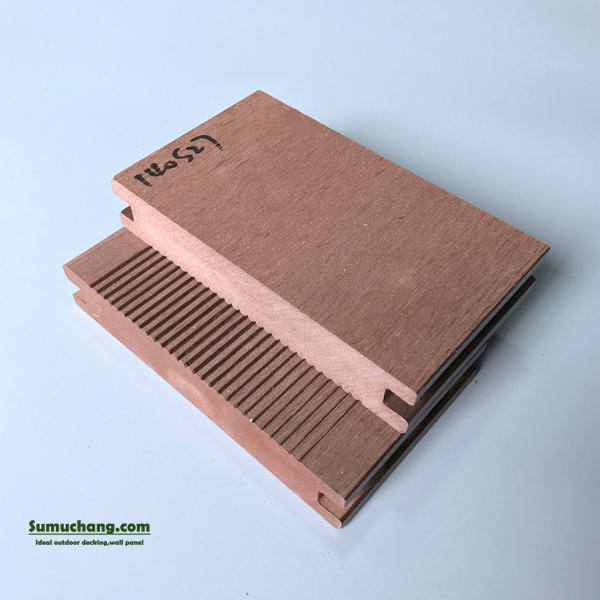
Il decking composito è diventato un'alternativa popolare al legno tradizionale grazie alla sua maggiore durata e bassa manutenzione.A differenza del legno naturale, che può richiedere frequenti colorazioni o sigillature, i materiali compositi sono progettati per resistere a varie condizioni meteorologiche senza deteriorarsi.In particolare, i prodotti WPC (composito in plastica legno) di Sumuchang incorporano uno strato di capstock co-estruso che fornisce una barriera aggiuntiva contro l'umidità, i raggi UV e l'usura quotidiana.
Confrontando il decking del legno composito e naturale
Il legno naturale è stato a lungo apprezzato per la sua bellezza, ma comporta sfide intrinseche.La sua suscettibilità a scheggia e deformazione lo rende meno ideale per le installazioni all'aperto senza un ampio mantenimento.D'altra parte, il decking composito è progettato per resistere a questi problemi.La sua formulazione significa che non si scheggerà, permettendo ai piedi nudi di vagare liberamente senza paura di lesioni.
La durata del decking composito tende anche a sopravvivere a quella del legno tradizionale.Mentre il legno ben mantenuto può durare da 15 a 20 anni, il decking composito può raggiungere i 25 anni o più con una manutenzione minima.Questa durata prolungata contribuisce al suo valore, in particolare se si considera il costo totale di proprietà nel tempo rispetto al mantenimento annuale richiesto per il legname.
Manutenzione e considerazioni di longevità
Uno dei vantaggi più significativi dell’installazione di decking composito, sia a 12” o 16” al centro, è la riduzione dei costi di manutenzione.I ponti in legno richiedono una colorazione annuale, una sigillatura e riparazioni a causa di danni alla marcia o agli insetti, che possono sommarsi in modo significativo nel corso degli anni.Al contrario, il decking composito richiede in genere solo una pulizia occasionale con acqua e sapone per mantenerlo al meglio.
L'innovativa tecnologia capstock utilizzata nel moderno decking composito migliora anche la sua resistenza alla dissolvenza, ai graffi e alle macchie.Ciò significa che, mentre il legno naturale può avere un caldo appeal estetico, le sue prestazioni spesso diminuiscono con l'età, portando a costi che si accumulano nel tempo.Il decking composito, tuttavia, mantiene il suo aspetto e l'integrità strutturale, rendendolo una scelta più economica nel corso della sua durata di vita.
Affrontare le preoccupazioni di deloro e schegge
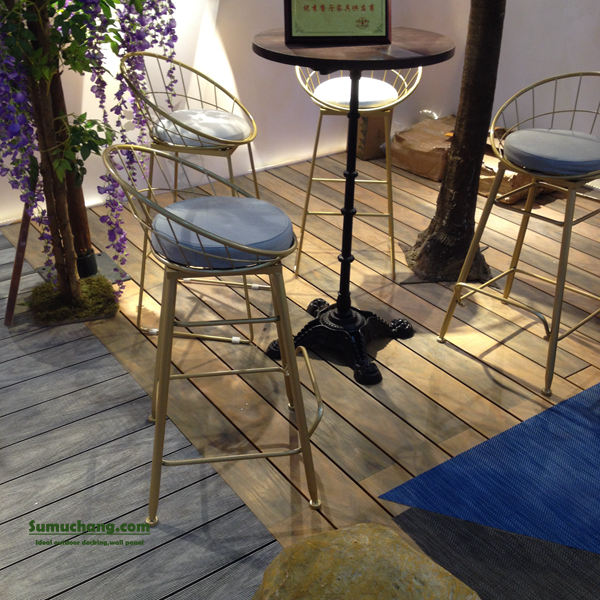
La deformazione è una preoccupazione comune sia per il legno che per i primi materiali WPC solidi.Il legno naturale è particolarmente incline alla deformazione a causa dei cambiamenti di umidità e temperatura, che possono compromettere la stabilità del tuo mazzo.I primi prodotti WPC solidi mancavano della tecnologia avanzata per mitigare tali problemi in modo efficace.Tuttavia, con lo sviluppo di decking composito co-estruso, prodotti come quelli di Sumuchang hanno affrontato queste preoccupazioni in modo decisivo.
I moderni prodotti di decking composito sono progettati per resistere agli elementi senza soccombere a deformazione o espansione e contrazione eccessivi.Questo li rende una scelta affidabile per vari climi, assicurando che il tuo mazzo rimanga robusto e visivamente attraente per tutte le stagioni.
Il valore reale del decking composito
Quando si valutano le implicazioni finanziarie della scelta del decking, diventa chiaro che l'investimento iniziale nel decking composito produce notevoli risparmi a lungo termine.Mentre il costo iniziale può essere superiore a quello del legname tradizionale, i requisiti di manutenzione ridotti e la durata prolungata della vita contribuiscono a un costo totale di proprietà inferiore.La tranquillità che deriva dal sapere che il tuo mazzo rimarrà funzionale e attraente per decenni ne migliora ulteriormente il valore.
In definitiva, la scelta tra decking composito e legno naturale si riduce a prestazioni, manutenzione e longevità.Con le sue proprietà resistenti alle intemperie e le basse esigenze di manutenzione, il decking composito posizionato a 12” o 16” al centro diventa una soluzione pratica sia per progetti residenziali che commerciali.L'impegno di Sumuchang per la qualità garantisce che stai investendo saggiamente nel tuo spazio di vita all'aperto.