 한국어
한국어  English
  Español
  Français
  Português
  Deutsch
  Italiano
  Русский
  العربية
  简体中文
简体中文  香港中文
香港中文  日本語
日本語  Türkçe
  Nederlands
  Bahasa Indonesia
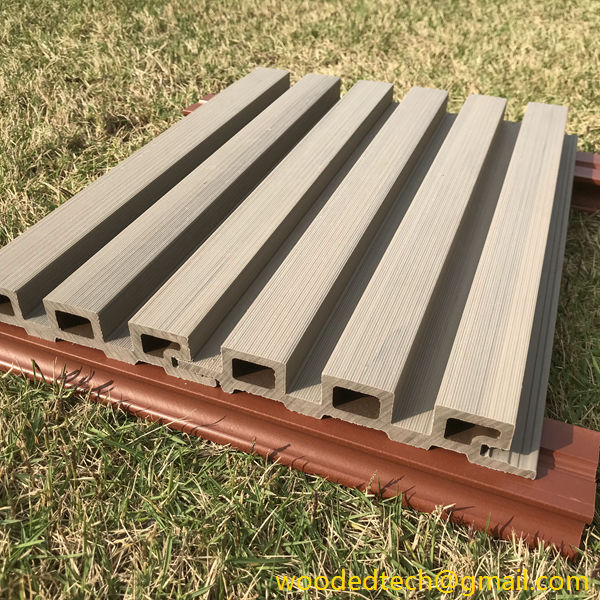
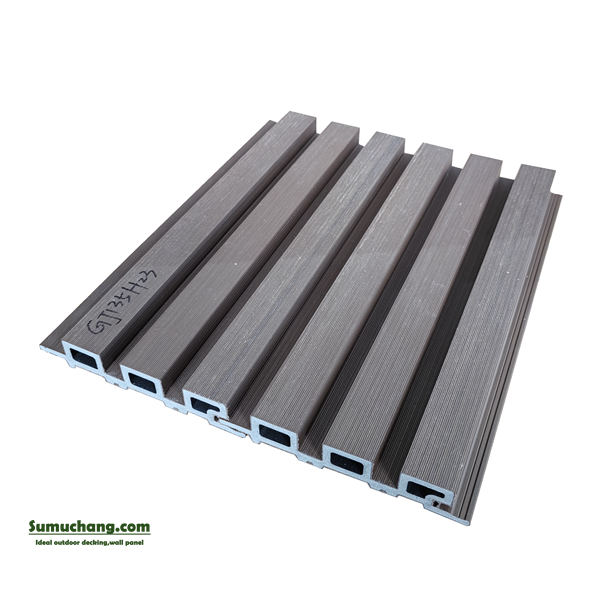
 Enhancing Building Protection with Cladding WPC
Cladding WPC, or Wood Plastic Composite, has emerged as a superior choice for exterior building protection in recent years. This innovative material combines the durability of plastic with the aesthetic appeal of wood, resulting in a cladding solution that addresses the challenges posed by environmental exposure. As urban areas expand and construction practices evolve, the demand for effective exterior building materials is on the rise. Cladding WPC offers exceptional resistance to moisture, rot, and insects, making it an ideal option for various climates.
The application of cladding WPC significantly reduces the maintenance requirements of exterior surfaces. Traditional wooden cladding often suffers from warping and splintering, which necessitates regular upkeep and replacement. In contrast, WPC maintains its structural integrity over time, helping to protect buildings from the elements while minimising repair costs. As building owners and contractors increasingly seek longevity and sustainability in their projects, the appeal of cladding WPC becomes evident.
Global Trends in Composite Materials
The global market for composite materials, particularly WPC, is experiencing robust growth. This trend can be attributed to a rising awareness of sustainable construction practices and the benefits of using recycled materials in building projects. Many manufacturers are now focusing on reducing their carbon footprint by incorporating recycled plastics and wood fibres in their WPC formulations. As eco-consciousness continues to shape consumer preferences, cladding WPC stands out as a viable solution for environmentally responsible construction.
Regions such as Europe and North America are leading the charge in adopting WPC technologies. Legislative measures aimed at promoting sustainable building materials have further accelerated the uptake of cladding WPC. As architects and builders strive to comply with stringent environmental regulations, the use of WPC for cladding is often seen as a forward-thinking strategy that aligns with these initiatives. Emerging markets in Asia and Latin America are also beginning to recognise the advantages of WPC, showcasing an opportunity for growth in these regions.
Market Opportunities in WPC Applications
Moreover, as urbanisation continues to advance, the need for stylish yet low-maintenance building solutions is paramount. Cladding WPC can enhance the visual appeal of a building while offering practical protection from the elements. This dual benefit is attractive to property developers who are keen to differentiate their projects in a competitive market. The rise of e-commerce also presents new avenues for the distribution of WPC products, allowing manufacturers to reach a broader audience than ever before.
Sustainability and Future Outlook
The future of cladding WPC looks promising, given the growing emphasis on sustainability in the construction industry. As more consumers and businesses prioritise environmentally friendly materials, the demand for WPC will likely continue to rise. Manufacturers are investing in research and development to enhance the properties of WPC, such as improving fire resistance and expanding colour options. These innovations will not only cater to consumer preferences but also address safety concerns associated with building materials.
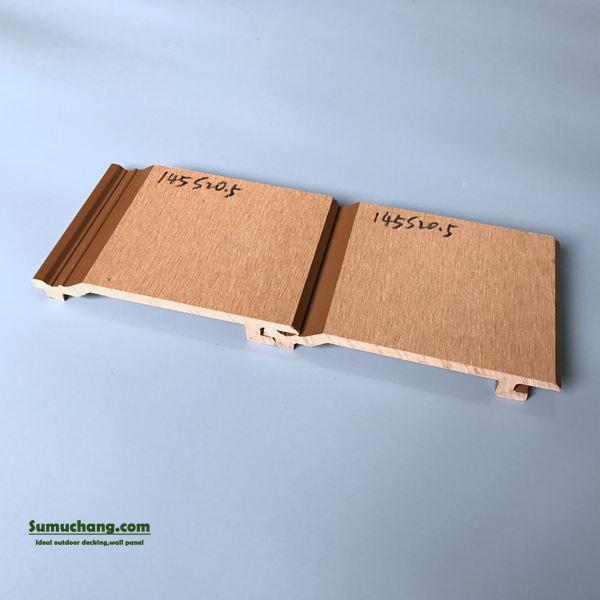
The ongoing evolution of building codes and standards will further impact the WPC market. As regulations become stricter, cladding WPC’s ability to meet these standards while offering longevity and aesthetic appeal will position it favourably in the marketplace. The convergence of technology and sustainability will shape the future of WPC applications, leading to exciting opportunities for growth across the globe.
Adoption in Diverse Climates
Cladding WPC is particularly well-suited for diverse climatic conditions, from humid coastal areas to dry inland regions. Its resistance to moisture and UV rays ensures that buildings maintain their integrity and appearance, regardless of environmental challenges. This adaptability can lead to significant cost savings for property owners, who can avoid frequent repairs associated with traditional materials.
As architects and builders embrace a more holistic approach to design, integrating WPC into projects can enhance not just the exterior protection of buildings, but also contribute to energy efficiency. Cladding WPC assists in thermal insulation, helping to regulate indoor temperatures and reduce energy consumption. This multifaceted approach to building materials aligns with current trends towards smart and sustainable construction practices.