 한국어
한국어  English
  Español
  Français
  Português
  Deutsch
  Italiano
  Русский
  العربية
  简体中文
简体中文  香港中文
香港中文  日本語
日本語  Türkçe
  Nederlands
  Bahasa Indonesia
 Designing WPC Decking Profiles
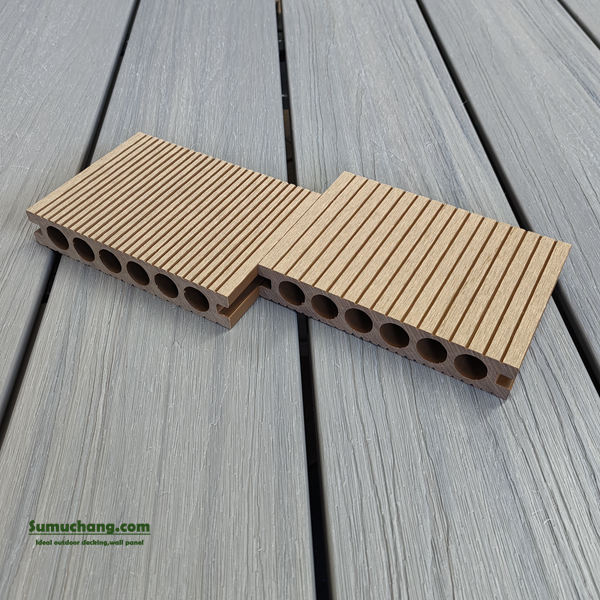
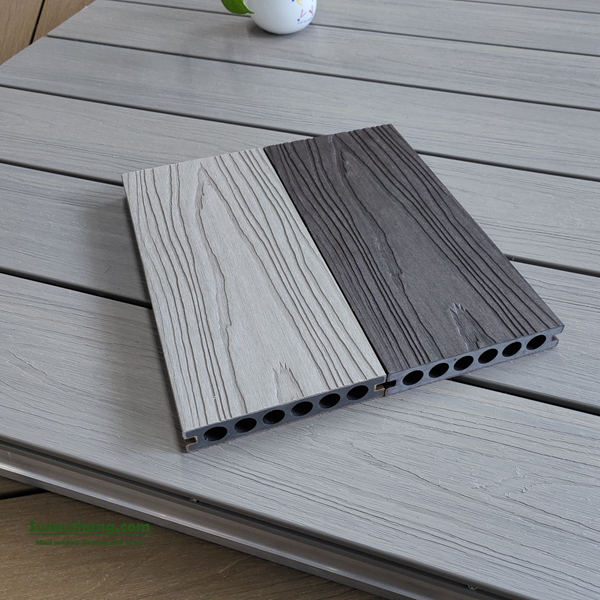
WPC decking, or wood-plastic composite decking, has emerged as an ideal solution for outdoor projects due to its unique blend of performance and aesthetics. The design of WPC profiles plays a pivotal role in determining their functionality and appeal. A well-designed profile not only enhances the natural beauty of the decking but also maximises its durability and ease of installation. Profile designs can range from hollow structures to solid ones, each offering distinct advantages for specific applications.
Hollow structures, for instance, are often lighter and more economical, making them a popular choice for large installations where weight considerations are critical. On the other hand, solid structures offer enhanced strength and stability, making them suitable for high-traffic areas. It is essential to consider the end-use of the decking when selecting the appropriate profile design, as this will directly influence performance and longevity.
Influence of Rib Designs on Strength and Weight
The rib design incorporated into WPC decking profiles significantly affects their overall strength and weight. Ribs can be integrated into the understructure of a hollow profile to enhance its load-bearing capabilities while maintaining a lightweight feel. This strategic use of ribs allows for efficient material usage, reducing costs without compromising structural integrity.
In solid profiles, ribbing can also be employed to provide additional support and prevent sagging over time. The careful placement of these ribs can optimise weight distribution, allowing for more efficient installation and improved durability. As a WPC extrusion mould design engineer, understanding the balance between rib density and overall profile thickness is crucial in achieving an ideal product that caters to both strength and weight requirements.
Surface Patterns and Aesthetic Appeal
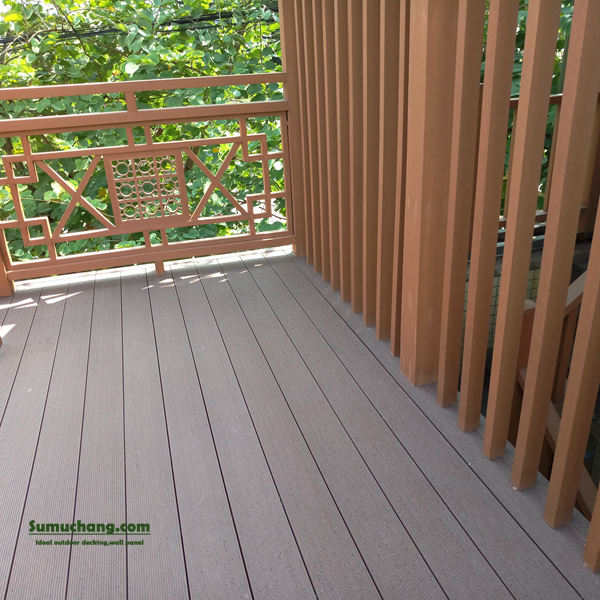
The surface pattern of WPC decking is not merely a design choice but serves to enhance both functionality and aesthetics. Various surface textures can influence slip resistance, which is a critical factor in outdoor environments. A textured surface can improve grip, making it safer for wet or slippery conditions. Additionally, different patterns can mimic the appearance of traditional wood, appealing to consumers who desire the look of natural materials without the associated maintenance issues.
Moreover, surface patterns can play a role in concealing wear and tear, as well as dirt and stains. This not only prolongs the visual appeal of the decking but also reduces the frequency of cleaning required. As design trends evolve, incorporating innovative surface treatments that respond to consumer preferences while maintaining the practical benefits of WPC is essential in this competitive market.
Cost Considerations in WPC Decking Design
The cost of WPC decking is influenced by several factors, including the choice of materials, manufacturing techniques, and design complexity. A well-thought-out profile design can lead to significant savings. For example, opting for hollow profiles generally incurs lower material costs compared to solid profiles. However, it is critical to ensure that the selected design does not compromise quality or performance.
Additionally, the efficiency of the extrusion process is paramount in controlling production costs. Streamlined production methods that minimise waste and maximise output can lead to cost-effective solutions for manufacturers. As a mould design engineer, it is essential to create designs that not only meet performance standards but also align with budgetary constraints, thereby ensuring a competitive edge in the marketplace.
Installation Performance and User Experience
The design of WPC decking profiles directly impacts installation performance, which is a crucial consideration for contractors and end users alike. Profiles that are designed for ease of handling and installation can significantly reduce labour time and associated costs. Features such as interlocking systems or pre-drilled holes can simplify the installation process, making it more accessible for DIY enthusiasts.
Moreover, accommodating expansion and contraction through thoughtful design choices can enhance the longevity and performance of the decking. Understanding environmental factors, such as temperature fluctuations and moisture exposure, is vital in this regard. By considering these elements during the design phase, manufacturers can deliver products that not only meet consumer expectations but also stand the test of time.
Environmental Impact and Sustainability
As sustainability becomes increasingly important in construction and landscaping, choosing WPC decking provides a viable alternative to traditional materials. WPC products are often made from recycled materials, contributing to reduced waste and a lower carbon footprint. As a WPC extrusion mould design engineer, it is essential to consider the environmental impact of both the materials used and the manufacturing processes employed.
Furthermore, promoting the longevity of WPC decking through innovative design can minimise the need for replacement, further enhancing its sustainability credentials. By focusing on creating durable, efficient, and aesthetically pleasing decking solutions, the industry can meet consumer demands while fostering a commitment to environmental responsibility.