 한국어
한국어  English
  Español
  Français
  Português
  Deutsch
  Italiano
  Русский
  العربية
  简体中文
简体中文  香港中文
香港中文  日本語
日本語  Türkçe
  Nederlands
  Bahasa Indonesia
 The Role of Composite Decking Subframe in Deck Stability
Composite decking has gained prominence in outdoor design due to its aesthetic appeal and durability. At the heart of this innovation lies the composite decking subframe, which serves as the foundation for the entire deck structure. A well-designed subframe not only supports the decking boards but also enhances stability, ensuring that the deck withstands varying weather conditions and the weight of foot traffic. With the right materials and construction techniques, a composite decking subframe can significantly reduce the risk of warping or sagging, contributing to the longevity of outdoor spaces.
The integration of composite materials in the subframe construction adds another layer of strength and resilience. Unlike traditional timber subframes, composite subframes are resistant to rot, insects, and moisture, making them an ideal choice for outdoor environments. This durability ensures that homeowners can enjoy their decks with peace of mind, knowing that their investment is protected.
Modern Design Trends in Outdoor Spaces
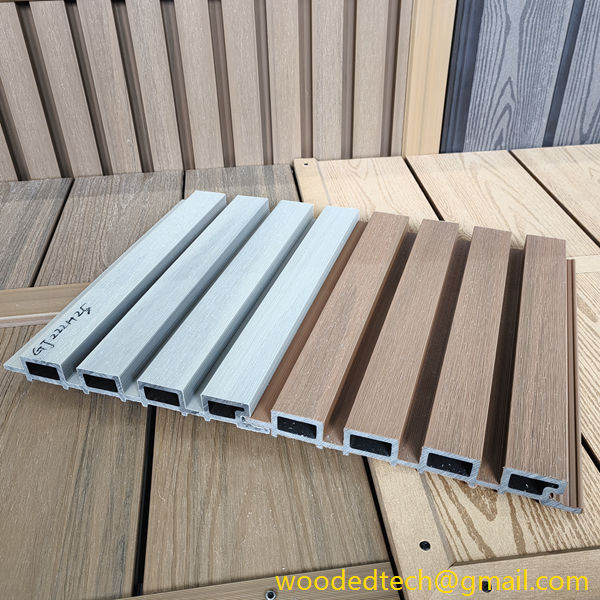
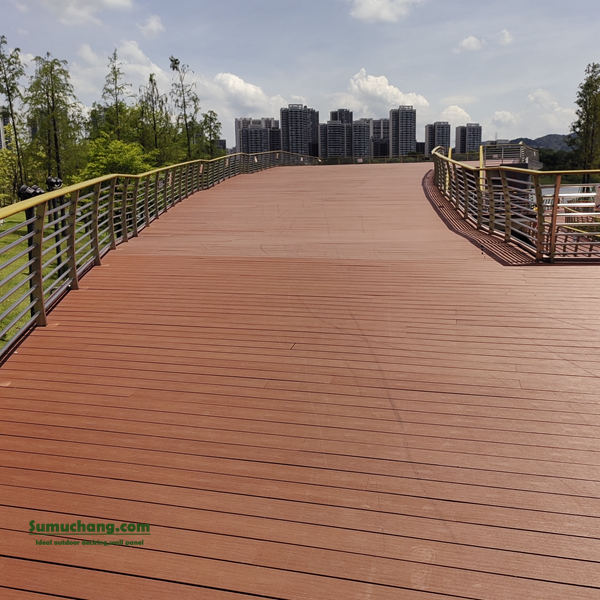
As outdoor living spaces become increasingly important in residential design, modern trends have emerged that focus on functionality and aesthetics. The use of composite materials in decking, wall panels, fences, pergolas, and gazebos allows designers to create cohesive outdoor environments that harmonise with nature. The versatility of composite materials means that they can be fashioned into various profiles and textures, catering to different design preferences.
Colour trends also play a significant role in contemporary outdoor aesthetics. Earthy tones, muted greys, and vibrant hues are being used to complement natural surroundings. By selecting the right colours for composite decking and other structures, designers can create a seamless transition between indoor and outdoor spaces. This thoughtful integration fosters a sense of continuity, enhancing the overall appeal of a property.
Textures and Profiles Enhancing Aesthetic Appeal
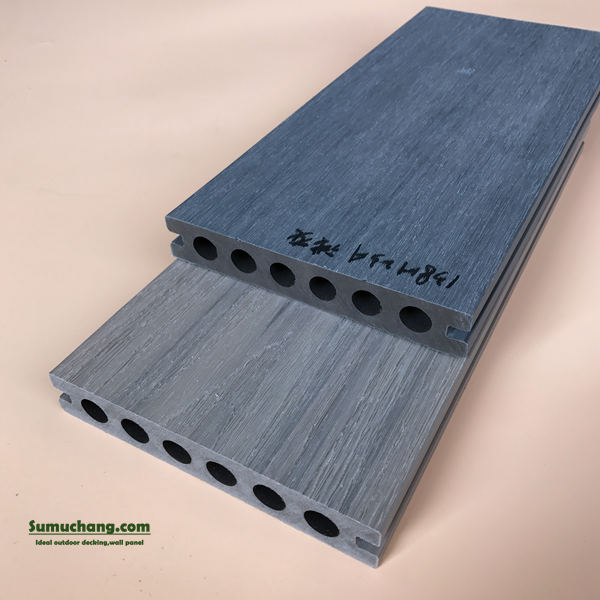
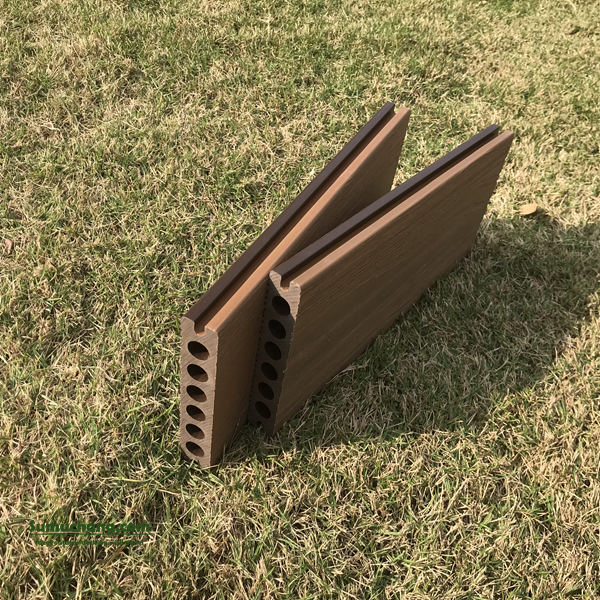
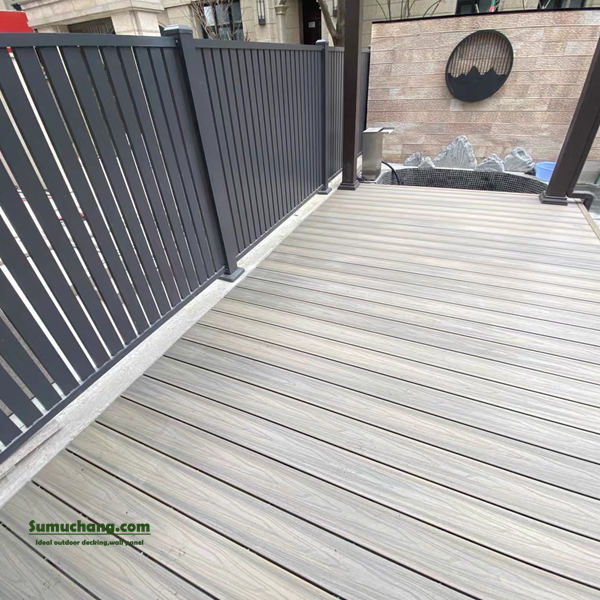
The tactile experience of outdoor materials is crucial in modern design. Composite decking offers a variety of textures, from smooth and polished finishes to more rugged, grain-like surfaces. These textures not only enhance visual interest but also contribute to safety by providing better traction underfoot. Additionally, varying profiles of decking boards, such as wide planks or narrower slats, allow designers to experiment with patterns and layouts, further personalising the outdoor environment.
Moreover, the modular design of composite decking systems streamlines installation while providing flexibility in design. The ability to create custom layouts enables outdoor spaces to adapt to different terrain and architectural styles. Whether it’s a simple garden deck or a complex multilevel structure, the modular nature of composite materials allows for innovative solutions that meet specific needs.
Integrating Landscaping with Composite Solutions
Landscaping also benefits greatly from the use of composite materials. Fences and wall panels made from composites can define boundaries while blending seamlessly with natural elements. Their durability ensures that they maintain their appearance over time, even in harsh weather conditions. This longevity is an essential consideration for homeowners looking to create sustainable outdoor spaces.
Pergolas and gazebos constructed with composite materials add both functionality and visual appeal to gardens and patios. These structures provide shade and shelter, making outdoor spaces more usable throughout the year. Incorporating lighting and decorative elements within these composite frameworks can enhance the ambiance, transforming outdoor areas into inviting retreats.
Environmental Considerations and Sustainable Practices
As more consumers prioritise sustainability in their purchasing decisions, the shift towards composite materials in outdoor design reflects a broader environmental consciousness. Many composite decking products are made from recycled materials, reducing waste and promoting responsible sourcing. This commitment to sustainability resonates with homeowners who wish to minimise their environmental impact while enjoying stylish outdoor spaces.
By choosing composite decking and related products, designers and homeowners alike contribute to a more sustainable future. The use of long-lasting materials reduces the need for frequent replacements, thereby conserving resources. This focus on durability and aesthetics aligns perfectly with modern design trends that celebrate the beauty of nature while respecting the environment.