 한국어
한국어  English
  Español
  Français
  Português
  Deutsch
  Italiano
  Русский
  العربية
  简体中文
简体中文  香港中文
香港中文  日本語
日本語  Türkçe
  Nederlands
  Bahasa Indonesia
 The Role of WPC in Outdoor Comfort
Composite wood decks have transformed outdoor living spaces, offering a blend of durability and aesthetic appeal. As a WPC extrusion mold design engineer, it is essential to consider how various design elements contribute to the overall performance of a composite wood deck floor. The intricate relationship between profile designs, structural variations, and surface patterns significantly influences the strength, weight, cost, and installation performance of these outdoor solutions. Understanding these factors is crucial for achieving optimal outdoor comfort.
Profile Design Considerations
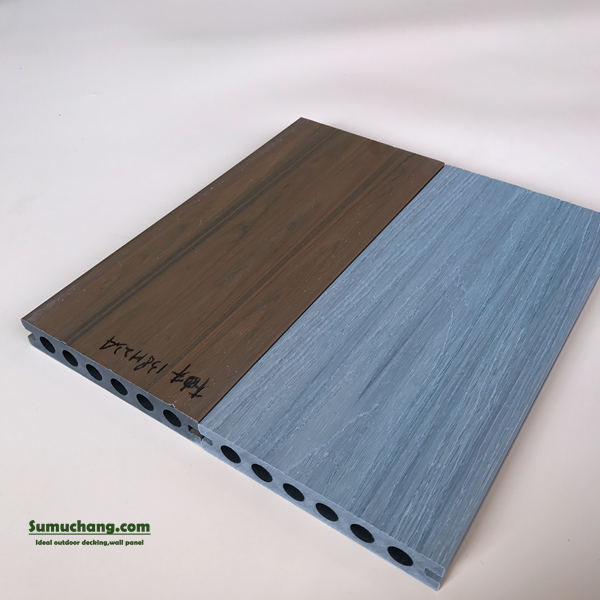
Profile design is paramount when developing composite wood deck floors. Different profiles can alter the overall structural integrity and aesthetic characteristics of the decking material. For instance, a hollow profile can reduce the weight of the deck, making it easier to handle and install. However, hollow structures must be designed with precision to ensure they maintain sufficient strength and rigidity under load. This necessitates a careful balance between weight reduction and structural performance, as an overly lightweight design may compromise the deck’s ability to support furniture or foot traffic.
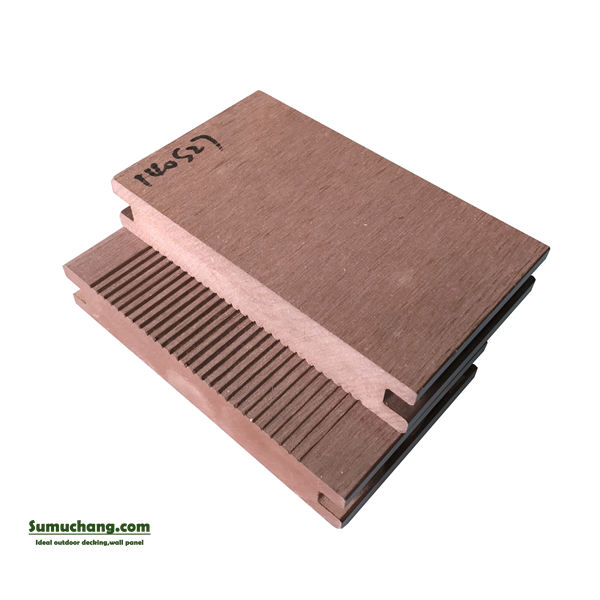
Solid profiles, on the other hand, offer superior strength and stability. They are generally heavier, which can add to installation complexity, but they provide enhanced durability against weather elements and physical stress. In high-traffic areas, opting for a solid profile ensures that the deck can withstand the rigours of daily use without warping or cracking, thereby contributing to a comfortable outdoor environment.
Importance of Rib Design
Rib designs within the WPC profiles are another critical factor that influences performance. Ribs are structural reinforcements integrated into the decking boards, providing additional strength without significantly increasing weight. These ribs can improve the load-bearing capacity of the boards, allowing for larger spans between supports. This design innovation not only enhances the structural integrity but also reduces the number of necessary support posts, leading to a more open and spacious outdoor area.
The placement and configuration of these ribs can vary based on the intended use of the deck. For instance, ribbing designed for residential usage may differ from that intended for commercial applications. By tailoring rib designs to specific applications, manufacturers can optimise performance and contribute to user comfort.
Surface Patterns and Aesthetics
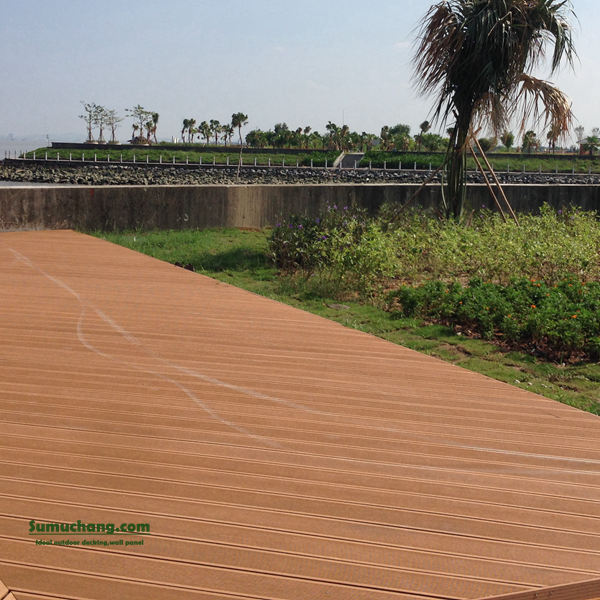
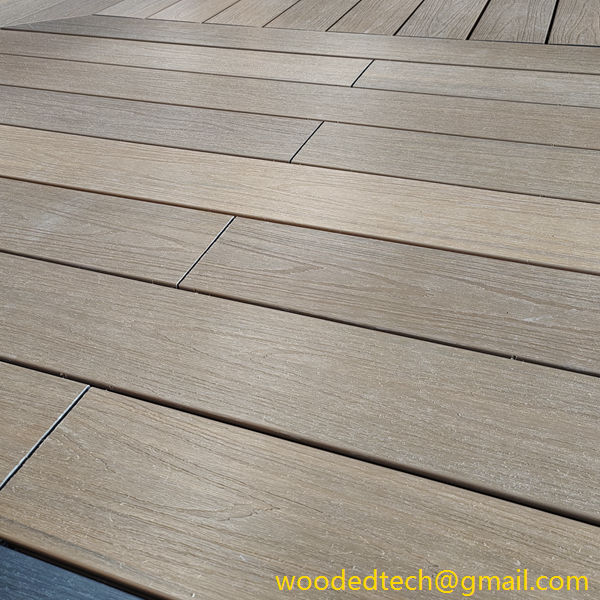
The surface pattern of composite wood decking plays a significant role in user experience. Aesthetics are essential for outdoor spaces, and the right surface pattern can enhance the visual appeal of a deck. Whether opting for a smooth finish or a textured surface that mimics natural wood, the choice impacts not only the look but also the slip resistance of the deck. Textured surfaces increase friction underfoot, providing better grip even when wet, which is particularly important for family-friendly environments.
Moreover, surface patterns can also affect maintenance requirements. Smooth surfaces are easier to clean but may require more frequent treatment to maintain their appearance, while textured surfaces may hide dirt more effectively but could accumulate debris in the grooves. Striking the right balance between aesthetics and practical maintenance is essential for ensuring long-term outdoor comfort.

Cost Implications of Design Choices
Every design choice comes with its own cost implications. Hollow profiles, while lighter and often less expensive to produce, may require additional investment in support structures to ensure safety and durability. The cost of raw materials and manufacturing processes should be carefully analysed against the expected lifespan and maintenance of the product. Solid profiles, while generally more costly to manufacture, may offer better long-term value due to their durability and lower maintenance needs.
Additionally, rib reinforcement adds complexity to the manufacturing process and may increase initial costs. However, the long-term savings on installation and maintenance can offset these expenses, making it essential for businesses to consider the total cost of ownership when evaluating design options.
Installation Performance and User Experience
Installation performance is another critical aspect of composite wood deck design. The ease of installation can significantly impact the overall user experience. Features such as interlocking systems or lightweight materials can speed up the installation process, reducing labour costs and minimising disruption during construction. Innovative designs that facilitate faster installation also contribute to a more enjoyable outdoor living experience, as homeowners can begin using their spaces more quickly.
Furthermore, considering factors such as thermal expansion during the design phase can greatly enhance installation performance. WPC materials can experience changes in size with temperature fluctuations, so providing adequate spacing and expansion joints is vital to prevent warping or buckling over time. Ensuring these elements are addressed in the design phase can lead to a smoother installation process and a more comfortable, resilient outdoor space.