 한국어
 English
 Español
 Français
 Português
 Deutsch
 Italiano
 Русский
 العربية
 简体中文
 香港中文
 日本語
 Türkçe
 Nederlands
 Bahasa Indonesia
Common Composite Decking Questions Addressed
Composite decking has gained immense popularity as a sustainable and performance-driven alternative to traditional wood. As a WPC formulation development engineer, I frequently encounter inquiries regarding the nuances of designing high-performance outdoor wood plastic composite formulas. The fundamental questions often revolve around the optimal balance between wood fibre content, plastic ratio, additives, and their implications for cost control and product lifespan.
One of the most pressing composite decking questions involves the ideal wood fibre content for achieving desired properties. Typically, a higher percentage of wood fibre contributes to a more natural appearance while enhancing the material’s strength. However, if the wood fibre content exceeds a certain threshold, it can negatively affect the composite’s durability, making it more susceptible to moisture absorption and degradation over time. Therefore, a careful selection process is vital, ensuring the wood fibre content promotes aesthetics and performance without compromising longevity.
Plastic Ratio and Its Impact
The ratio of plastic to wood fibre is another critical factor influencing composite decking performance. The right blend significantly affects mechanical properties, weather resistance, and overall durability. A commonly accepted range is between 30% and 50% plastic in the formulation. Too much plastic can lead to a lack of structural integrity, while too little may not provide sufficient protection against environmental factors. Manufacturers must conduct extensive testing to determine the optimal ratio for their specific applications, ensuring that the composite can withstand the rigours of outdoor use.
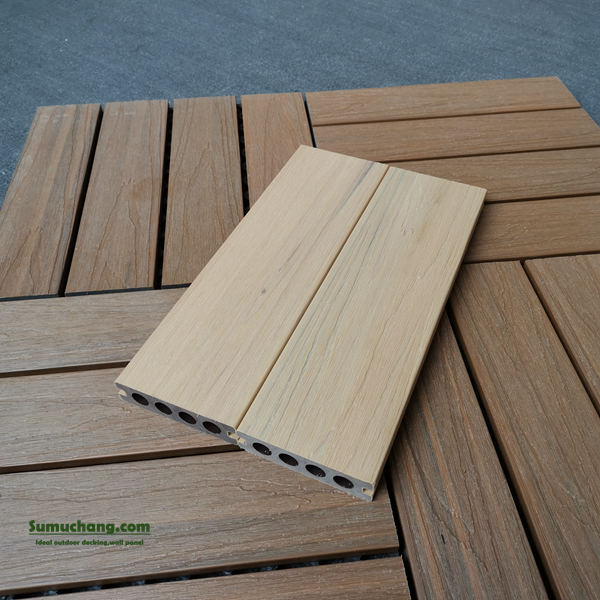
Additionally, the type of plastic used in the formulation plays a crucial role. High-density polyethylene (HDPE) and polypropylene are popular choices due to their strength and resistance to decay. However, additives can further enhance performance, providing benefits such as UV resistance and colour stability, which are essential for outdoor applications.
Additives for Enhanced Performance
Incorporating additives into the composite formulation presents opportunities to address common concerns regarding durability and maintenance. Some frequently discussed additives include anti-fungal agents, UV stabilisers, and colour pigments. These components can improve the longevity of composite decking by reducing the potential for fading, warping, and mould growth. However, there is always a trade-off to consider, particularly concerning cost. The inclusion of high-quality additives can increase the overall production cost, so it is essential to strike a balance between performance enhancements and budget constraints.
Moreover, the choice of additives must align with sustainability goals. Many manufacturers are now focusing on eco-friendly options that do not compromise the performance of the composite material. This approach not only appeals to environmentally conscious consumers but also aligns with global trends toward sustainable building materials.
Cost Control While Maintaining Quality
Cost control is a frequent topic among composite decking questions, particularly as the industry faces fluctuations in raw material prices. It is crucial for manufacturers to develop strategies that allow for quality production without driving costs to unsustainable levels. One effective approach is optimising the supply chain to source materials efficiently, ensuring that production processes remain streamlined. Additionally, investing in advanced manufacturing technologies can enhance product consistency while minimising waste, thus lowering overall expenses.
Furthermore, understanding market dynamics can enable product developers to tailor their formulations to meet specific market needs. For instance, creating a product line with varied pricing tiers allows for broader market penetration without sacrificing quality. This flexibility is vital in an increasingly competitive landscape.
Product Lifespan Considerations
The lifespan of composite decking is often a focal point in discussions about performance and value. Customers frequently seek assurances that their investment will endure through various weather conditions and usage patterns. The longevity of composite materials is primarily determined by the formulation and the application of protective measures during manufacturing. Choosing high-quality materials and maintaining rigorous quality control standards ensures that products will stand the test of time.
Additionally, educating the market about proper maintenance can significantly influence the perceived lifespan of composite decking. Providing clear guidelines on cleaning and care can help customers maximise the longevity of their outdoor spaces. This proactive approach not only builds trust with consumers but also reinforces the value proposition of choosing composite materials over traditional options.