 한국어
 English
 Español
 Français
 Português
 Deutsch
 Italiano
 Русский
 العربية
 简体中文
 香港中文
 日本語
 Türkçe
 Nederlands
 Bahasa Indonesia
Why Material Choice Changes the Cost Calculation
Comparing composite deck vs wood cost requires more than checking the price per board. The purchase price is only one part of a deck’s lifetime expense. Installation, cleaning, repairs and replacement all affect the total, as do the environmental impacts of sourcing and maintaining the material. For homeowners, contractors and project specifiers, the most useful comparison is based on the deck’s expected service life and the conditions it must withstand.
Outdoor wood-plastic composite, commonly called WPC, is made by combining wood fibres or flour with polymers and selected additives. Formulations vary by manufacturer, so recycled content, performance and care requirements should be checked against product documentation. Many WPC products use recycled plastics and reclaimed wood material, giving useful feedstocks a second life. This does not make every composite board automatically sustainable, but it can reduce reliance on virgin resources compared with products made entirely from newly harvested timber and plastic.
Recycled Content and Reduced Timber Demand
Wood used in composite boards may come from sawmill residues or other recovered sources, while the polymer fraction can include recycled plastics. Using these materials can divert suitable waste from disposal and reduce demand for virgin plastic. The environmental benefit depends on the actual recipe, the origin and processing of the inputs, and the manufacturer’s ability to manage production waste. Buyers assessing sustainability claims should request clear information about recycled content rather than relying on broad descriptions such as green or eco-friendly.
Replacing some solid timber with wood fibre blended into a durable profile may also lower demand for newly cut wood. That matters because timber has different environmental consequences depending on forest management, transport and treatment. Responsibly sourced, long-lasting wood remains a valid option, but WPC offers an alternative for projects seeking to limit consumption of virgin timber while still using wood-derived material. A credible comparison considers sourcing and product lifespan together, rather than treating either material as environmentally preferable in every setting.

Durability and the Cost of Keeping a Deck Serviceable
Outdoor exposure can make timber maintenance-intensive. Rain, sunlight, temperature changes and ground moisture may contribute to fading, surface checks, splinters or decay, depending on species, design and installation. Many timber decks need periodic cleaning and protective coatings, with damaged boards replaced as necessary. Those tasks have direct costs for materials and labour, as well as the practical cost of taking the deck out of use during maintenance.
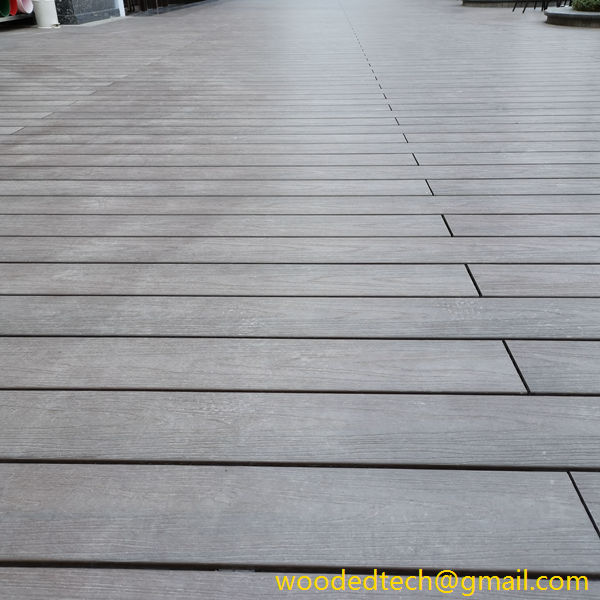
WPC boards are designed to resist common outdoor problems such as moisture-related decay and splintering, although performance varies by construction and quality. They still need routine cleaning, and they are not immune to surface staining, heat or colour change. Proper spacing, drainage, ventilation and fastening remain essential. A well-specified composite deck can reduce the frequency of sanding, staining or sealing, helping to lower upkeep costs over time. Durability also supports the environmental case: a board that remains in service longer may require fewer replacements and less material over the project lifecycle.

Installation, Product Quality and Lifecycle Value
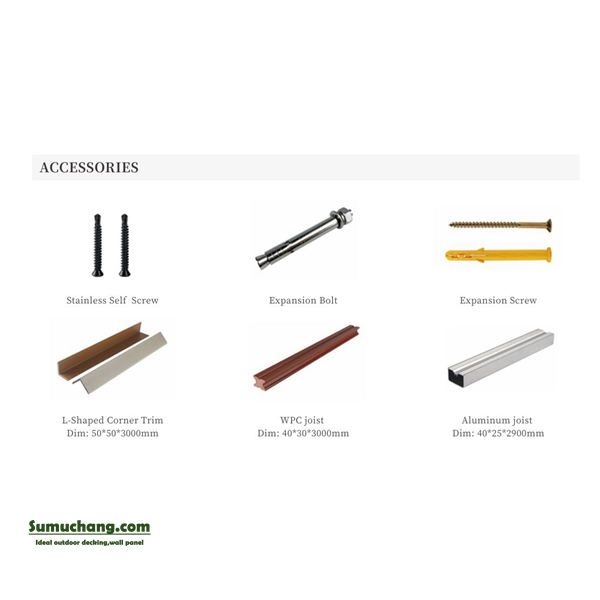
Initial composite pricing is often higher than that of basic pressure-treated timber, but the gap narrows when comparing products with similar appearance, stability and intended service life. Composite systems may require compatible clips, starter pieces, fascia and specific subframe spacing. These components and the installer’s familiarity with the system should be included in the quotation. Timber may have a lower entry price, yet the calculation should also allow for finishing products, repeat labour and likely board replacement.
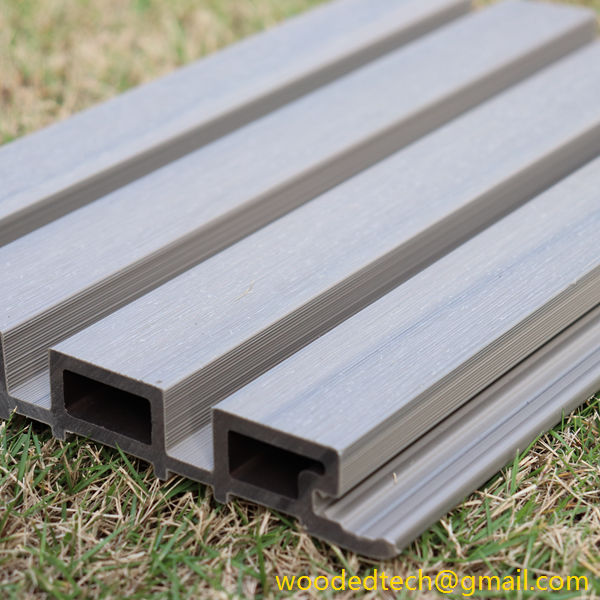
Quality differences within WPC are significant. Board profile, polymer type, fibre content, surface cap, colour stability and manufacturing controls can all influence performance and price. Buyers should review technical data, warranty conditions and installation instructions, then compare like-for-like specifications. For export or commercial projects, confirm that the product is suitable for local climate, loading and safety requirements. A cheaper board that deforms, fades unevenly or needs early replacement can undermine both budget planning and sustainability goals.
Choosing the Better Fit for the Project
The most responsible choice depends on the site and the project’s priorities. A shaded, well-drained area with accessible maintenance may suit timber, particularly where certified local wood is available. A busy outdoor terrace, hospitality setting or exposed garden deck may benefit from WPC’s lower routine maintenance and resistance to decay. In either case, sound subframe design and correct installation protect the investment; poor drainage or unsuitable fixings can shorten the life of any decking material.
For a dependable composite deck vs wood cost comparison, estimate purchase and installation costs alongside cleaning, coatings, repairs and replacement over a realistic service period. Add evidence about recycled inputs, responsible sourcing and expected durability to the same assessment. This approach reveals whether a higher initial WPC price is balanced by reduced maintenance and longer use, while keeping environmental claims tied to measurable product details rather than assumptions.