 English
  Español
  Français
  Português
  Deutsch
  Italiano
  Русский
  العربية
  简体中文
简体中文  香港中文
香港中文  한국어
한국어  日本語
日本語  Türkçe
  Nederlands
  Bahasa Indonesia
 When it comes to designing and constructing outdoor spaces, composite decking has become a popular choice for homeowners and builders alike. Its combination of durability, aesthetic appeal, and low maintenance makes it an ideal material for patios, decks, and walkways. However, achieving the right spacing during installation is crucial for maximizing the performance and longevity of composite decking. Expert tips from Sumuchang provide valuable insights into the nuances of spacing, ensuring that your decking performs optimally.
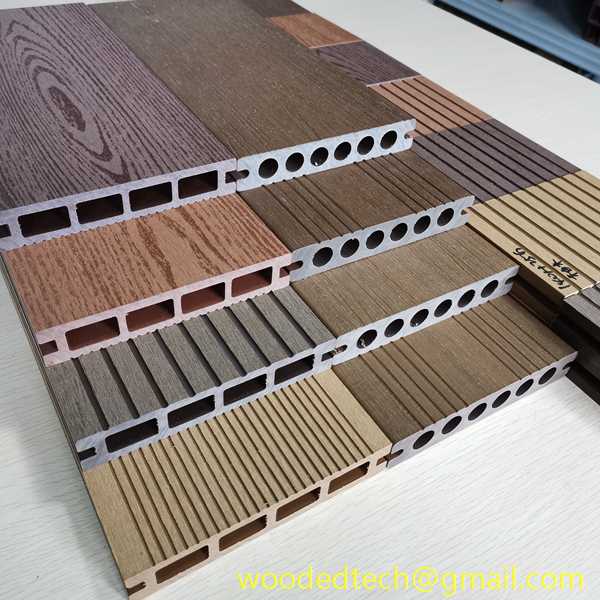
Composite decking is typically made from a blend of wood fibers and recycled plastic. This unique composition imparts several advantageous properties such as resistance to moisture, insects, and rot, making it more durable than traditional wood. However, these materials can expand and contract with temperature fluctuations. Therefore, proper spacing is essential to allow for this movement. Failing to account for expansion can lead to warping, buckling, or separation of the boards over time.

The first consideration in spacing is the gap between individual decking boards. For most composite decking products, a gap of approximately one-eighth to one-quarter of an inch is recommended. This spacing allows for adequate drainage and air circulation, preventing moisture buildup that can lead to mold and mildew. The specific spacing may vary based on the climate and the manufacturer’s guidelines, so it is important to reference these recommendations closely.
Another critical aspect of spacing involves the distance between the composite boards and any adjacent structures, such as walls, railings, or other forms of decking. A minimum space of one inch is generally advised to ensure that the boards have enough room for movement and do not rub against other surfaces. This precaution helps maintain the integrity of the decking, especially in regions with significant temperature variations.
In addition to the gaps between boards and adjacent structures, proper spacing also involves the placement of fasteners. Composite decking can be installed using hidden fasteners or surface screws. With hidden fasteners, spacing can be adjusted to ensure that the boards remain securely attached while allowing for expansion. If using surface screws, it is crucial to follow the recommended spacing distance to avoid over-tightening, which can lead to cracking or splitting.

Another factor influenced by spacing is the overall structural support of the decking. The spacing between joists, or the beams that support the decking, is vital to maintaining the deck’s strength and stability. Composite decking typically requires joists to be spaced no more than sixteen inches apart for standard boards, while heavier or wider boards may require joists to be spaced closer together. Properly spaced joists ensure that the deck can withstand weight and environmental stressors without sagging or bending.
Environmental factors also play a significant role in determining the appropriate spacing for composite decking. In areas with high humidity or frequent rain, tighter spacing may be necessary to manage moisture levels effectively. Conversely, in drier climates, slightly wider gaps may be adequate to accommodate the expansion of the boards. Understanding the local climate and how it affects material performance is essential for achieving optimal results.
Finally, the aesthetic aspect of spacing should not be overlooked. The visual appeal of a composite deck can be significantly impacted by how the boards are spaced. Even spacing creates a polished and professional appearance, enhancing the overall look of your outdoor space. Uneven gaps can detract from the aesthetic quality and may even affect resale value. Taking the time to ensure consistent spacing can pay off in the long run.
Incorporating expert tips from Sumuchang can lead to a well-constructed composite deck that stands the test of time. Proper spacing in various aspects of installation is key to maximizing performance, durability, and visual appeal. Whether you are a seasoned builder or a DIY enthusiast, understanding the intricacies of spacing will help you create a beautiful and functional outdoor area. With careful consideration and adherence to best practices, your composite decking project can be both successful and satisfying.