 Português
  English
  Español
  Français
  Deutsch
  Italiano
  Русский
  العربية
  简体中文
简体中文  香港中文
香港中文  한국어
한국어  日本語
日本語  Türkçe
  Nederlands
  Bahasa Indonesia
 A natureza do deck composto
O deck composto surgiu como uma alternativa popular à madeira tradicional, particularmente em ambientes externos, onde a durabilidade e a manutenção são primordiais.Uma preocupação comum em torno do deck composto é se ele deforma ao longo do tempo.Ao contrário da madeira natural, que é suscetível a deformação devido à absorção de umidade e flutuações de temperatura, os produtos de compósito de plástico de madeira tampada (WPC) são projetados para resistir a esses problemas.Feito com uma mistura de fibras de madeira reciclada e polietileno de alta densidade, o WPC tampado oferece uma camada protetora que protege o material do núcleo dos elementos, reduzindo significativamente o risco de empenamento.
As primeiras iterações de WPC sólido tiveram suas limitações, particularmente em termos de retenção de umidade e absorção de calor.No entanto, os avanços na tecnologia e nos processos de fabricação introduziram o WPC, que combina os benefícios da madeira e do plástico, enquanto atenua as desvantagens de ambos os materiais.Essa evolução é crucial para os consumidores que buscam soluções duradouras para espaços de convivência ao ar livre.
Considerações de Manutenção
A manutenção é um aspecto crítico ao avaliar o valor de qualquer material de deck.A madeira natural requer tratamentos regulares para manter sua aparência e desempenho.Isso geralmente inclui coloração, vedação e tratamento de pragas ou mofo.Em contraste, o WPC limitado exige muito menos manutenção.Uma lavagem simples com água e sabão geralmente é suficiente para manter a superfície limpa.A camada de tampa protetora também significa que o WPC não se fragmenta, racha ou deforma como a madeira tradicional, oferecendo tranquilidade para proprietários e empresas.
Além disso, a resistência ao desbotamento e à coloração inerentes ao WPC de alta qualidade significa que seu apelo estético permanece intacto ao longo dos anos, eliminando a necessidade de substituições ou reparos frequentes.Esta redução significativa na manutenção traduz-se em poupanças substanciais ao longo do tempo.
Tempo de vida e durabilidade
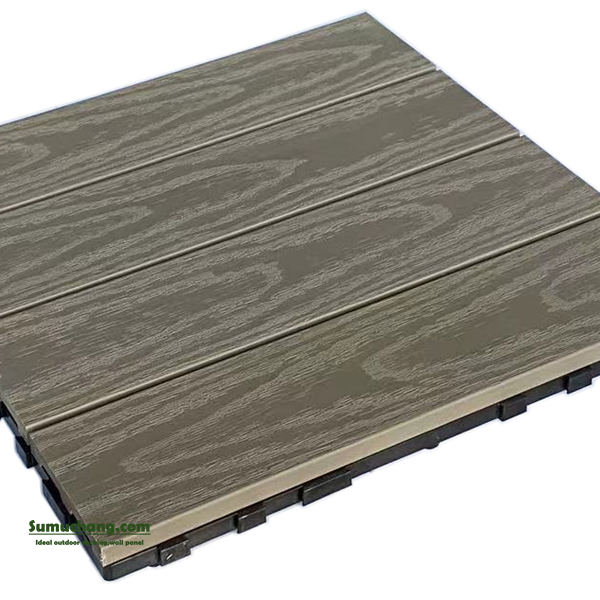
Quando se trata de tempo de vida, o WPC tampado se destaca contra a madeira tradicional e o WPC sólido inicial.Com o cuidado adequado, o deck composto pode durar de 25 a 30 anos ou mais, excedendo em muito a vida útil típica dos decks de madeira, que muitas vezes exigem substituição dentro de 10 a 15 anos devido ao intemperismo e decadência.Essa longevidade faz do deck composto um investimento economicamente sólido.
A durabilidade do WPC tampado é reforçada pela sua resistência à podridão, insetos e condições climáticas extremas.Ao contrário da madeira não tratada, que pode empenar, rachar ou fragmentar quando exposta à umidade ou à luz solar, o WPC limitado mantém sua integridade e aparência, contribuindo para um valor total superior ao longo do tempo.Os compradores podem ter certeza de que seu investimento resistirá aos rigores da vida ao ar livre.
Comparando Riscos De Flasse
Uma das vantagens menos discutidas do deck composto é sua superfície livre de lascas.Proprietários de imóveis com crianças ou animais de estimação muitas vezes se preocupam com os perigos de lascas que são comuns com a madeira tradicional.O WPC tampado elimina essa preocupação, fornecendo uma superfície lisa que permanece segura para pés descalços e patas brincalhonas.Esta característica não só aumenta o conforto, mas também aumenta o apelo estético dos espaços ao ar livre, uma vez que as linhas limpas permanecem livres das imperfeições frequentemente encontradas na madeira natural.
Em contraste, a madeira não tratada pode se dividir e fragmentar ao longo do tempo, levando a possíveis lesões e reparos caros.A capacidade do WPC limitado de manter uma superfície consistentemente segura é outra razão pela qual muitos construtores e renovadores de casas estão se afastando da madeira tradicional em favor das opções modernas de compósitos.
O Valor Total Real Ao Relóis Ao Reló
Para avaliar o valor total do WPC tampado versus madeira tradicional, deve-se considerar não apenas o custo inicial, mas também as implicações a longo prazo da manutenção e durabilidade.Embora o investimento inicial em decks compostos de qualidade possa ser maior do que o da madeira, a natureza duradoura e a manutenção mínima do WPC levam a uma economia significativa de custos ao longo do tempo.Os consumidores podem evitar os custos ocultos associados a reparos frequentes, substituições e manutenção que vêm com madeira natural.
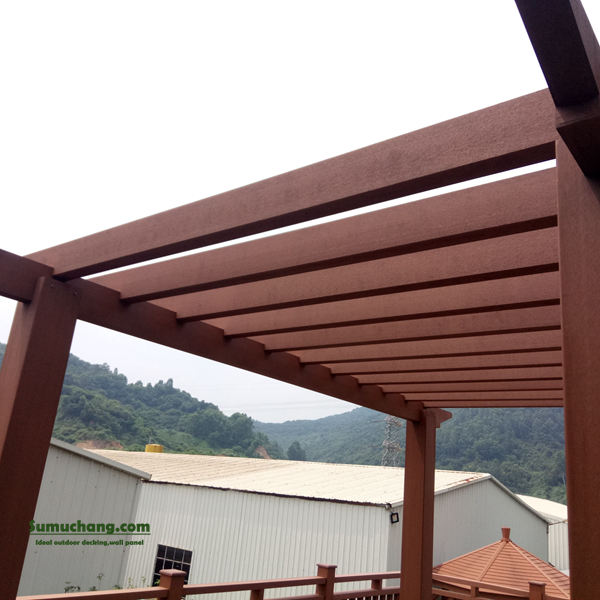
Em última análise, a decisão de escolher WPC tampado ou madeira natural deve ser influenciada pela compreensão de como cada material funciona em termos de deformação, manutenção, vida útil e segurança geral.O WPC limitado prova ser uma solução inovadora que se alinha com as demandas da vida ao ar livre contemporânea.