 Português
  English
  Español
  Français
  Deutsch
  Italiano
  Русский
  العربية
  简体中文
简体中文  香港中文
香港中文  한국어
한국어  日本語
日本語  Türkçe
  Nederlands
  Bahasa Indonesia
 Inovações em WPC Cladding Design
O design de revestimento WPC evoluiu significativamente, integrando a estética moderna com a funcionalidade.As últimas tendências refletem uma mudança para a sustentabilidade e versatilidade, evidente no uso de compósitos de madeira-plástico para várias aplicações ao ar livre.O revestimento feito de WPC não só oferece durabilidade contra os elementos, mas também atinge um impacto visual atraente que pode melhorar qualquer espaço ao ar livre.Este material combina o calor da madeira com a resiliência do plástico, resultando em revestimento que requer manutenção mínima, mantendo sua integridade estrutural ao longo do tempo.
Uma das características mais marcantes do revestimento contemporâneo do WPC é a sua capacidade de imitar madeira natural sem as desvantagens associadas a ela.Isso permite que os designers criem fachadas deslumbrantes que podem suportar umidade, raios UV e pragas.A variedade de cores e acabamentos disponíveis permite que arquitetos e designers harmonizem seus projetos com o ambiente natural, seja em áreas costeiras ou urbanas.
Texturas e acabamentos que elevam os espaços
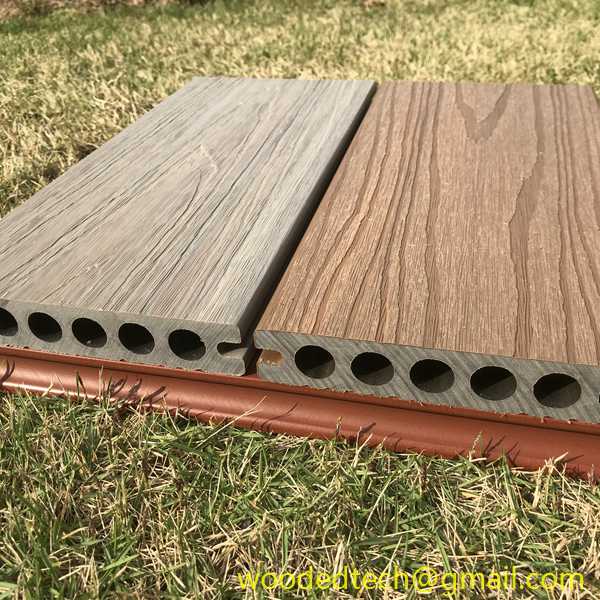
A incorporação de diversas texturas e acabamentos no design de revestimento WPC oferece uma oportunidade única para melhorar o apelo estético.Superfisões texturadas fornecem profundidade e caráter, criando uma experiência visual mais envolvente.Por exemplo, acabamentos escovados ou em relevo podem evocar a aparência de madeira recuperada, que é cada vez mais popular no design moderno.Esta abordagem não só contribui para a autenticidade do espaço exterior, mas também garante que o revestimento se destaca como uma característica, em vez de apenas um elemento funcional.
Além disso, o uso de acabamentos contrastantes pode definir linhas arquitetônicas, destacando aspectos específicos do projeto de um edifício.A combinação de acabamentos foscos e brilhantes pode criar uma interação atraente de luz e sombra, amplificando ainda mais o interesse visual.Essas opções de design permitem que os espaços externos pareçam mais dinâmicos e convidativos, incentivando a interação e o envolvimento com o ambiente.
Perfis e Projetos Modulares para Versatilidade
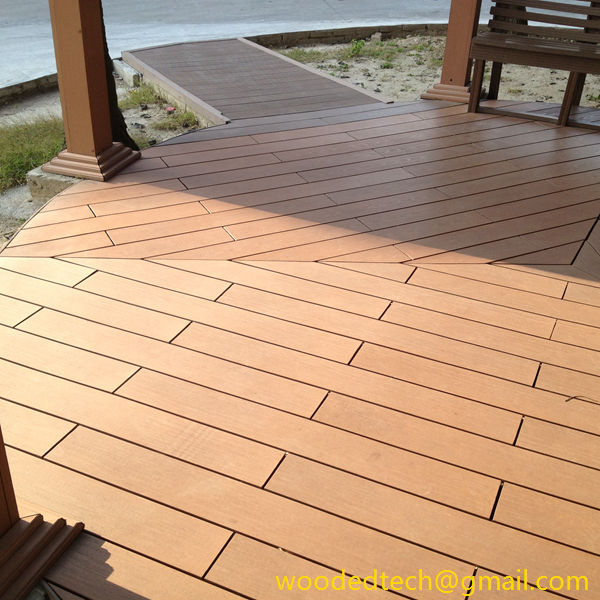
Um elemento essencial do design de revestimento WPC moderno é a ênfase em perfis e projetos modulares.Os perfis personalizados permitem que os designers experimentem formas e layouts, levando a configurações de revestimento exclusivas que se adequam a vários estilos arquitetônicos.Essa flexibilidade permite expressões criativas que podem se encaixar perfeitamente em ambientes tradicionais e contemporâneos.
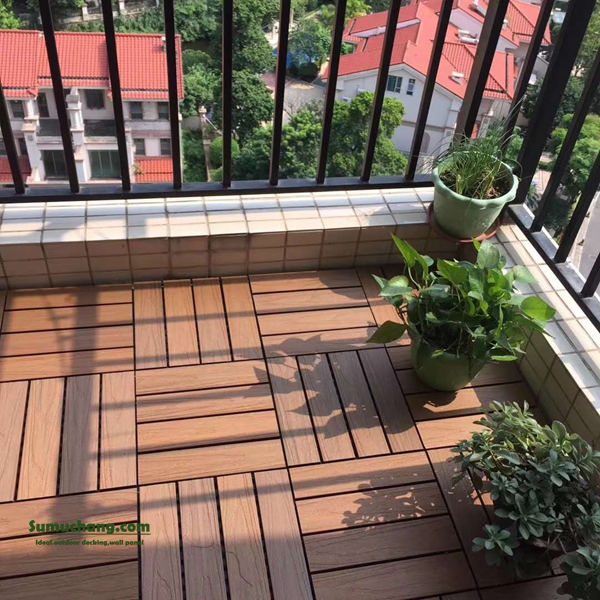
Projetos modulares facilitam a fácil instalação e manutenção, tornando-os atraentes para projetos residenciais e comerciais.Esses sistemas podem ser montados e desmontados rapidamente, fornecendo aos proprietários de edifícios opções para futuras modificações ou expansões.A facilidade de instalação também se traduz em custos e cronogramas de mão-de-obra reduzidos, tornando o revestimento WPC uma escolha prática para os construtores.
Integrando a natureza com o revestimento WPC
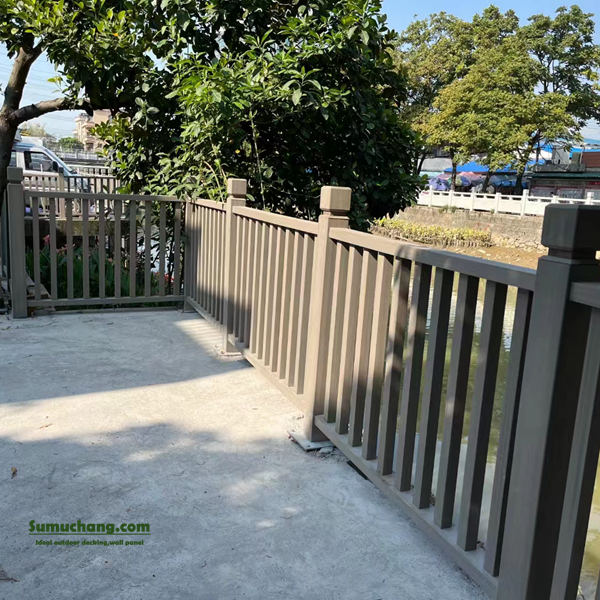
O revestimento WPC está sendo cada vez mais projetado para se integrar perfeitamente com paisagismo e espaços de vida ao ar livre.A tendência para a criação de ambientes coesos vê o revestimento usado em conjunto com outras características externas, como cercas, pergolas e gazebos.Ao empregar uma linguagem de design unificada, esses elementos trabalham juntos para formar um retiro harmonioso ao ar livre.
As cores naturais que refletem o ambiente podem melhorar essa integração, permitindo que as estruturas se misturem sem esforço com a paisagem.Por exemplo, verduras e marrons silenciados podem evocar a essência da natureza, proporcionando uma sensação orgânica aos espaços do jardim.A capacidade de personalizar opções de cores ajuda ainda mais a alcançar essa conexão, tornando o WPC uma escolha ideal para arquitetos e designers paisagistas.
Sustentabilidade em WPC Design Choices
A sustentabilidade está na vanguarda do design de revestimento WPC, impulsionado por uma crescente conscientização sobre o impacto ambiental.Muitos produtos WPC modernos são fabricados a partir de materiais reciclados, reduzindo a demanda por recursos virgens.Este foco na sustentabilidade não só atrai os consumidores eco-conscientes, mas também se alinha com as tendências regulatórias para práticas de construção mais ecológicas.
Além disso, o revestimento WPC contribui para a eficiência energética, ajudando a isolar edifícios.Isso pode resultar em custos reduzidos de aquecimento e resfriamento, tornando-se uma escolha financeiramente sólida para os proprietários.À medida que os espaços externos continuam a evoluir para extensões de áreas de estar, a incorporação de materiais sustentáveis como o WPC no design aprimora a funcionalidade e a pegada ambiental desses espaços.
As últimas ideias de design de revestimento WPC representam uma mistura de inovação, sustentabilidade e apelo estético.À medida que os espaços ao ar livre se tornam cada vez mais importantes na arquitetura residencial e comercial, o papel do WPC na formação desses ambientes não pode ser exagerado.Com sua gama diversificada de cores, texturas e perfis, o revestimento WPC oferece aos designers as ferramentas necessárias para criar áreas externas visualmente deslumbrantes e funcionais.
Ao adotar essas tendências modernas de design, arquitetos e designers podem não apenas melhorar a beleza dos espaços ao ar livre, mas também contribuir para um futuro mais sustentável.A evolução do revestimento WPC é uma prova do potencial de combinar estética com praticidade, fornecendo uma solução inovadora para o design ao ar livre contemporâneo.