 Português
  English
  Español
  Français
  Deutsch
  Italiano
  Русский
  العربية
  简体中文
简体中文  香港中文
香港中文  한국어
한국어  日本語
日本語  Türkçe
  Nederlands
  Bahasa Indonesia
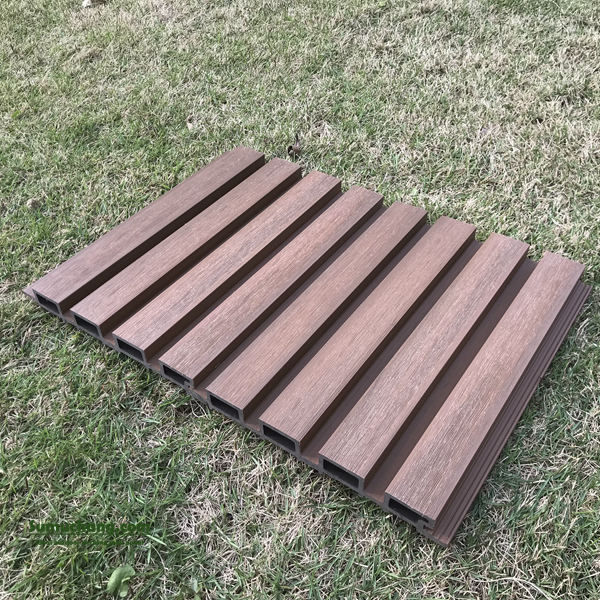
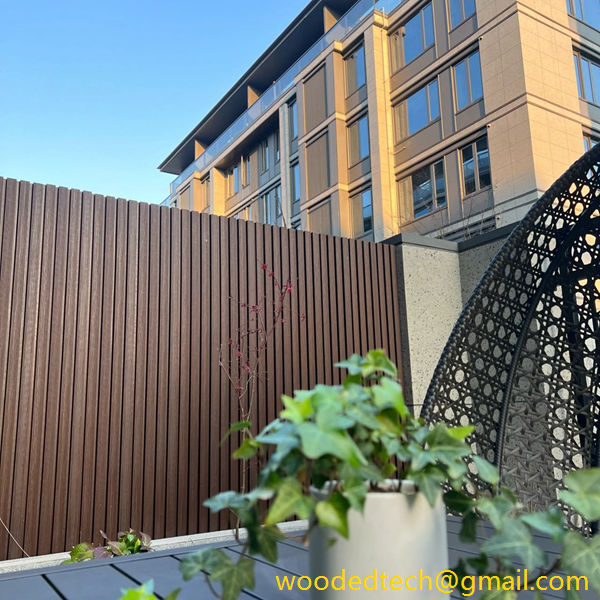
 Comparando o revestimento ripado WPC com madeira natural para paredes exteriores
A madeira natural tem sido uma escolha de longa data para revestimento exterior devido à sua estética atemporal e apelo orgânico.No entanto, ele vem com desvantagens notáveis que influenciam a viabilidade e manutenção a longo prazo.A madeira é suscetível à podridão, infestação de insetos e deformação quando exposta à umidade e às condições climáticas flutuantes.Isso requer tratamentos frequentes com conservantes, manchas ou tintas para manter sua aparência e integridade estrutural.A manutenção pode ser intensiva em mão-de-obra e cara ao longo do tempo, muitas vezes exigindo atenção sazonal.
O revestimento ripado WPC, um composto de fibras de madeira e plástico, apresenta uma alternativa atraente.Sua formulação é projetada para resistir à absorção de umidade e à degradação ultravioleta, reduzindo significativamente a probabilidade de danos causados pela podridão e insetos.A estabilidade projetada do material permite manter sua forma e acabamento com o mínimo de intervenção.Ao contrário da madeira natural, o revestimento ripado WPC não requer vedação ou pintura periódica, o que pode ser um fator decisivo para os proprietários que buscam soluções de baixa manutenção.
Revestimento tradicional de madeira e alumínio versus WPC
O revestimento tradicional de madeira, embora esteticamente agradável, muitas vezes luta com a sustentabilidade ambiental e durabilidade.A colheita de grandes quantidades de madeira levanta preocupações sobre o desmatamento e a interrupção do habitat.Também tende a ter uma vida útil limitada em aplicações ao ar livre sem manutenção extensiva.O alumínio, por outro lado, oferece excelente durabilidade e uma aparência moderna, mas pode ser propenso a amolho e pode refletir o calor excessivo, potencialmente impactando o conforto do edifício.
O revestimento ripado WPC combina o melhor dos dois mundos, utilizando materiais reciclados para reduzir o impacto ambiental, proporcionando maior durabilidade.Resiste a amassar e desbotar melhor do que o alumínio e resiste a rachaduras e fragmentações, questões comumente vistas com madeira tradicional.A natureza composta do WPC significa que ele pode simular a aparência de grãos de madeira sem as vulnerabilidades inerentes aos materiais orgânicos.Para arquitetos e construtores que procuram equilibrar aparência, sustentabilidade e desempenho, isso torna o WPC uma escolha sofisticada.
Requisitos de manutenção e considerações práticas
Um dos argumentos mais persuasivos para a escolha do revestimento ripado WPC é a redução significativa nos esforços de manutenção.Enquanto a madeira natural exige lixamento regular, manchas ou pintura, as superfícies WPC requerem apenas limpeza periódica com água e sabão para remover a sujeira e evitar o crescimento do molde.Ao contrário do alumínio, que ocasionalmente precisa de inspeção para corrosão ou danos aos revestimentos de tinta, o WPC não enferruja e mantém seu acabamento sob condições climáticas variadas.
O processo de instalação do WPC também foi projetado para ser simples, muitas vezes utilizando fixadores ocultos que aprimoram o efeito visual suave do revestimento e reduzem as necessidades de manutenção relacionadas ao hardware exposto.A resistência inerente do material à umidade significa que ele não incha ou encolhe drasticamente com mudanças de temperatura, minimizando lacunas ou desalinhamentos que podem comprometer a impermeabilização de um envelope de construção.
Análise de custo do ciclo de vida do revestimento ripado WPC
Embora o investimento inicial para o revestimento ripado WPC possa ser maior do que alguns materiais tradicionais, uma análise completa do custo do ciclo de vida revela sua vantagem econômica de longo prazo.A falta de necessidade de repintura, reselagem ou reparos frequentes se traduz em menores despesas contínuas.Além disso, a durabilidade da WPC prolonga a vida útil das paredes exteriores, reduzindo a frequência de projetos de substituição ou remodelação.
Ao considerar a eficiência energética, o revestimento WPC pode contribuir positivamente devido às suas propriedades de isolamento térmico, potencialmente diminuindo as demandas de aquecimento e resfriamento.Esse benefício, embora indireto, pode levar a economias de custos adicionais ao longo da vida útil de um edifício.Para desenvolvedores e gerentes de propriedade focados no custo total de propriedade, em vez de custos iniciais, o WPC apresenta um valor atraente.
Benefícios ambientais da escolha do revestimento WPC
A sustentabilidade é cada vez mais crítica na seleção de materiais arquitetônicos.O revestimento ripado WPC se alinha bem com os princípios de construção verde porque incorpora fibras e plásticos de madeira reciclados, desviando resíduos de aterros sanitários.Ao contrário da madeira recém-colhida, reduz a pressão sobre as florestas naturais e ajuda a conservar a biodiversidade.
Além disso, a longa vida útil e a baixa manutenção da WPC reduzem o impacto ambiental associado aos ciclos frequentes de tratamento e substituição.O processo de fabricação também evoluiu para adotar técnicas mais eficientes em termos energéticos, e muitos fornecedores oferecem produtos recicláveis no final de suas vidas de serviço.Essas credenciais ambientais fazem do WPC uma escolha responsável para os clientes com o objetivo de melhorar o perfil ecológico de um edifício.
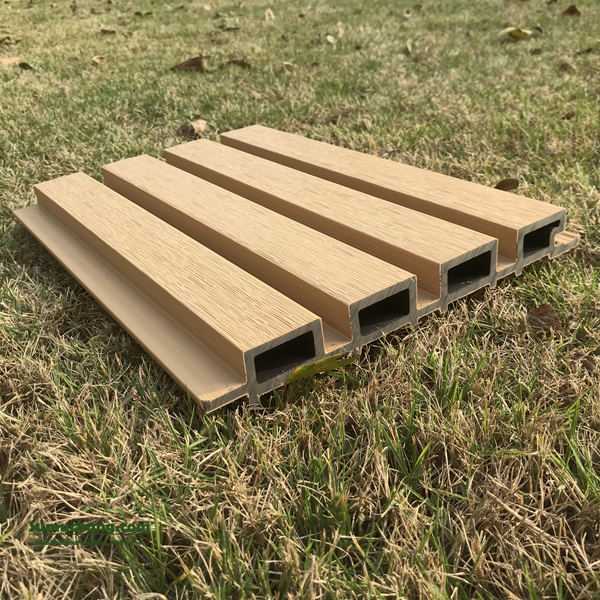
Flexibilidade visual e de design com revestimento ripado WPC
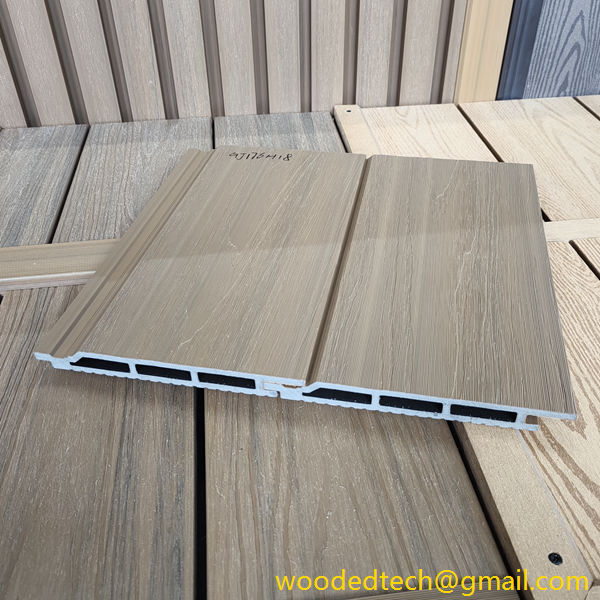
Do ponto de vista de um consultor de materiais arquitetônicos, a versatilidade do revestimento ripado WPC é notável.Ele está disponível em uma ampla gama de cores, texturas e perfis, permitindo que os designers alcancem diversos resultados estéticos.Seja buscando um visual de madeira natural ou um acabamento mais contemporâneo, a WPC pode atender a essas demandas de design sem sacrificar a durabilidade.
O formato ripado oferece uma dimensão arquitetônica adicional, fornecendo linhas de sombra e permitindo ventilação por trás do revestimento.Isso pode melhorar a respirabilidade do edifício e reduzir o acúmulo de umidade em cavidades de parede.A natureza modular das ripas simplifica os reparos ou alterações futuras, aumentando a adaptabilidade do design da parede exterior ao longo do tempo.