 English
  Español
  Français
  Português
  Deutsch
  Italiano
  Русский
  العربية
  简体中文
简体中文  香港中文
香港中文  한국어
한국어  日本語
日本語  Türkçe
  Nederlands
  Bahasa Indonesia
 Stylish Outdoor WPC Cladding for a Contemporary Look
Stylish outdoor wood-plastic composite (WPC) cladding has emerged as a popular choice for contemporary architecture, offering an appealing aesthetic while ensuring durability and low maintenance. The production process of WPC cladding combines the advantages of both wood and plastic, resulting in a material that not only looks good but also performs exceptionally well in various environmental conditions.
The primary materials used in the manufacturing of WPC cladding are wood fibers and thermoplastic resins. Wood fibers, sourced from recycled wood waste, contribute to the natural appearance of the cladding, while thermoplastic resins provide the necessary structural integrity and resistance to moisture. The careful selection of these materials is crucial, as it affects the final product’s strength, durability, and visual appeal.
The production process begins with the preparation of raw materials. The wood fibers are processed into a fine powder, ensuring uniformity and consistency. This step is vital as it directly influences the appearance and texture of the final cladding. The plastic resin, typically polyethylene or polypropylene, is also prepared during this stage. The combination of these materials is done in a way that maximizes their beneficial properties while minimizing any potential drawbacks.

Next, the blending process takes place. The wood fibers and plastic resin are mixed together in a specific ratio, typically around 60 percent wood fibers to 40 percent plastic. This blend is then subjected to heat and pressure in an extrusion machine. The heat causes the plastic to melt, allowing it to fully encapsulate the wood fibers. The result is a homogeneous mixture that is both strong and lightweight. The extrusion process not only shapes the material but also enhances its durability, making it resistant to warping, cracking, and fading.
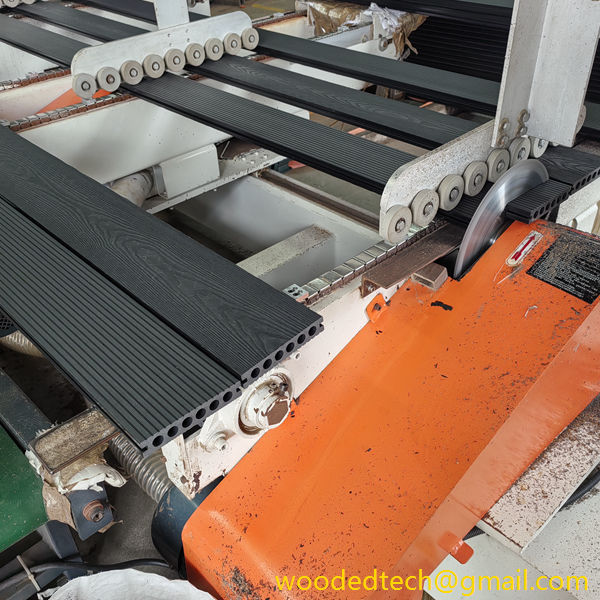
Once the material is extruded, it is cooled and cut into planks or panels of desired sizes. At this stage, additional treatments can be applied to enhance the color and finish of the WPC cladding. Manufacturers often use pigments and additives that provide UV resistance, ensuring that the cladding retains its color and does not degrade under sunlight exposure. This is particularly important for outdoor applications where prolonged exposure to the elements is inevitable.
After cutting and finishing, the WPC cladding undergoes quality control inspections. These inspections assess the physical properties of the product, such as density, strength, and moisture content. Ensuring that each batch meets stringent quality standards is essential for maintaining the reputation of the product and satisfying customer expectations.

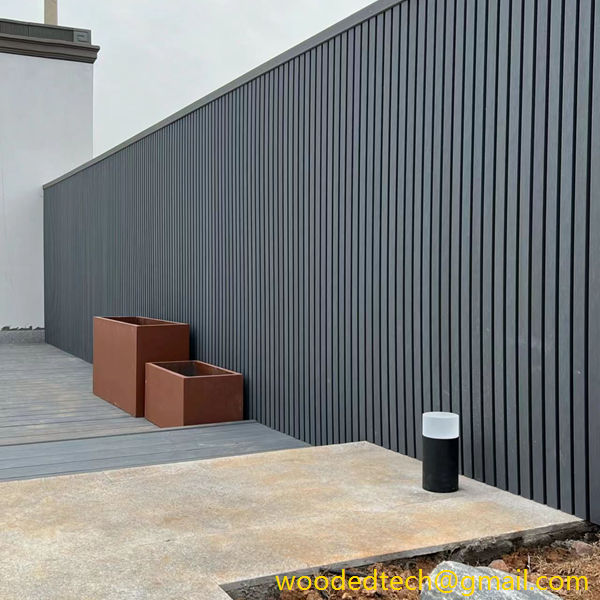
The versatility of WPC cladding allows it to be used in a range of applications, from residential homes to commercial buildings. Its stylish appearance can complement various architectural designs, making it a favored choice for contemporary settings. The natural wood-like finish combined with the durability of plastic creates an attractive exterior that enhances the overall aesthetic of any structure.
Moreover, WPC cladding is an environmentally friendly option. By utilizing recycled wood fibers and reducing the need for virgin timber, this material contributes to sustainable building practices. The production process itself is designed to minimize waste and energy consumption, further underscoring its eco-friendly credentials.
Installation of WPC cladding is relatively straightforward, as it can be cut and shaped using standard woodworking tools. This ease of installation not only saves time and labor costs but also allows for greater design flexibility. The lightweight nature of WPC panels makes them easy to handle, and their interlocking systems ensure a secure fit, reducing the risk of gaps or misalignment.
WPC cladding requires minimal maintenance compared to traditional wood materials. It does not need regular sealing or staining, and cleaning can typically be done with just soap and water. This low maintenance requirement appeals to homeowners and builders looking for a hassle-free exterior solution.
The stylish outdoor WPC cladding stands out in the contemporary market due to its combination of aesthetic appeal, durability, and environmental benefits. Through a comprehensive production process that emphasizes quality and sustainability, WPC cladding has positioned itself as a leading choice for modern architecture. As builders and architects continue to seek innovative materials that meet both functional and visual demands, WPC cladding is likely to remain at the forefront of design trends. With its unique blend of wood and plastic, it not only enhances the visual appeal of buildings but also aligns with the growing emphasis on sustainable construction practices. The future of architectural design will undoubtedly embrace materials like WPC cladding, reflecting a commitment to both beauty and environmental responsibility.