 English
  Español
  Français
  Português
  Deutsch
  Italiano
  Русский
  العربية
  简体中文
简体中文  香港中文
香港中文  한국어
한국어  日本語
日本語  Türkçe
  Nederlands
  Bahasa Indonesia
 Understand the Pros and Cons of Composite Decking Before You Buy
When considering the purchase of composite decking, it is essential to weigh the advantages and disadvantages to make an informed decision. Composite decking has gained popularity in recent years, primarily due to its durability and low maintenance requirements. However, a thorough understanding of its global production capacity and pricing dynamics can further influence your choice.
One of the most significant advantages of composite decking is its resistance to various environmental factors. It is designed to withstand moisture, UV rays, and temperature fluctuations, which are critical considerations for outdoor materials. Unlike traditional wood decking, composite materials do not warp or splinter, reducing the risk of injury and the need for frequent replacements. This durability means that homeowners can enjoy their decks longer without the need for extensive upkeep, making it a more convenient option.

From a global perspective, the production capacity of composite decking has expanded significantly. Countries such as the United States, Canada, and several European nations have established advanced manufacturing facilities that produce a wide range of composite products. This expansion has led to increased competition among manufacturers, which can be beneficial for consumers. As production increases, companies are often able to lower their prices while maintaining quality, making composite decking more accessible to a broader audience.
Moreover, many manufacturers are now focusing on sustainability. Composite decking is often made from recycled materials, such as plastic and wood fibers, which can reduce the environmental footprint of construction projects. This appeal to eco-conscious consumers can further drive demand and influence pricing strategies. As more companies adopt sustainable practices, the market for composite decking is likely to grow, potentially leading to even better pricing for consumers in the future.
However, it is also crucial to consider the potential drawbacks of composite decking. One of the primary concerns is the initial cost. Although prices for composite materials have become more competitive, they can still be significantly higher than traditional wood options. Homeowners on a tight budget may find it challenging to justify the upfront investment. While composite decking can save money in maintenance over time, the initial expense can be a barrier for some.
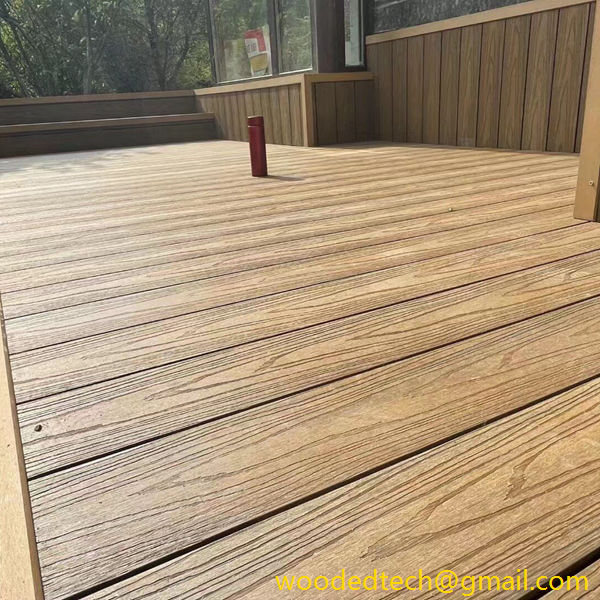
Another disadvantage is the aesthetic appeal. While composite decking has come a long way in mimicking the look of natural wood, some homeowners still prefer the authentic appearance and feel of traditional timber. The color and grain variations that can be achieved with natural wood are often difficult to replicate in composite materials. This factor can be particularly important for those looking to create a specific ambiance in their outdoor space.

Additionally, it is worth noting that while composite decking is designed to be low maintenance, it is not entirely maintenance-free. Regular cleaning is still necessary to prevent mold and mildew buildup, especially in humid climates. Homeowners need to be prepared for some level of upkeep, which may not be ideal for everyone.
When considering the price advantage of composite decking on a global scale, it is essential to account for factors such as transportation costs and regional pricing strategies. For instance, composite materials produced in regions with lower labor costs may be more affordable than those manufactured in countries with higher production expenses. As a result, consumers should investigate local suppliers and compare prices to ensure they are getting the best deal possible.
Another aspect to consider is the warranty and support provided by manufacturers. Many leading brands offer extensive warranties on their products, which can provide peace of mind for buyers. Understanding the terms and conditions of these warranties can help consumers assess the long-term value of their investment. Additionally, good customer service and support can enhance the overall experience of purchasing and installing composite decking.
In selecting the right composite decking for your needs, it is vital to explore various options available in the market. Consider factors such as color, texture, and brand reputation. Reading customer reviews and seeking recommendations from friends or family who have experience with composite decking can provide valuable insights. Doing thorough research and understanding the pros and cons will lead to a more satisfying purchase decision.
Ultimately, whether you choose composite decking or another material depends on your specific needs, preferences, and budget. By carefully evaluating the benefits and drawbacks, along with the global dynamics of production and pricing, you can make a well-informed choice that enhances your outdoor living space for years to come.