 English
  Español
  Français
  Português
  Deutsch
  Italiano
  Русский
  العربية
  简体中文
简体中文  香港中文
香港中文  한국어
한국어  日本語
日本語  Türkçe
  Nederlands
  Bahasa Indonesia
 Versatile Outdoor WPC Panel for All Your Design Needs
The demand for versatile building materials has surged in recent years, with homeowners and designers seeking options that blend aesthetics with sustainability. One such material that has gained prominence is Wood Plastic Composite, commonly referred to as WPC. This innovative product combines the benefits of wood and plastic, making it an ideal choice for outdoor applications. The manufacturing process of WPC panels plays a crucial role in defining their characteristics, durability, and suitability for diverse design needs.
The production of WPC panels begins with the careful selection of raw materials. The primary components of WPC are wood fibers and thermoplastic polymers. The wood fibers used can be sourced from various types of wood, including recycled wood products, which significantly enhances the sustainability of the material. The choice of polymer, often polyethylene or polypropylene, is equally important as it influences the panel’s strength, flexibility, and resistance to environmental factors. The blend of these materials must be optimized to achieve the ideal balance between durability and aesthetic appeal.
Once the raw materials are selected, they undergo a process known as compounding. During compounding, the wood fibers and plastic are mixed together with additives such as colorants and UV stabilizers. These additives are crucial as they enhance the appearance of the panels while also providing protection against UV radiation, which can cause fading and degradation over time. The compounding process is typically carried out using an extruder, a machine that applies heat and pressure to ensure a uniform blend. This step is vital for achieving the desired properties of the final product.
Following compounding, the mixture is shaped into panels through a process called extrusion. In this stage, the composite material is forced through a mold, resulting in continuous planks or sheets of WPC. The extrusion temperature and speed are carefully controlled, as these factors can significantly affect the texture and finish of the panels. For instance, a higher temperature can lead to a smoother surface, while a lower temperature may create a more textured finish that mimics natural wood grain. Additionally, the extrusion process allows for the creation of various profiles, enabling designers to choose from a range of styles that suit their specific needs.

Cooling and cutting are the subsequent steps in the production line. After the panels are extruded, they need to be cooled down to solidify their shape. This is typically achieved using a water bath or air cooling system. Once cooled, the panels are cut to the desired lengths and widths, ready for packaging and distribution. Quality control is an essential part of this stage, ensuring that each panel meets the required standards for strength, appearance, and performance.
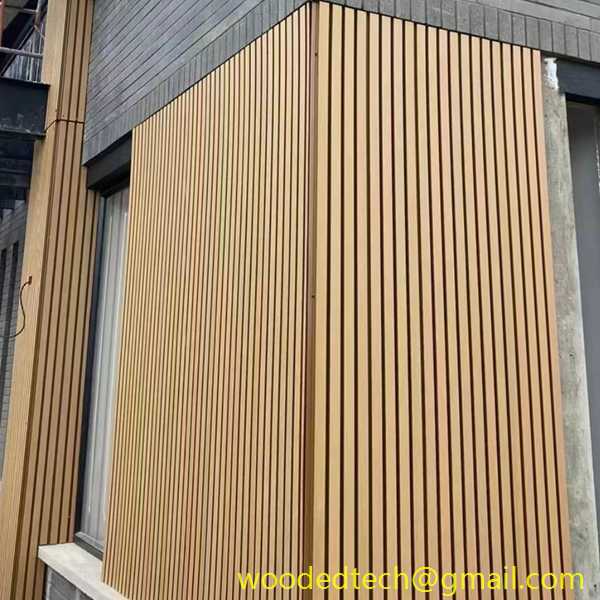
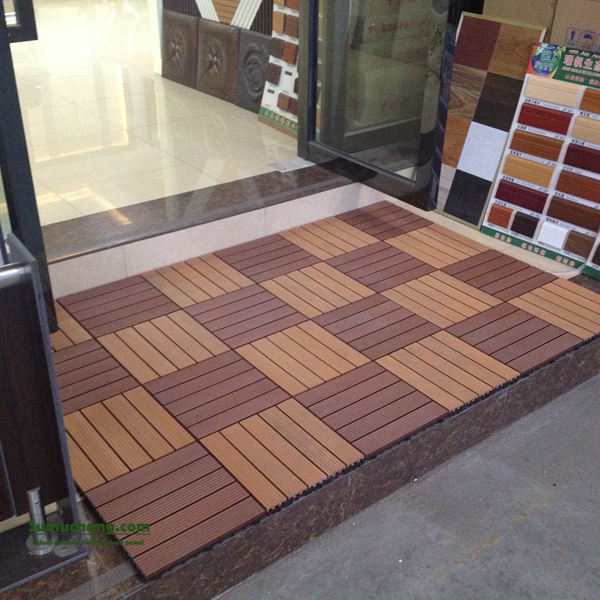
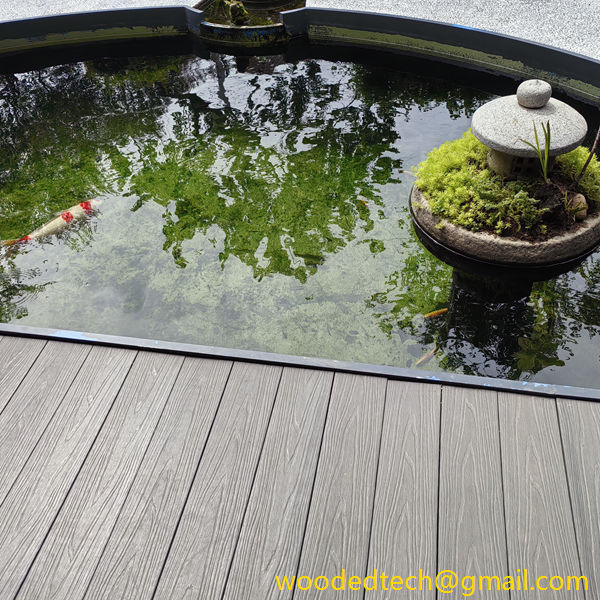
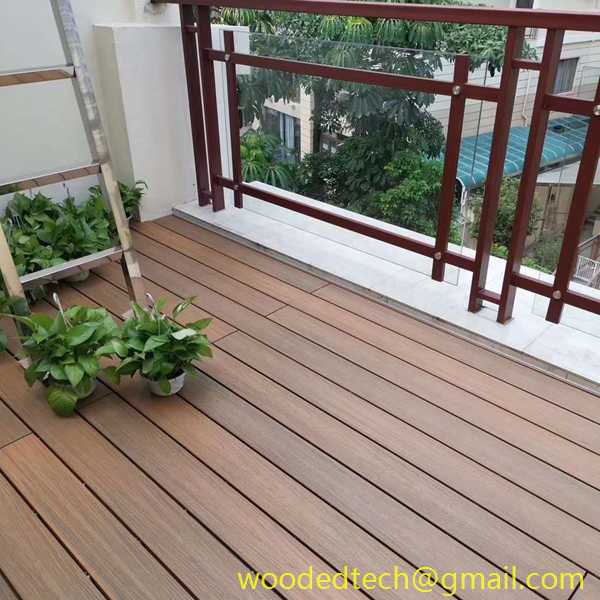
One of the significant advantages of WPC panels is their versatility in design applications. Due to their ability to mimic the look of natural wood, WPC panels can be used in a wide variety of outdoor settings, including decking, fencing, and cladding. The material can be easily customized in terms of color and texture, allowing designers to create cohesive outdoor spaces that reflect their vision. Furthermore, WPC panels are available in various sizes and thicknesses, providing flexibility for different project requirements.

Durability is another key attribute of WPC panels. Unlike traditional wood, WPC is resistant to moisture, insects, and rot, making it an ideal choice for outdoor environments that are exposed to harsh weather conditions. This durability translates into lower maintenance requirements, as WPC does not need to be stained or sealed regularly. A simple wash with soap and water is usually sufficient to keep the panels looking new. This low-maintenance nature appeals to homeowners and businesses alike, as it allows them to enjoy their outdoor spaces without the burden of extensive upkeep.
In addition to their practical benefits, WPC panels also contribute to environmental sustainability. The incorporation of recycled materials in their production process reduces waste and minimizes the demand for new resources. Furthermore, WPC panels are recyclable at the end of their life cycle, aligning with the growing emphasis on sustainable building practices. This eco-friendly aspect resonates with consumers who are increasingly conscious of their environmental impact.
WPC panels have established themselves as a versatile and practical choice for outdoor applications. Their unique combination of materials allows for a range of design options, ensuring that they meet various aesthetic demands while providing durability and low maintenance. As the industry continues to innovate and develop new production techniques, the potential for WPC panels in design applications is boundless. Whether for residential or commercial projects, these panels offer a reliable solution that meets the needs of modern design while promoting sustainability.