 English
  Español
  Français
  Português
  Deutsch
  Italiano
  Русский
  العربية
  简体中文
简体中文  香港中文
香港中文  한국어
한국어  日本語
日本語  Türkçe
  Nederlands
  Bahasa Indonesia
 The Advantages of 4.8 Composite Decking Boards
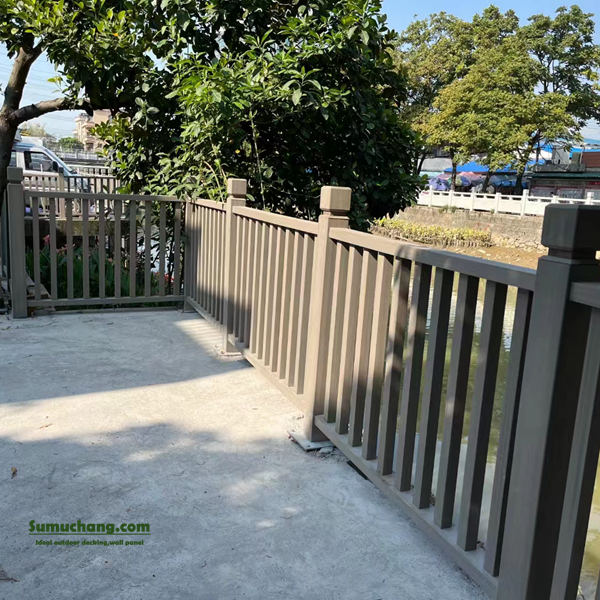
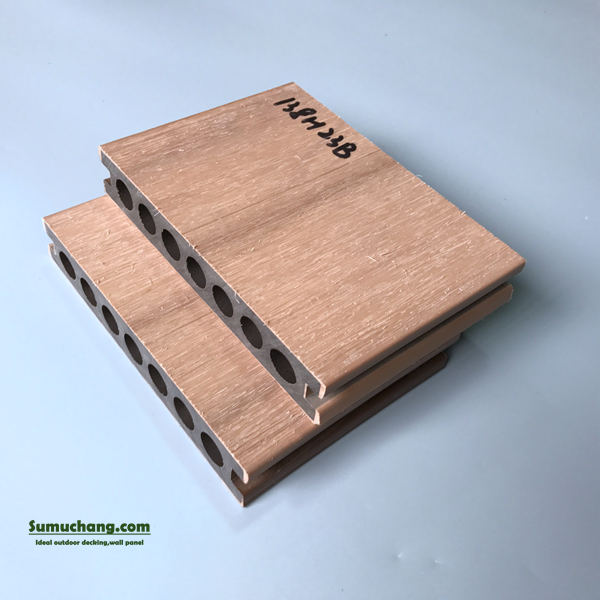
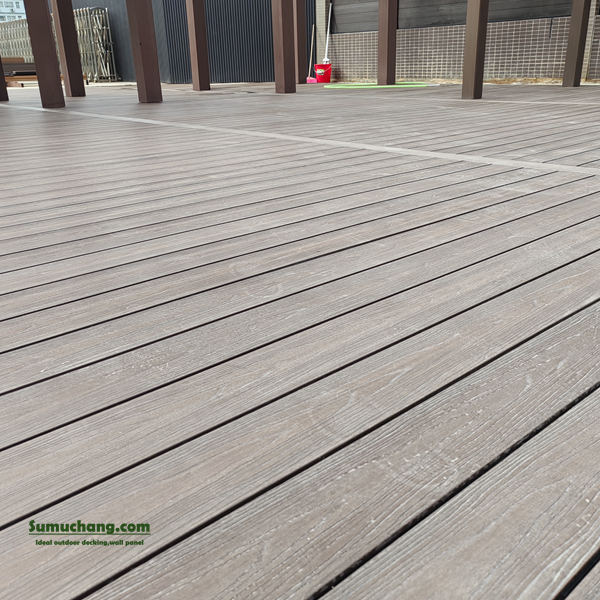
4.8 composite decking boards have emerged as a preferred choice for landscape architects and designers looking to create sustainable and durable outdoor environments. The composite material, typically a blend of wood fibres and recycled plastic, offers the aesthetic appeal of wood while providing enhanced durability and low maintenance. This makes it particularly suitable for outdoor projects, where exposure to the elements can quickly deteriorate traditional materials. With 4.8 composite boards, professionals can design spaces that not only look attractive but also withstand the rigours of weather and foot traffic.
One of the standout features of these boards is their resistance to moisture and pests. Unlike traditional wood, which can warp, crack, or rot over time, composite decking maintains its integrity even in moist conditions. This is especially beneficial for projects in regions with high humidity or frequent rainfall. Furthermore, the material is less inviting to insects, which can be a significant advantage in outdoor settings.
Material Selection for Outdoor Projects
When selecting materials for outdoor projects, architects and designers must consider a variety of factors, including durability, maintenance requirements, and environmental impact. 4.8 composite decking boards excel in these areas, making them an appealing option for a wide range of applications. Whether designing a public park, a private garden, or a commercial space, the longevity of composite boards can lead to significant cost savings over time, as they require less frequent replacement and upkeep than conventional wood decking.
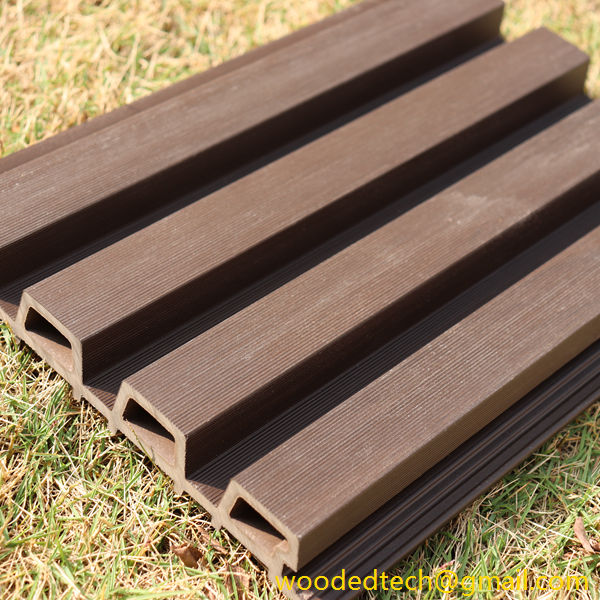
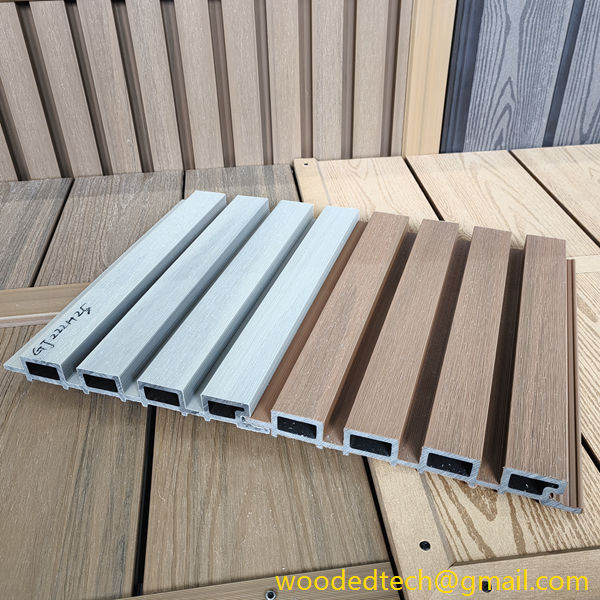
Moreover, the variety of textures and colours available in 4.8 composite boards allows for creative freedom in design. Landscape designers can create bespoke looks that complement the natural surroundings or align with specific architectural themes. This versatility is particularly advantageous in urban environments where aesthetics play a significant role in public acceptance and engagement.
Environmental Considerations in Material Choice
Sustainability is increasingly at the forefront of design decisions, and 4.8 composite decking boards offer an environmentally friendly option. Made from recycled materials, their production helps to reduce waste and minimise the need for virgin resources. This aligns with the growing demand for eco-conscious building materials. As a landscape engineering consultant, I strongly advocate for the use of products that not only meet the aesthetic and functional needs of a project but also contribute positively to the environment.
Incorporating 4.8 composite boards into landscape designs can help achieve sustainability goals while also providing a natural look and feel. The boards can easily blend into outdoor settings, promoting a sense of harmony with nature. This is especially significant in projects aiming for certifications like BREEAM or LEED, where sustainable material usage is a key consideration.
Project Considerations for WPC Decking
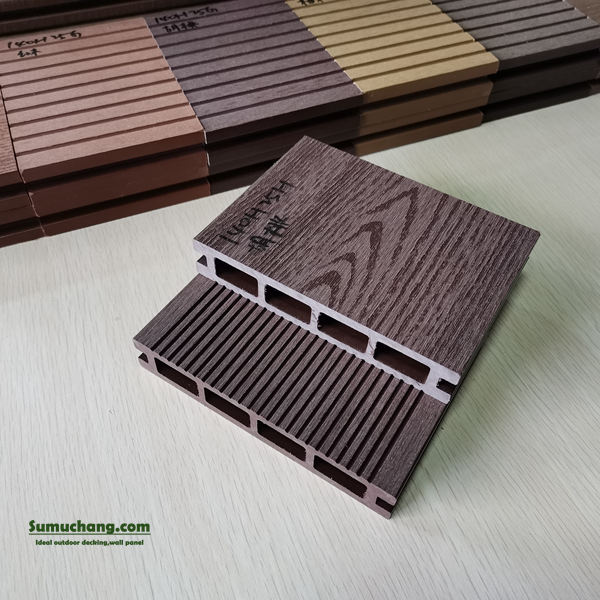
When planning an outdoor project involving composite decking, it’s essential to take into account the specific requirements of the site. Factors such as climate, intended use, and foot traffic will affect the choice of materials. For high-traffic areas, 4.8 composite decking boards provide an ideal balance of comfort and durability, ensuring that the decks remain safe and visually pleasing over time.
Additionally, the installation process for composite decking tends to be straightforward, making it feasible for contractors and builders to implement effectively. However, attention must be paid to the substructure support and proper drainage to enhance the longevity of the decking. A well-designed foundation not only prolongs the life of the boards but also prevents issues related to water pooling and moisture accumulation.
Design Flexibility with 4.8 Composite Decking
The design possibilities are nearly endless with 4.8 composite decking boards. Their uniformity and ease of cutting allow builders to create intricate patterns, levels, and structures that can enhance the overall aesthetic of the outdoor space. For instance, multi-level decks can provide visually appealing outdoor living areas that cater to various activities, from relaxation to entertainment.
Furthermore, the ability to incorporate features such as lighting, benches, or planters into the decking design can transform a simple area into a multifunctional space. Landscape architects can use these boards to create seamless transitions between indoor and outdoor areas, reinforcing the connection to nature while providing functional spaces for users.
Long-Term Benefits of Choosing Composite Decking
The long-term benefits of choosing 4.8 composite decking boards extend beyond aesthetics and functionality. Their resistance to fading, scratching, and staining means that they will retain their appearance for years, reducing the need for treatments or replacements. This not only saves costs but also ensures that the outdoor space remains inviting and well-maintained throughout its life span.
Moreover, the safety features of composite decking should not be overlooked. The non-slip surface offers added peace of mind, particularly in wet conditions, making it an excellent choice for areas around pools or in climates prone to rain. These factors make 4.8 composite boards an intelligent investment for any project aiming to create a safe, beautiful, and enduring outdoor environment.