 English
  Español
  Français
  Português
  Deutsch
  Italiano
  Русский
  العربية
  简体中文
简体中文  香港中文
香港中文  한국어
한국어  日本語
日本語  Türkçe
  Nederlands
  Bahasa Indonesia
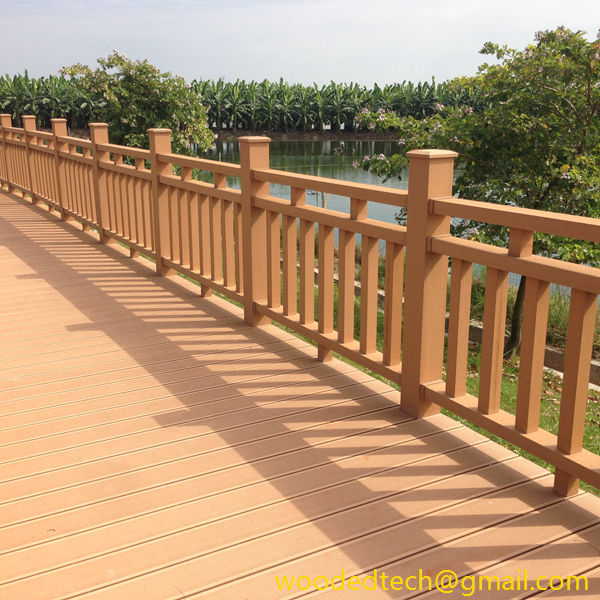
 Wood-plastic composite decking has emerged as a popular choice for sustainable outdoor living solutions, primarily due to its unique combination of durability, aesthetic appeal, and environmental benefits. The global distribution of production capacity and the associated pricing advantages play a significant role in the growing adoption of this material, making it a viable alternative to traditional wood decking.
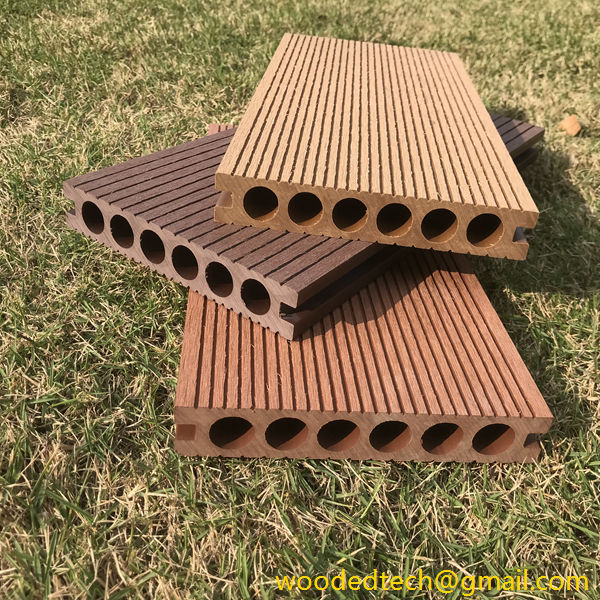
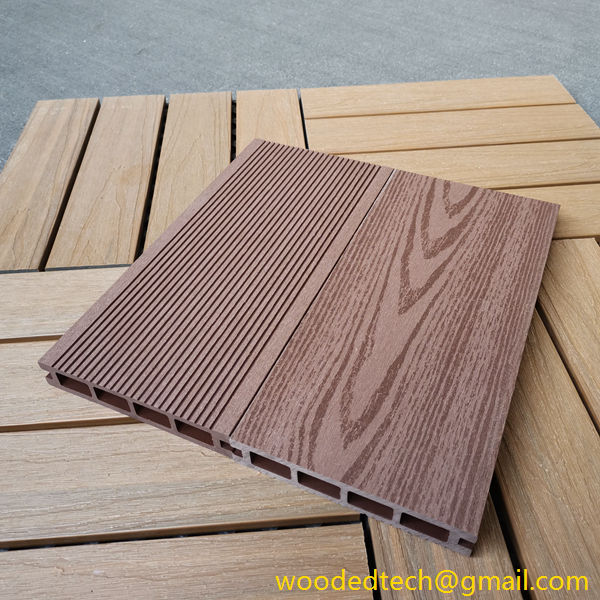
The production of wood-plastic composites involves combining wood fibers or flour with thermoplastic resins. This process results in a material that retains the natural look of wood while offering enhanced durability and resistance to the elements. As a result, wood-plastic composite decking is less prone to warping, splintering, and decay compared to traditional wood. This longevity not only reduces the need for frequent replacements but also minimizes waste, contributing to a more sustainable approach to outdoor living.
From a global perspective, the production capacity for wood-plastic composites is distributed across several key regions, including North America, Europe, and Asia. North America, particularly the United States, has been a leader in the production of wood-plastic composites, driven by a strong demand for eco-friendly building materials. The presence of established manufacturers and innovative companies in this region has fostered advancements in product quality and performance. Additionally, the growing awareness of environmental issues has spurred consumers to seek out sustainable alternatives, further boosting the market for composite decking.

Europe also plays a significant role in the global wood-plastic composite market. European countries have stringent regulations regarding environmental sustainability and resource management. This has led to increased investment in the development of composite materials that meet these regulations. Moreover, European consumers are increasingly prioritizing sustainability in their purchasing decisions, which has further propelled the demand for wood-plastic composite decking. The region’s emphasis on recycled materials and eco-friendly production processes aligns well with the inherent characteristics of wood-plastic composites.
In Asia, the market for wood-plastic composites is rapidly expanding, driven by urbanization and an increasing focus on sustainable construction practices. Countries like China and Japan are investing heavily in the production of these materials, capitalizing on their growing construction industries. The availability of affordable raw materials and labor in these regions presents a pricing advantage, allowing manufacturers to offer competitive pricing while maintaining quality. As consumers in Asia become more environmentally conscious, the demand for wood-plastic composite decking is expected to rise, further strengthening the market.
Pricing plays a crucial role in the adoption of wood-plastic composite decking. While the initial cost of composite materials can be higher than that of traditional wood, the long-term savings associated with lower maintenance and replacement costs can make them a more economical choice. The durability and resistance to weathering of wood-plastic composites mean that homeowners can enjoy their outdoor spaces without the constant upkeep associated with natural wood. This cost-effectiveness, combined with the environmental benefits, positions wood-plastic composite decking as an attractive option for consumers looking to invest in sustainable outdoor living solutions.
Moreover, the advancements in manufacturing technologies and economies of scale have contributed to the decreasing prices of wood-plastic composites. As production capacity increases and more players enter the market, competition drives prices down, making these materials more accessible to a broader audience. This trend is particularly evident in regions with emerging markets, where the growing middle class is eager to invest in quality outdoor living products.

The environmental advantages of wood-plastic composite decking extend beyond its durability and longevity. By utilizing recycled materials, such as reclaimed wood fibers and post-consumer plastics, the production of these composites reduces reliance on virgin resources. This not only helps to conserve forests but also promotes recycling and waste reduction. As consumers become more aware of their environmental impact, the demand for products like wood-plastic composite decking that align with sustainable living practices is likely to continue to increase.
In the context of sustainable outdoor living, wood-plastic composite decking represents a harmonious balance between functionality, aesthetics, and environmental stewardship. With its diverse global production landscape and competitive pricing advantages, this innovative material is well-positioned to meet the demands of eco-conscious consumers seeking long-lasting and beautiful outdoor solutions. As the market evolves and more advancements are made, wood-plastic composites will likely play an increasingly vital role in shaping the future of outdoor living spaces.