 English
  Español
  Français
  Português
  Deutsch
  Italiano
  Русский
  العربية
  简体中文
简体中文  香港中文
香港中文  한국어
한국어  日本語
日本語  Türkçe
  Nederlands
  Bahasa Indonesia
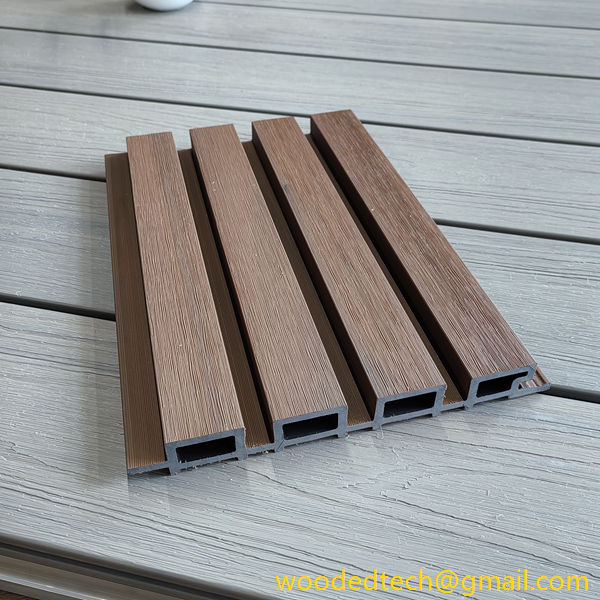
 WPC cladding, or Wood Plastic Composite cladding, has emerged as a popular choice for enhancing the exterior beauty of buildings. Its unique blend of wood fibers and plastic materials provides a range of benefits that make it an attractive option for homeowners and builders alike. When considering WPC cladding for walls, it is essential to understand not only its aesthetic appeal but also the installation and maintenance aspects that contribute to its longevity and performance.
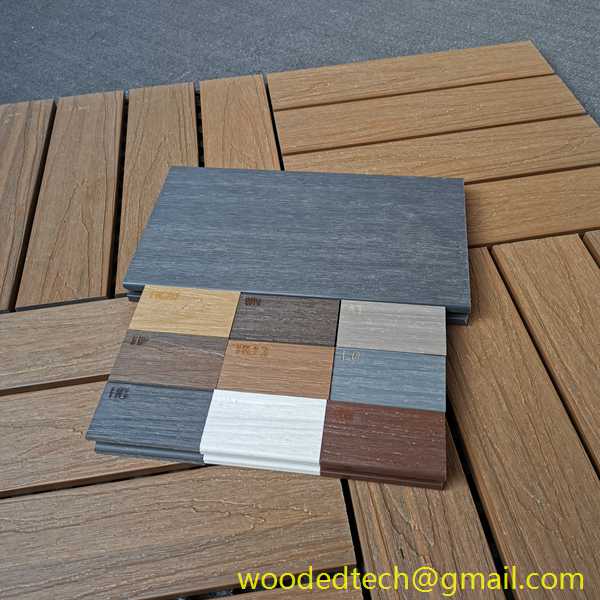
The installation of WPC cladding requires careful planning and consideration to ensure that the final result meets both aesthetic and functional expectations. First, it is crucial to select the right type of WPC cladding for the specific application. Various styles, colors, and textures are available, allowing for customization that complements the architectural style of the building. The selection process should also involve assessing the local climate and environmental conditions, as these factors can influence the performance and durability of the cladding material.
Once the appropriate WPC cladding has been chosen, the next step involves preparing the wall surface. It is essential to ensure that the underlying structure is clean, dry, and free from any debris. Any existing paint, old cladding, or imperfections should be addressed to provide a smooth and stable surface for the installation. Proper preparation can significantly enhance the adhesion and overall performance of the WPC cladding.

The installation process itself involves several key steps. First, a moisture barrier may be applied to the wall to protect against moisture penetration, which can lead to mold and decay. Next, a framework of furring strips or battens is typically installed to create a level surface for the cladding boards. This framework allows for proper ventilation and drainage, which are critical for maintaining the integrity of the cladding over time.
WPC cladding boards are then attached to the framework using screws or hidden fastening systems. It is important to follow the manufacturer’s guidelines regarding spacing and installation techniques to ensure that the cladding is securely fastened and able to withstand environmental stresses. Additionally, using the correct tools and safety equipment during installation is essential to achieve a professional finish and avoid injuries.
Maintenance of WPC cladding is relatively straightforward, which adds to its appeal as an exterior cladding solution. Unlike traditional wood cladding, which may require regular painting or staining, WPC cladding is designed to retain its color and finish with minimal upkeep. However, periodic cleaning is recommended to remove dirt, grime, and any organic growth that may accumulate over time. A simple wash with soap and water, along with a soft brush or cloth, is usually sufficient to keep the cladding looking fresh and appealing.
In areas with high humidity or exposure to moisture, it is essential to monitor the cladding for any signs of mold or mildew. If any discoloration is observed, a diluted bleach solution can be applied to treat the affected areas. It is crucial to rinse the area thoroughly afterward to prevent any residual bleach from damaging the material. Regular inspection of the cladding can help identify any potential issues early on, allowing for timely repairs or maintenance.

One of the significant advantages of WPC cladding is its resistance to pests, such as termites and other wood-boring insects. This feature reduces the need for chemical treatments or pesticides, making it a more environmentally friendly option. Furthermore, WPC cladding is not susceptible to warping, cracking, or splintering, which are common problems associated with traditional wood materials. This durability ensures that the cladding maintains its aesthetic appeal and structural integrity for many years.
In addition to its practical benefits, WPC cladding also contributes to energy efficiency. By providing an extra layer of insulation, it can help regulate indoor temperatures, reducing heating and cooling costs. This energy efficiency not only supports sustainability efforts but also enhances the overall comfort of the living space.
Selecting WPC cladding for exterior walls can significantly enhance the beauty and functionality of a building. The combination of aesthetic appeal, ease of installation, and minimal maintenance requirements makes it a practical choice for homeowners and builders looking to elevate their property’s exterior. With the right preparation and care, WPC cladding can provide a stunning and durable solution that stands the test of time, making any building a more attractive and comfortable place to live or work.