 简体中文
简体中文  English
  Español
  Français
  Português
  Deutsch
  Italiano
  Русский
  العربية
  香港中文
香港中文  한국어
한국어  日本語
日本語  Türkçe
  Nederlands
  Bahasa Indonesia
 Preparing the Concrete Surface
Before installing a composite deck over a concrete porch, it is essential to prepare the concrete surface adequately. Start by inspecting the existing concrete for cracks, chips, or any uneven areas. Any imperfections can hinder the installation process and result in an unstable final product. If necessary, repair these issues using a concrete patching compound, ensuring a smooth and level surface. Additionally, clean the concrete thoroughly to remove dirt, debris, or oil. A clean surface ensures proper adhesion and prevents moisture retention that could affect the longevity of the composite decking.
Once the surface is clean and repaired, consider applying a sealant to protect the concrete from moisture damage. This step is particularly important in areas with high humidity or frequent rain. Proper sealing will help create a barrier against water infiltration, which could compromise the integrity of both the concrete and the composite deck.
Choosing the Right Composite Decking Material
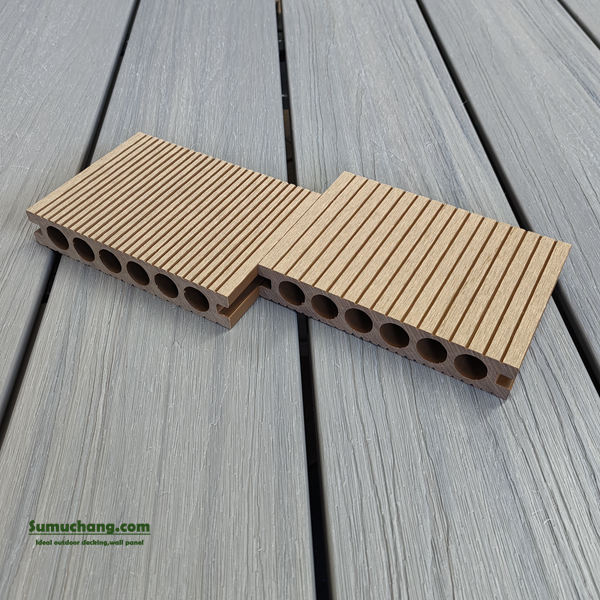
The selection of composite decking material is crucial for long-term performance and aesthetics. Various types of composite decking are available, each with unique features and benefits. When choosing material, consider factors such as durability, colour options, and resistance to fading. High-quality composite decks are designed to withstand harsh outdoor conditions, offering a longer lifespan compared to traditional wood decking. Look for options that incorporate UV protection to prevent colour deterioration over time.
Additionally, pay attention to the weight of the composite boards. Installing a composite deck over concrete will require an understanding of the load-bearing capacity of the concrete porch. Ensure that the chosen decking material can adequately support the weight of the boards and any additional components, such as furniture or planters. Opting for lightweight, yet strong composite materials can ease the installation process while ensuring safety and stability.
Installing a Joist System
To install composite decking over concrete, a robust joist system is necessary. This structure will form the framework that supports the decking boards. Begin by determining the spacing of the joists, which is typically 16 inches apart on centre. Use treated lumber or metal joists as they are resistant to moisture and decay. Position the joists perpendicular to the direction in which the composite boards will run.
Secure the joists to the concrete using appropriate fasteners, ensuring they are anchored firmly to prevent movement. Some installers choose to use a layer of rubber or foam pads beneath the joists to create a cushioning effect and to further insulate against moisture. This additional layer can also help with sound dampening, particularly beneficial in areas where noise levels could be an issue.

Installing Composite Deck Boards
Once the joist system is in place, the installation of the composite deck boards can begin. Start from one end of the porch and lay the boards in the desired direction. Typically, boards are installed parallel to the house for visual appeal and accessibility. Ensure there is an appropriate gap between each board for expansion and contraction, typically 1/8 inch. This spacing is crucial, especially as temperatures fluctuate throughout the seasons.
Use hidden fasteners or clips specifically designed for composite decking to secure the boards. These fasteners provide a clean and polished look while also allowing for movement. Follow the manufacturer’s guidelines for installation to ensure the warranty remains intact and the boards perform as expected over time. It is advisable to pre-drill holes in the boards for the fasteners to avoid splitting, particularly in colder climates where the decking material may be more brittle.
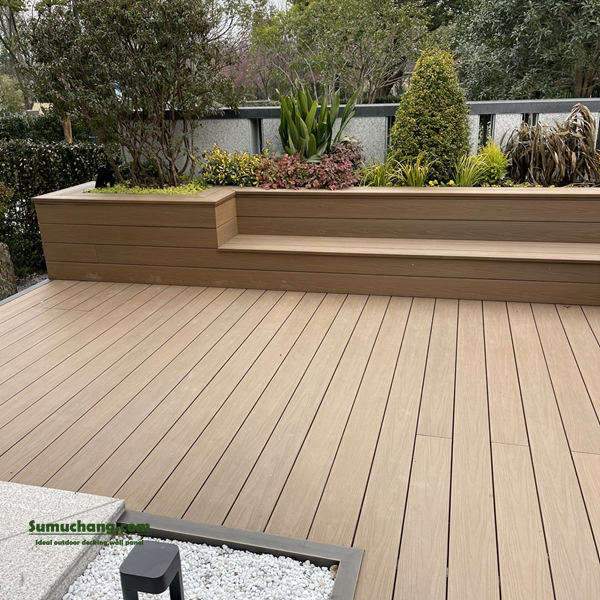
完成触摸和维护
After installing the composite deck over the concrete porch, attention to detail in the finishing touches enhances both aesthetics and functionality. Consider adding trim pieces along the edges for a polished look. This not only provides a clean transition between the deck and the concrete but also protects the edges of the boards from wear and tear.
Regular maintenance of the composite deck is straightforward. Cleaning the surface occasionally with mild soap and water will prevent dirt and grime build-up. It is also advisable to inspect the deck periodically for any signs of damage, ensuring longevity. Investing in high-quality composite materials and adhering to installation best practices will result in a visually appealing and durable outdoor space that enhances the functionality of the porch.