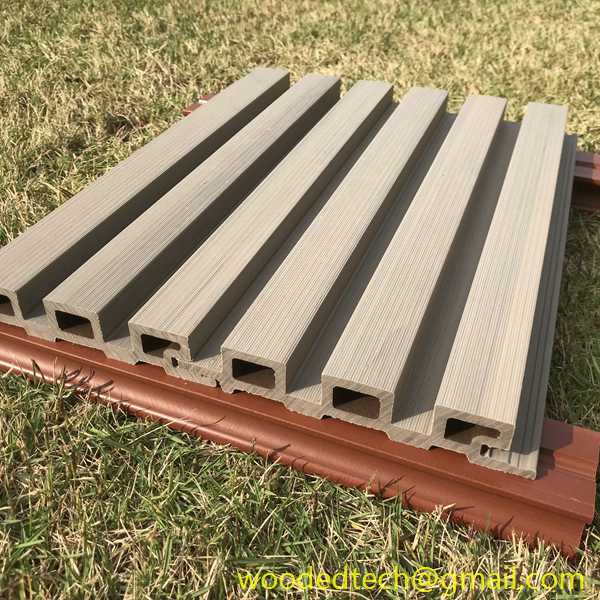
Evaluating the Disadvantages of Composite Decking
While composite decking has gained popularity for its aesthetic appeal and low maintenance requirements, it is essential to consider the disadvantages of composite decking before making a purchase. One notable concern is the initial cost. Composite decking can be more expensive than traditional wood options, which may deter some buyers. However, this upfront investment often translates into long-term savings due to reduced maintenance and longevity.
Another disadvantage lies in the potential for fading over time. Although co-extrusion capstock technology significantly enhances colour retention, it is not impervious to the elements. Prolonged exposure to UV rays can cause some fading, although it is generally less severe compared to first-generation uncapped WPC decking. This factor is critical for those desiring a vibrant outdoor space without the worry of colour deterioration.
维护注意事项
Though composite decking is marketed as low maintenance, it does require some upkeep. Regular cleaning is necessary to prevent the build-up of dirt and grime, which can detract from its visual appeal. This maintenance, while simpler compared to wood, can still be considered a disadvantage for those looking for a completely hassle-free option. Additionally, if stains do occur, they may be more challenging to remove than on natural wood surfaces. This is especially true for oil-based substances, which can seep into the material despite the protective outer shell.
Furthermore, the warranties provided on composite decking can vary significantly among manufacturers. Some warranties may not cover certain types of damage or fading, leaving consumers vulnerable to unexpected costs. It is crucial for purchasers to thoroughly review warranty details to ensure they are adequately protected against potential issues.

Environmental Concerns
When assessing the disadvantages of composite decking, environmental impact is another aspect worth considering. Although composite decking is often marketed as an eco-friendly alternative due to its recycled materials, not all composites are created equal. Some products may contain plastics that are not biodegradable, raising concerns about their long-term environmental footprint.
Moreover, while the manufacturing process for composite decking typically involves less deforestation than traditional wood harvesting, it can still result in pollution if not managed responsibly. Buyers with strong environmental values may find this aspect troubling, prompting them to explore wood alternatives that are sustainably sourced.

Slipperiness and Traction Issues
While modern composite decking has improved in terms of traction, some products can still become slippery when wet. This characteristic can pose safety risks, particularly in rainy or humid conditions. Homeowners with young children or elderly family members should consider this factor carefully. Choosing a composite with a textured surface can help mitigate this concern, but it is an additional factor to weigh when evaluating options.
For outdoor spaces where safety is paramount, such as pool decks, the risk of slipping can be a significant disadvantage. Not all manufacturers offer solutions to enhance grip, which can lead to potential accidents if not properly addressed.
Long-Term Performance and Durability
While co-extrusion capstock technology provides a protective outer shell that resists stains, scratches, and mould growth better than traditional WPC products, it is not infallible. Some users report issues such as peeling or delamination after several years, especially in regions with extreme weather conditions. Although these occurrences are not commonplace, they represent a possible downside of composite decking.
Considering the long-term performance of composite decking is essential for any potential buyer. It is advisable to check product reviews and consult with other consumers to gather insights on real-world experiences. The performance of materials can vary widely based on environmental factors and the specific manufacturing process, making thorough research a necessity for informed decision-making.