 English
  Español
  Français
  Português
  Deutsch
  Italiano
  Русский
  العربية
  简体中文
简体中文  香港中文
香港中文  한국어
한국어  日本語
日本語  Türkçe
  Nederlands
  Bahasa Indonesia
 Performance of Capped WPC Decking in Hot Climates
Capped wood plastic composite (WPC) decking is designed to withstand extreme temperatures, making it an excellent choice for hot climates. The unique composition of WPC, which blends wood fibres with plastic, results in a material that expands and contracts less than traditional wood. This dimensional stability is a significant advantage in regions where temperatures can soar. For instance, leading composite decking brands often use advanced co-extrusion techniques that encase the core in a protective layer, enhancing resistance to heat absorption. This not only preserves the integrity of the boards but also prevents issues such as warping and cracking, which are commonly seen in lesser-quality decking materials.
Furthermore, WPC decking is resistant to fading, ensuring that vibrant colours remain intact despite prolonged sun exposure. This durability is particularly crucial for homeowners and commercial projects in areas with high UV radiation. With slip-resistant surfaces, composite decking brands provide a safe outdoor experience, reducing the likelihood of accidents during hot summer days when surfaces can become slick due to moisture or spills.
Resilience in Humid and Coastal Environments
For regions that experience high humidity and coastal conditions, capped WPC decking offers substantial advantages over traditional wood. The moisture resistance of WPC is a game-changer, as it prevents rot, mould, and mildew, common problems in humid environments. Leading composite decking brands engineer their products to withstand the corrosive nature of salty air and water, making them ideal for beachfront properties. In this context, the combination of wood and plastic not only enhances the aesthetic appeal but also extends the lifespan of the product.
The slip resistance of capped WPC decking is particularly beneficial for coastal applications where damp conditions can occur frequently. Many brands focus on providing textured finishes that promote traction, ensuring safety for both residents and visitors. This aspect of performance is vital for outdoor spaces like boardwalks, docks, and pool areas that are exposed to water and moisture.
Handling Freezing Temperatures
In regions where winter temperatures plummet, the structural integrity of decking materials is put to the test. Capped WPC decking has been developed to endure freezing conditions without succumbing to the common pitfalls associated with wood, such as splitting or becoming brittle. The innovative manufacturing processes employed by leading composite decking brands allow for a high level of resilience against the freeze-thaw cycle that can severely damage inferior products.
Moreover, the low maintenance aspect of WPC decking becomes particularly appealing in colder climates. Unlike wood, which requires constant upkeep to prevent weather-related damage, capped WPC does not need regular sealing or staining. This not only saves time and money but also means that homeowners can enjoy their outdoor spaces without the burden of frequent maintenance in harsh winter conditions.
High UV Resistance and Longevity
One of the most significant advantages of capped WPC decking is its high UV resistance. Leading composite decking brands invest heavily in developing products that can withstand intense sunlight without losing colour or structural integrity. The capstock layer typically contains UV stabilisers that protect the underlying material from degradation. This ensures that the decking remains visually appealing and functional for many years, regardless of environmental stressors.
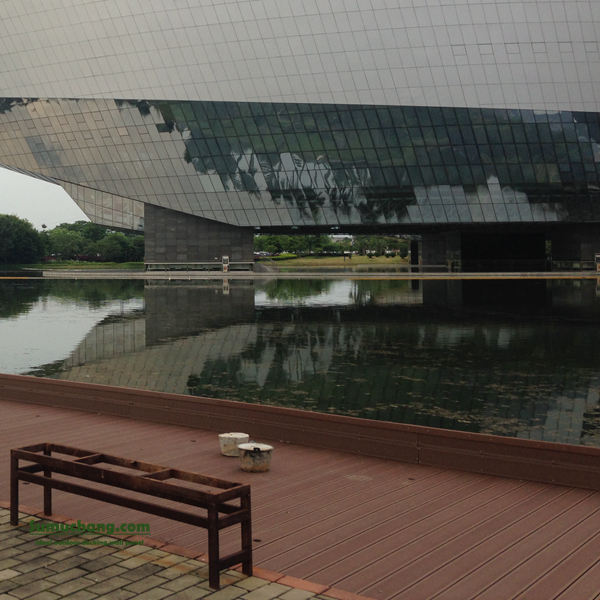
Longevity is a critical consideration for anyone investing in outdoor living spaces. Capped WPC decks can last significantly longer than traditional wood decks, offering a lifespan that often exceeds 25 years with minimal maintenance. This durability makes them an excellent option for commercial projects where the cost of replacement can be considerable. For businesses, selecting a high-quality WPC solution not only enhances aesthetics but also ensures a long-term return on investment.
Environmental Considerations and Sustainability
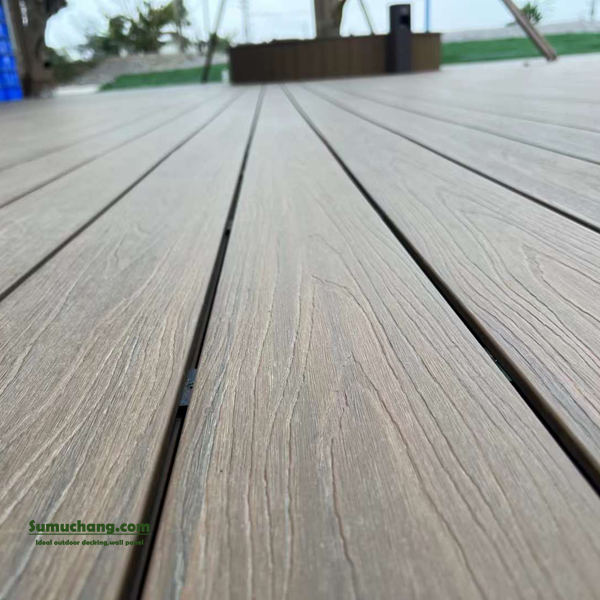
Choosing capped WPC decking also means less waste in the long run. The durability and low maintenance requirements lead to fewer replacements and repairs, which aligns with sustainable building practices. Innovative brands in the composite decking market are continually looking for ways to improve their materials, ensuring that they not only meet the performance needs of various climates but also contribute positively to environmental sustainability.