 English
  Español
  Français
  Português
  Deutsch
  Italiano
  Русский
  العربية
  简体中文
简体中文  香港中文
香港中文  한국어
한국어  日本語
日本語  Türkçe
  Nederlands
  Bahasa Indonesia
 How Composite Decking 16 on Center Affects Stability
The stability of composite decking, particularly when installed at 16 inches on centre, is significantly influenced by its design. This spacing between joists is a standard in deck construction, ensuring that the load is evenly distributed across the surface. Composite decking boards, made from a blend of wood and plastic, must be engineered to withstand the stresses encountered in outdoor environments. The structural integrity of these boards relies heavily on various design factors, including their profile, thickness, and the incorporation of hollow or solid structures.
In terms of profile design, a well-engineered composite deck board will feature a balanced structure that optimises strength while minimising weight. A thicker board generally provides increased resistance to flexing and bending, which is essential when spanning distances between joists. Incorporating rib designs can enhance this strength further; strategically placed ribs can improve the load-bearing capacity without significantly increasing the overall weight of the board. This is particularly vital in applications where the decking is subject to heavy foot traffic or the weight of outdoor furniture.
Hollow vs. Solid Structures
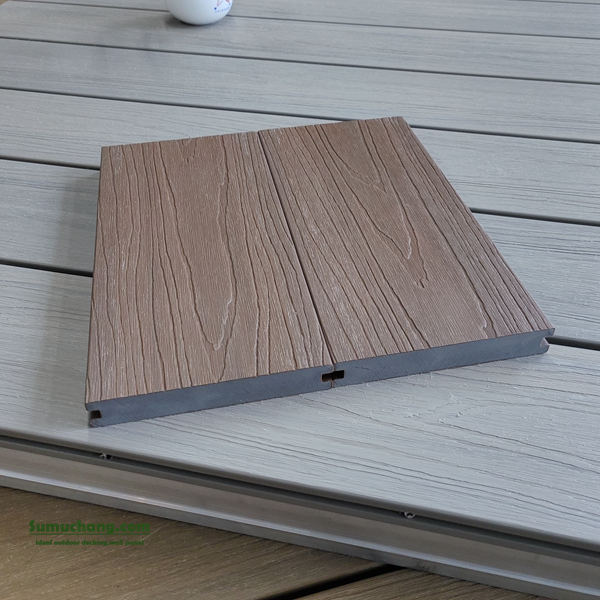
The choice between hollow and solid composite decking affects not only the weight but also the cost and installation performance. Hollow decking, for instance, is lighter and often more cost-effective, making it an attractive option for many homeowners and builders. However, it may provide less structural support compared to solid decking when installed at 16 inches on centre. Solid boards, while heavier and potentially more expensive, deliver superior durability and stability, making them ideal for high-load situations.
Moreover, the installation process can be influenced by the structural type of the decking. Hollow boards may require specific fasteners to ensure a secure fit, while solid boards can be more forgiving in terms of installation techniques. Understanding these differences is essential for the WPC extrusion mould design engineer, as this knowledge informs the creation of products that meet or exceed industry standards for strength and longevity.
The Role of Rib Designs
Rib designs are a critical factor in enhancing the performance of composite decking. These internal structures can significantly contribute to the overall load distribution across the board. By providing additional support at key stress points, ribbed profiles reduce the risk of deformation under heavy loads, especially when installed at 16 inches on centre. This design consideration not only improves the board’s stability but also extends its lifespan, making it a worthwhile investment for both residential and commercial applications.
Additionally, the complexity of rib designs can vary, and this variance directly impacts manufacturing costs. Engineers must balance the need for strength with production efficiency, ensuring that the final product remains affordable while meeting the required performance specifications. This is where a deep understanding of material properties and production techniques comes into play.
Surface Patterns and Performance
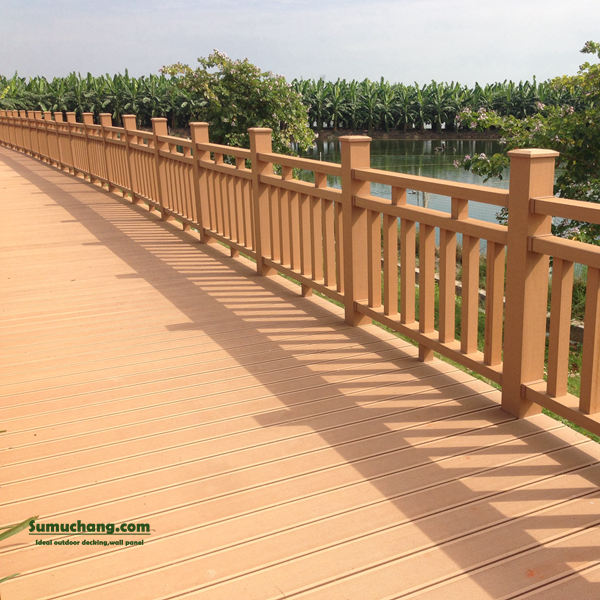
The surface pattern of composite decking is another area where design impacts performance. Textured surfaces can enhance slip resistance, a crucial factor in outdoor environments prone to moisture. Choosing the right surface pattern can therefore contribute to safety as well as aesthetics. However, the complexity of these patterns can affect the cost of production, as more intricate designs typically require advanced moulding techniques and longer manufacturing times.
Furthermore, surface patterns can influence how the decking interacts with environmental factors such as UV exposure and weathering. A well-designed surface will not only resist fading but also prevent moisture build-up, which can lead to mould and mildew issues. Therefore, when considering the overall stability of composite decking installed at 16 inches on centre, attention to the surface design is essential for long-term performance.
Cost Considerations in Deck Design
The interplay between strength, weight, and cost is a constant challenge in the development of composite decking. Producers must assess the benefits of various design elements against their impact on manufacturing expenses. For instance, while solid boards may offer superior strength, their higher material costs necessitate a careful analysis of market demand and target pricing. Conversely, hollow boards can be marketed as budget-friendly options, but their performance must not be compromised, especially when installed at the standard 16 inches on centre.
Ultimately, the goal is to achieve a product that meets customer expectations in terms of both quality and price. This requires continuous innovation in WPC extrusion mould design, ensuring that each decking solution not only satisfies structural requirements but also appeals to the consumer’s desire for durability, aesthetics, and affordability.