 English
  Español
  Français
  Português
  Deutsch
  Italiano
  Русский
  العربية
  简体中文
简体中文  香港中文
香港中文  한국어
한국어  日本語
日本語  Türkçe
  Nederlands
  Bahasa Indonesia
 is plastic decking any good for outdoor living spaces
Plastic decking has emerged as a popular choice for outdoor living spaces, primarily due to its unique material properties that cater to a variety of needs. This type of decking is made from a combination of recycled plastics and wood fibers, which creates a composite material that offers numerous advantages over traditional wood or other decking materials. Understanding these material performance aspects can help homeowners make informed decisions about their outdoor spaces.
One of the most significant benefits of plastic decking is its resistance to moisture. Unlike traditional wood, which can absorb water, leading to warping, splitting, and rot, plastic decking is inherently water-resistant. This characteristic makes it an attractive option for areas prone to heavy rainfall or humidity. Homeowners can enjoy their decks without the worry of ongoing maintenance to prevent water damage. This durability against moisture also translates to a longer lifespan for the decking, reducing the need for replacement in the long term.
Another essential aspect of plastic decking is its resistance to insects and pests. Wood is often susceptible to termites and other wood-boring insects, which can compromise its structural integrity. Plastic decking, however, provides a barrier against such pests, ensuring that the material remains intact over time. This feature is particularly beneficial for homeowners who live in regions where insect infestations are common, as it eliminates the need for chemical treatments or pest control measures.

Furthermore, plastic decking is low-maintenance compared to its wooden counterparts. Traditional wood decking requires regular sealing, staining, and painting to maintain its appearance and protect it from the elements. In contrast, plastic decking typically only requires occasional cleaning with soap and water to remove dirt and debris. This ease of maintenance not only saves time but also reduces costs associated with upkeep, making it an economical choice for many homeowners.
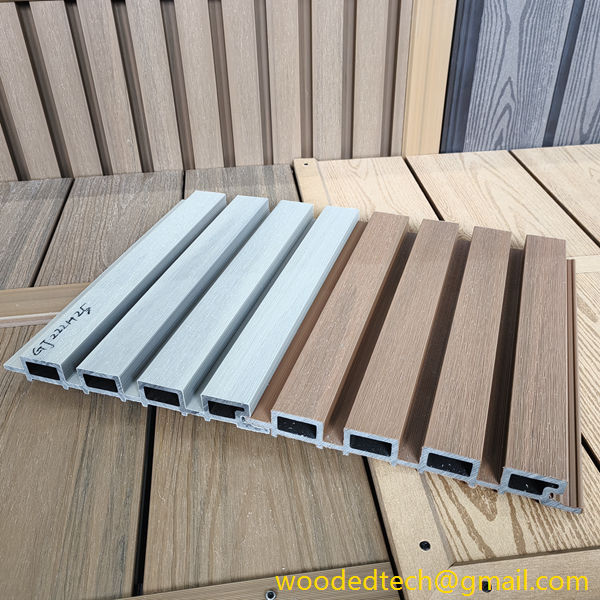
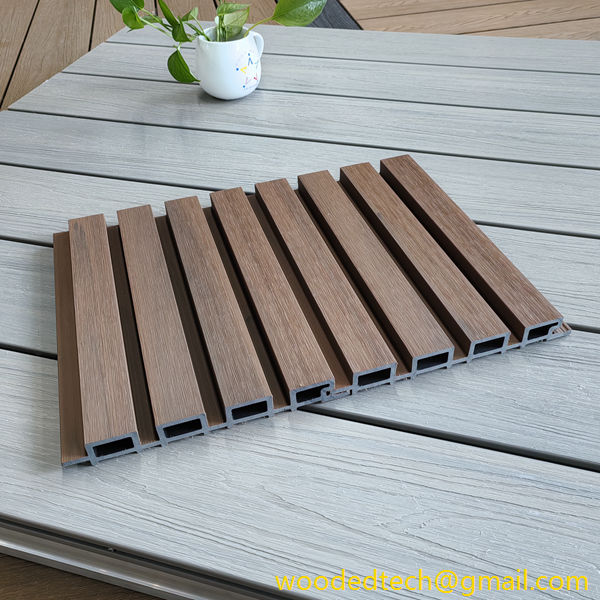
Additionally, plastic decking is available in a wide variety of colors and finishes, allowing homeowners to customize their outdoor living spaces according to their aesthetic preferences. This versatility in design means that plastic decking can complement any architectural style or landscaping theme. From sleek and modern to rustic and traditional, there are options to suit every taste. The ability to choose from various textures and appearances allows homeowners to achieve the desired look without sacrificing performance.
Another notable advantage of plastic decking is its resistance to fading and discoloration. Many high-quality plastic decking products are engineered to withstand UV exposure, which can cause traditional wood to fade over time. This resistance to sun damage means that homeowners can enjoy vibrant colors and finishes for years without the need for repainting or refinishing. The longevity of the material’s appearance contributes to the overall aesthetic appeal of outdoor living spaces.
Environmental considerations also play a role in the appeal of plastic decking. Many products are made from recycled materials, which helps reduce the demand for new raw materials and promotes sustainability. Homeowners who are environmentally conscious may find this aspect particularly appealing, as it aligns with their values and supports eco-friendly practices. Choosing plastic decking made from recycled content can contribute to a more sustainable lifestyle while still providing the durability and performance needed for outdoor spaces.

However, it is essential to consider some potential drawbacks when evaluating plastic decking. While it is resistant to many environmental factors, some lower-quality products may not provide the same level of durability or performance as premium options. Homeowners should conduct thorough research and choose reputable manufacturers to ensure they are investing in high-quality materials that will withstand the test of time.
Another consideration is the potential for heat retention. Plastic decking can become hot when exposed to direct sunlight, which may be uncomfortable for bare feet during the warmer months. Homeowners in particularly sunny climates may need to consider this factor when designing their outdoor spaces and may want to incorporate shaded areas or choose lighter colors that reflect heat.
In terms of slip resistance, some plastic decking materials may not provide as much traction as traditional wood, particularly when wet. It is crucial for homeowners to select products specifically designed for safety and to consider the potential for slips and falls, especially in areas that may experience moisture.
Ultimately, plastic decking presents a range of benefits that make it an attractive option for outdoor living spaces. Its resistance to moisture, insects, and fading, combined with low maintenance requirements and design versatility, provides homeowners with a practical solution for enhancing their outdoor areas. While there are some considerations to keep in mind, the overall performance characteristics of plastic decking make it a viable choice for those looking to create durable and aesthetically pleasing outdoor environments.