 English
  Español
  Français
  Português
  Deutsch
  Italiano
  Русский
  العربية
  简体中文
简体中文  香港中文
香港中文  한국어
한국어  日本語
日本語  Türkçe
  Nederlands
  Bahasa Indonesia
 The Importance of UV Protection in Composite Decking
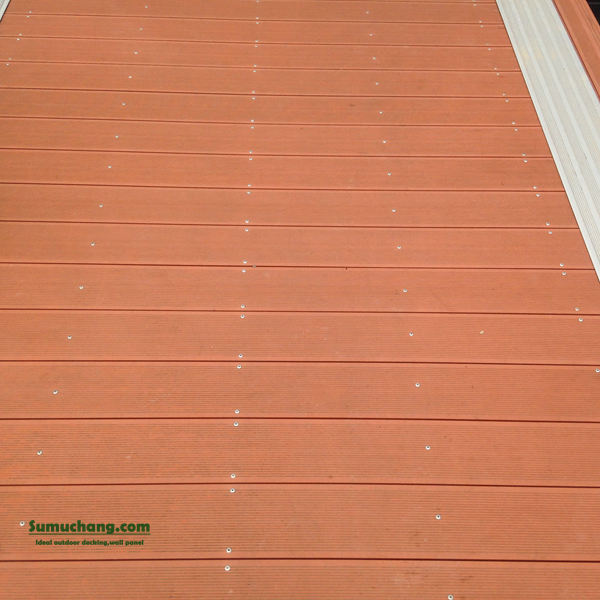
Composite decking has become a popular choice for outdoor spaces due to its aesthetic appeal and durability. One significant factor contributing to this durability is effective UV protection. Ultraviolet rays can lead to the degradation of materials, resulting in fading, warping, and a general decline in structural integrity. As a WPC formulation development engineer, it is critical to design formulas that incorporate high levels of UV inhibitors to ensure that the decking maintains its appearance and performance over time. This involves a careful selection of additives that can absorb UV radiation and prevent damage to the wood-plastic composite.
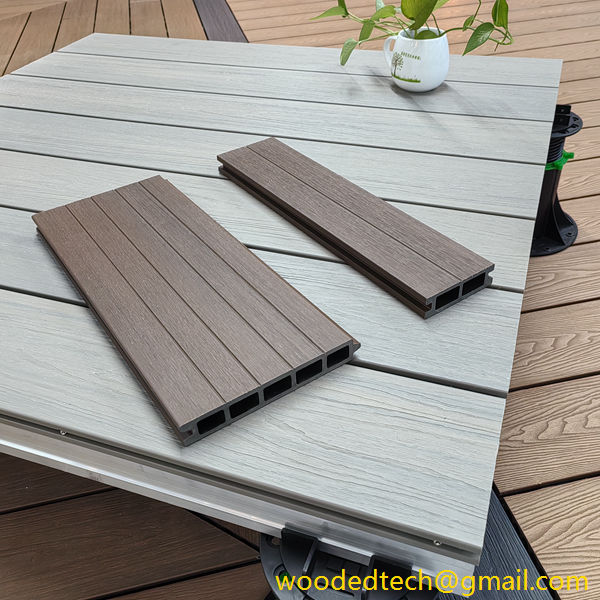
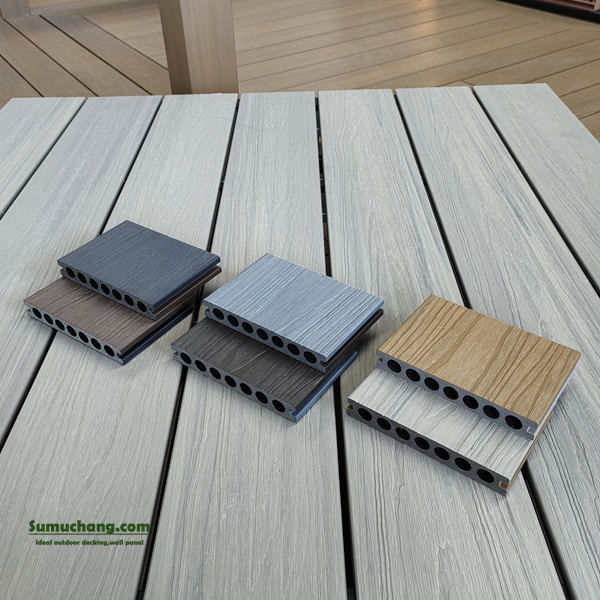
High-performance composite decking requires a balance between wood fiber content and plastic ratio. Typically, a higher plastic content can enhance UV protection, but this must be weighed against the performance characteristics provided by wood fibers. An optimal mix ensures that the composite not only resists UV damage but also retains the strength and natural appearance that customers desire. This balancing act is essential in creating a product that stands the test of time while remaining cost-effective.
Balancing Material Composition for Optimal Performance
The formulation of wood-plastic composites (WPCs) extends beyond merely selecting materials. The proportions of wood fiber and plastic play a crucial role in determining the physical properties of the final product. Generally, a composite with too high a wood content may be more susceptible to warping and moisture damage, while too much plastic can reduce the aesthetic appeal and tactile feel of the decking. Therefore, finding the right balance is vital.
Furthermore, the choice of plastic is paramount, with polyethylene and polypropylene being the most commonly used. Each type of plastic has unique properties that affect the recyclability, UV stability, and overall longevity of the composite. Incorporating UV stabilisers into the plastic matrix can effectively enhance protection against sun damage, thus prolonging the life of the decking material. This not only improves customer satisfaction but also reduces long-term maintenance costs.
Additives and Their Role in Durability
Additives are essential in the formulation of composite decking, particularly when it comes to enhancing UV protection and overall durability. Stabilising agents, such as hindered amine light stabilisers (HALS) and UV absorbers, are commonly used to mitigate the effects of UV exposure. These additives work by absorbing harmful radiation and dissipating energy as heat, preventing structural damage and discolouration.
In addition to UV stabilisers, other additives can be incorporated to improve the performance of WPCs. Fire retardants, anti-fungal agents, and colour enhancers can all contribute to the overall durability and usability of the decking products. However, the introduction of these additives must be managed carefully to ensure that the cost remains competitive while still delivering high-quality performance. Hence, the formulation engineer must continuously explore innovative solutions that fulfill these requirements while maintaining affordability.
Cost Control and Sustainable Practices
In the highly competitive landscape of composite decking production, cost control is a significant consideration. As an engineer, it is imperative to design formulations that not only meet performance standards but also keep production costs manageable. This often involves sourcing materials that provide the best performance-to-cost ratio, including recycled content that can enhance both sustainability and pricing strategies.
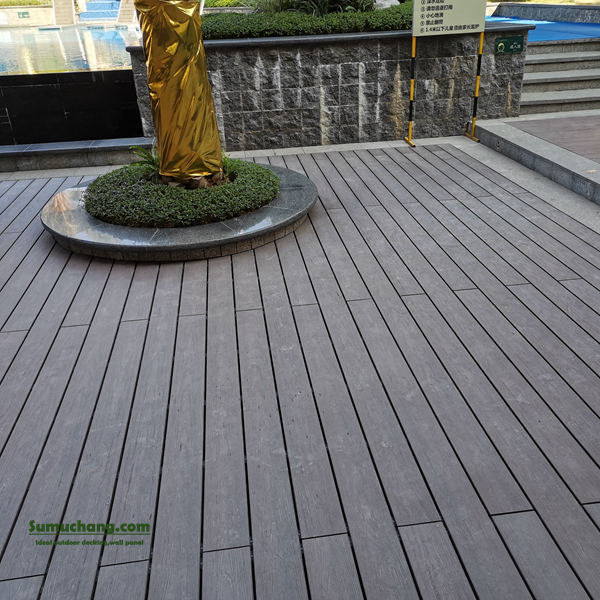
Moreover, with a growing emphasis on environmentally sustainable building materials, WPC formulations can incorporate recycled plastics and wood fibers. These materials not only help in reducing the environmental impact but also appeal to a consumer base that is increasingly conscious of sustainability. Balancing sustainability with performance and cost is an ongoing challenge that requires innovative thinking and a commitment to developing high-quality products.
Product Lifespan and End-of-Life Considerations
The ultimate goal of developing high-performance composite decking formulations is to ensure a long product lifespan. This involves taking into account not only the initial quality and durability of the decking but also how it will perform over time in various environmental conditions. Factors such as temperature fluctuations, moisture exposure, and physical wear must be considered during the formulation process.
Moreover, end-of-life considerations are becoming increasingly important as regulations around waste and recycling tighten. Formulations should ideally allow for the easy recycling of the composite material at the end of its lifespan. This not only benefits the environment but also enhances the brand’s reputation and aligns with modern consumers’ preferences for sustainable products. By focusing on both durability and recyclability, manufacturers can ensure that their composite decking solutions remain relevant and valued in the marketplace.