 English
  Español
  Français
  Português
  Deutsch
  Italiano
  Русский
  العربية
  简体中文
简体中文  香港中文
香港中文  한국어
한국어  日本語
日本語  Türkçe
  Nederlands
  Bahasa Indonesia
 Common Installation Errors with Composite Decking 4.2m
When embarking on a large project featuring composite decking 4.2m, one of the most frequent challenges encountered is installation errors. These can stem from various factors, including improper measurements and inadequate fastening techniques. It is crucial to ensure that the framework is level and that adequate spacing is maintained between boards to allow for expansion and contraction. Failure to account for these aspects can lead to buckling or gaps that compromise the aesthetics and functionality of the decking.
Another typical issue during installation is not using the correct fasteners. Composite decking often requires specific types of screws or clips designed to accommodate the material’s unique properties. Using the wrong fasteners may lead to surface damage or inadequate support, impacting the durability of the structure. It is beneficial to refer to the manufacturer’s guidelines and ensure that all tools and materials used are compatible with composite decking.
Colour Differences and Aesthetic Concerns
Another concern that may arise with composite decking 4.2m is colour variation among the boards. It is not uncommon for different batches of composite material to exhibit slight differences in colour due to variations in the manufacturing process. This can lead to an uneven appearance if boards from different batches are mixed. To prevent this issue, it is advisable to purchase all necessary boards for a project at once and from the same production run whenever possible.
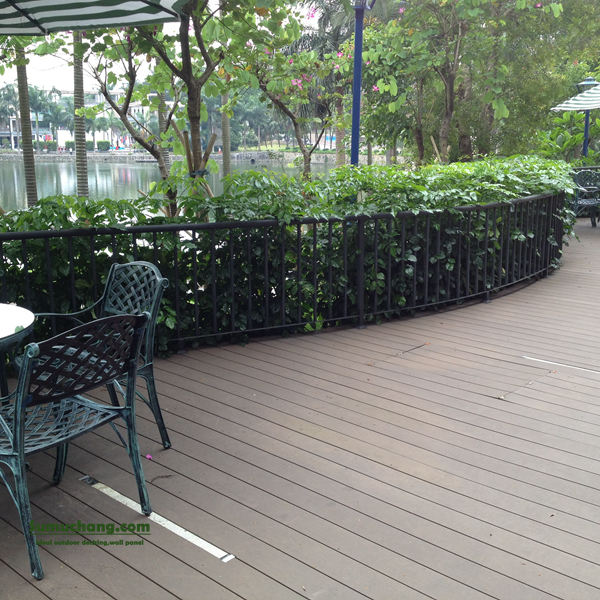
If colour discrepancies occur, consider arranging the boards in a way that blends the variations more seamlessly. For instance, alternating boards from different batches can help create a more uniform look. Ultimately, educating clients about the nature of composite materials can ease concerns regarding these aesthetic differences and help them appreciate the overall beauty of the decking.
Addressing Expansion Issues
Expansion and contraction are natural characteristics of composite decking 4.2m due to temperature fluctuations. Failing to account for these changes during installation can result in problematic gaps or warping. It is recommended to leave adequate space between boards and at all perimeters to accommodate expansion. Typically, a gap of around 5 to 10 millimetres should be maintained along the edges and between boards.
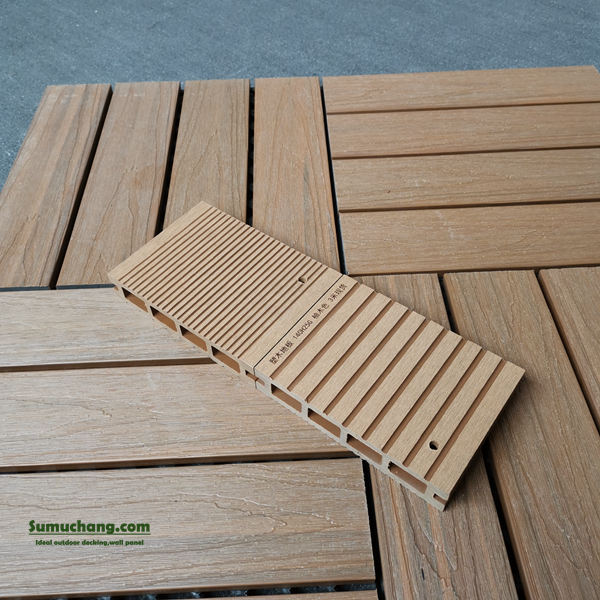
In situations where buckling occurs, it may be necessary to carefully remove affected boards and re-install them with proper spacing. Encouraging clients to consider these factors during the design phase can prevent future issues, ensuring long-lasting satisfaction with their decking experience.
Surface Scratches and Damage Prevention
Despite the durability of composite decking 4.2m, surface scratches can still occur, often due to heavy furniture or items being dragged across the surface. To mitigate this risk, recommend the use of felt pads under furniture legs and advise clients to avoid using sharp objects on the deck. For minor scratches, many manufacturers offer repair kits designed to help restore the surface to its original condition, allowing for seamless maintenance and extended beauty.
In addition, regular cleaning is vital to maintaining the surface integrity of composite decking. Using a gentle cleaner and a soft-bristle brush can help remove dirt and grime without causing damage. Encouraging clients to establish a regular cleaning schedule can significantly enhance the deck’s longevity and appearance.
Maintenance Requirements for Longevity
Another aspect to consider with composite decking 4.2m is its maintenance requirements. While composite materials are often marketed as low-maintenance, they still require periodic attention to keep them in peak condition. It is essential to advise clients on the importance of cleaning the decking regularly to prevent mould and mildew accumulation, especially in damp climates.
Furthermore, clients should be aware that using a high-pressure washer is not recommended, as this can damage the surface finish. Instead, a simple soap solution and a soft brush are typically sufficient for maintaining the decking. Establishing a maintenance plan can ensure that the composite decking remains beautiful and functional for many years, protecting the client’s investment.
After-Sales Support and Troubleshooting
As an after-sales service engineer, providing comprehensive support is paramount to customer satisfaction. Addressing any issues promptly and effectively can not only resolve immediate concerns but also build trust and loyalty with clients. Whether dealing with installation errors, aesthetic discrepancies, or maintenance inquiries, being responsive and knowledgeable is key to ensuring a positive experience for all parties involved.
Encouraging open communication with clients and offering troubleshooting guidance can help alleviate many common issues surrounding composite decking 4.2m. By providing clear information and support, you can empower customers to enjoy their outdoor spaces fully and confidently.