 English
  Español
  Français
  Português
  Deutsch
  Italiano
  Русский
  العربية
  简体中文
简体中文  香港中文
香港中文  한국어
한국어  日本語
日本語  Türkçe
  Nederlands
  Bahasa Indonesia
 Quality Plastic Wood Composite Wall Panel for Modern Interiors
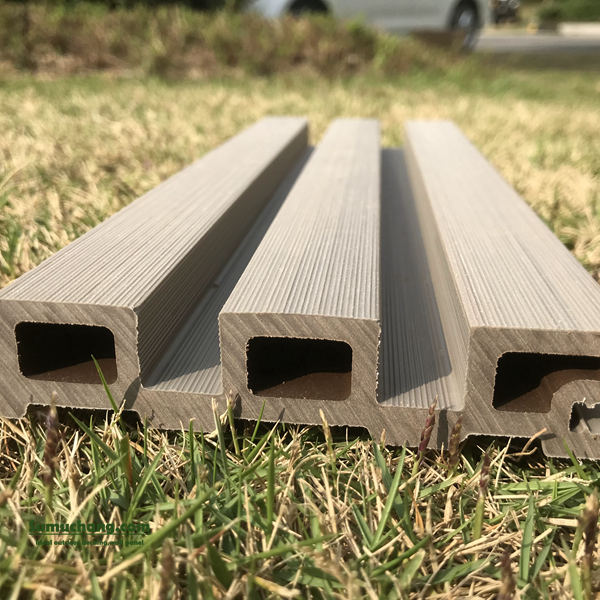
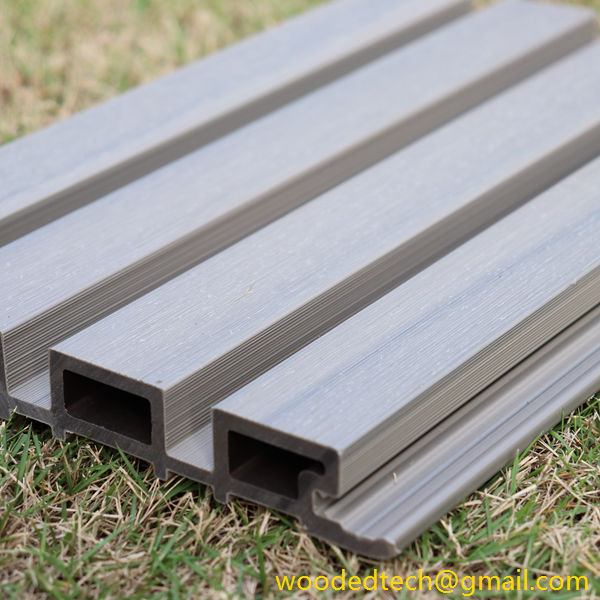
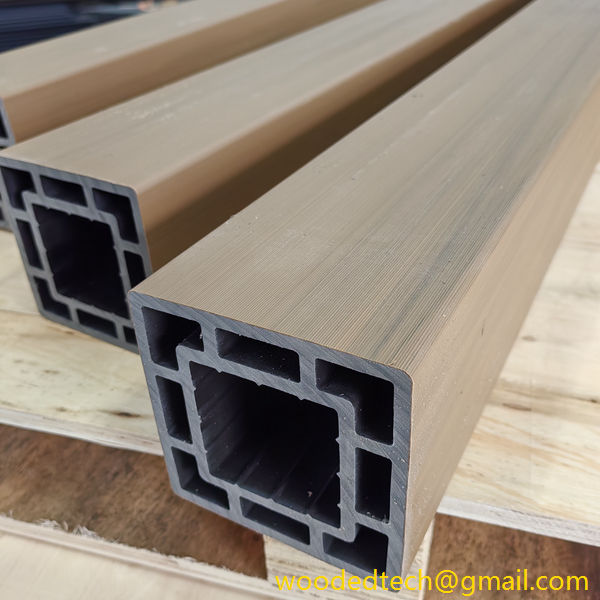
In recent years, the demand for modern interior design has led to the emergence of various innovative materials that combine aesthetics with practicality. One such material that has gained popularity is plastic wood composite, commonly referred to as WPC. This composite material is a blend of wood fibers and thermoplastics, offering a unique solution for wall paneling in contemporary interiors. This article will explore the production process of quality plastic wood composite wall panels and the benefits they bring to modern spaces.

The production of plastic wood composite wall panels starts with the careful selection of raw materials. The two primary components are wood fibers and thermoplastic polymers. The wood fibers can be sourced from recycled wood, sawdust, or wood shavings, contributing to an eco-friendly profile for the product. The thermoplastic polymers used in the composite are typically polyethylene, polypropylene, or polyvinyl chloride. The choice of polymer influences the final properties of the panel, including durability, flexibility, and resistance to moisture.
Once the raw materials have been procured, the initial step in the production process is the preparation of the wood fibers. This involves drying and grinding the wood to achieve a consistent particle size. The importance of this step cannot be overstated, as the size and uniformity of the wood fibers directly affect the mechanical properties of the final product. Properly processed wood fibers ensure that the composite has optimal strength and stability.

The next step is the blending of the wood fibers with the chosen thermoplastic polymer. This is typically done using a twin-screw extruder, which allows for thorough mixing and ensures that the wood fibers are evenly coated with the plastic. The use of an extruder is crucial as it enables the production of a homogeneous mixture, which is essential for achieving the desired characteristics of the composite. During this stage, additives such as colorants, UV stabilizers, and fire retardants may also be introduced to enhance the performance and appearance of the final panels.
After the blending process, the mixture is subjected to heat and pressure to create a uniform sheet. This can be done through various methods, including extrusion or compression molding. In the extrusion process, the blended material is forced through a die, forming continuous sheets of the composite. Compression molding, on the other hand, involves placing the mixture in a mold and applying heat and pressure to shape it. Both methods have their advantages, and the choice depends on the desired thickness and texture of the wall panels.
Once the panels have been formed, they undergo a cooling process to solidify their shape. After cooling, the panels are trimmed and cut to the required dimensions. Quality control is an essential aspect of the production process at this stage. Each panel is inspected for defects, such as cracks or uneven surfaces, ensuring that only high-quality products reach the market. This rigorous quality assurance process is vital for maintaining the integrity of the brand and ensuring customer satisfaction.
The final step in producing plastic wood composite wall panels is surface finishing. The panels can be treated with various coatings or textures to enhance their aesthetic appeal. Options include wood grain patterns, smooth finishes, or even custom designs that cater to specific customer preferences. This versatility in design allows the panels to blend seamlessly with different interior styles, from minimalist to rustic.
The advantages of using plastic wood composite wall panels in modern interiors are numerous. First and foremost, these panels are highly durable and resistant to moisture, making them ideal for areas prone to humidity, such as bathrooms and kitchens. Unlike traditional wood panels, WPC wall panels do not warp or swell when exposed to water, ensuring a long-lasting solution for interior design.
Moreover, plastic wood composite panels require minimal maintenance compared to their wooden counterparts. They do not need to be painted or stained regularly, and cleaning involves simple wiping with a damp cloth. This ease of maintenance is a significant draw for homeowners and designers alike.
Additionally, WPC wall panels are eco-friendly, as they utilize recycled materials and reduce the reliance on virgin wood. This sustainable approach aligns with the growing trend towards environmentally responsible building practices.
In conclusion, the production of quality plastic wood composite wall panels involves a meticulous process that combines advanced technology with careful material selection. The resulting product is not only aesthetically pleasing but also functional and sustainable, making it an excellent choice for modern interiors. With their durability and low maintenance requirements, WPC wall panels are set to remain a popular option in interior design for years to come.