 English
  Español
  Français
  Português
  Deutsch
  Italiano
  Русский
  العربية
  简体中文
简体中文  香港中文
香港中文  한국어
한국어  日本語
日本語  Türkçe
  Nederlands
  Bahasa Indonesia
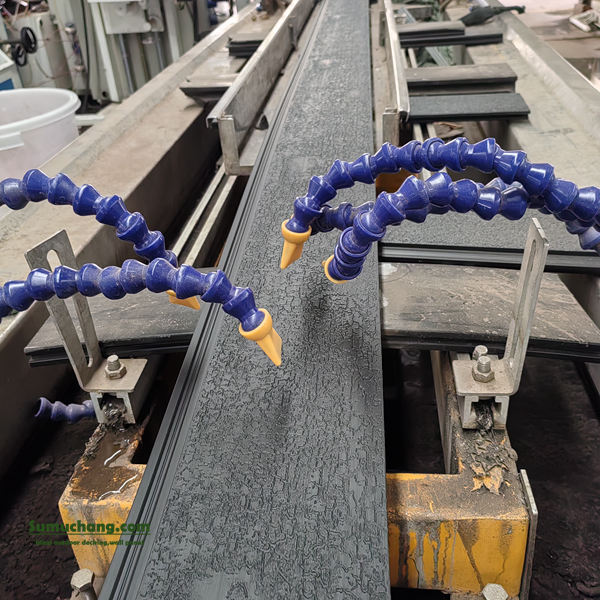
 Advanced Co-Extrusion Technology in Wood Composites
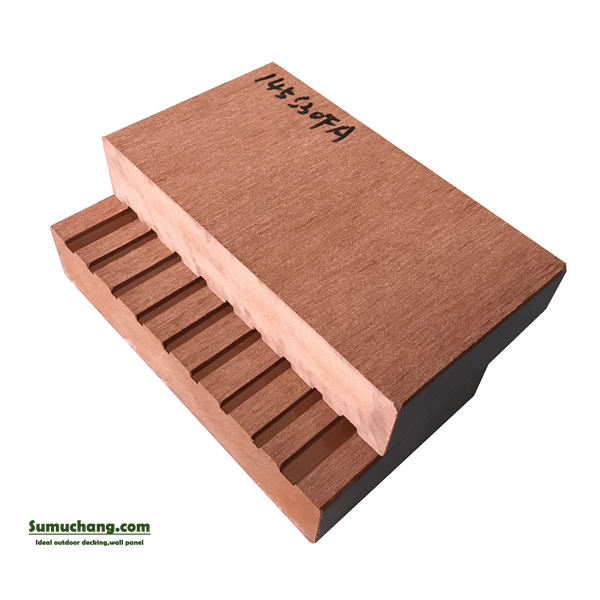
Extruded wood composites have emerged as a game-changer in the construction industry, particularly for outdoor applications. Co-extrusion, a process that involves layering a protective shell around a core of composite material, enhances the durability and aesthetic appeal of building products. This innovative technique ensures that structures such as decking, fencing, and wall panels are not only visually appealing but also resilient against the elements. The outer layer is often engineered to be highly resistant to fading, scratching, and moisture absorption, thereby ensuring longevity and reducing the need for frequent maintenance.
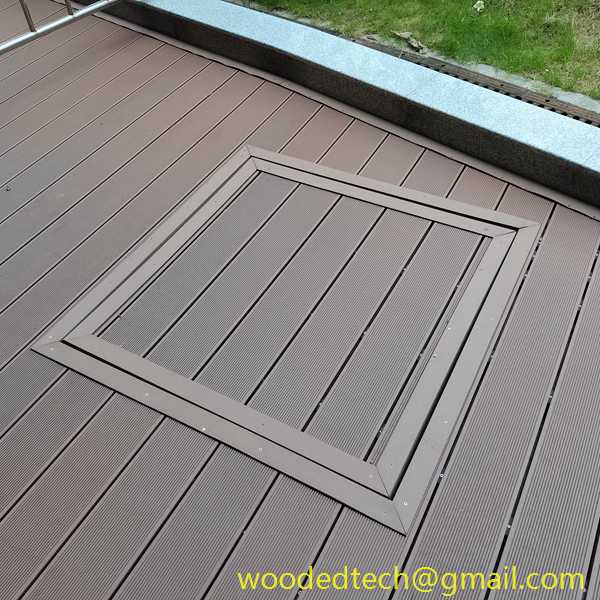
For instance, in a recent project featuring co-extruded wood plastic composite decking, the client desired a solution that could withstand heavy foot traffic while providing a warm, natural wood appearance. The result was a stunning deck that combines the beauty of traditional timber with the practicality of modern materials. The combination of extruded wood composites in co-extrusion allows for various finishes and colours, catering to diverse aesthetic preferences while ensuring performance is never compromised.
Real-World Applications of Co-Extruded WPC
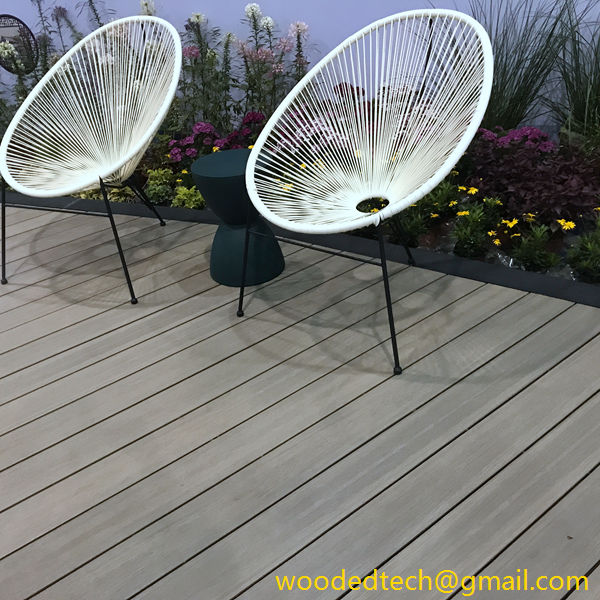
A striking example of co-extruded wood composites can be seen in expansive commercial spaces, where their application extends beyond residential settings. A recent installation at a luxury hotel included a poolside deck crafted from high-quality WPC. The co-extrusion technology not only provided a non-slip surface for guests but also contributed to a sophisticated look that aligned with the hotel’s upscale aesthetic. The versatility of these materials means they can be tailored to fit different settings, from vibrant outdoor lounges to serene garden paths.
Moreover, the use of extruded wood composites in wall panels has transformed building facades, providing an eco-friendly alternative to traditional cladding materials. One noteworthy project involved the renovation of an office building, where co-extruded panels were installed to enhance insulation and reduce energy costs. The result was a modern facade that not only improved the building’s energy efficiency but also attracted attention for its striking design.
Installation Techniques for Lasting Performance
When installing co-extruded wood composites, attention to detail is paramount to ensuring the longevity of the project. Proper installation techniques can significantly affect the performance of the materials over time. For instance, using a hidden fastening system can create a clean, seamless look while allowing for natural wood expansion and contraction. This approach minimizes the risk of warping or damage, enabling the deck to maintain its integrity despite various weather conditions.
In addition, ensuring appropriate drainage and ventilation during installation is essential for preventing moisture accumulation. In moist environments, such as around poolsides, it is vital to select high-quality extruded wood composites that resist water infiltration. The right choice of materials, combined with expert installation practices, leads to a durable outdoor living space capable of withstanding time and nature.
Sustainability and Environmental Considerations
The production of extruded wood composites is inherently more sustainable than that of traditional materials. Many manufacturers, including Sumuchang, focus on sourcing recycled wood and plastic, contributing to a reduction in waste. The co-extrusion process maximizes the use of these recycled materials, allowing for high-performance products without compromising environmental responsibility.
Incorporating these materials into outdoor projects not only offers aesthetic and functional benefits but also aligns with the growing demand for eco-friendly building solutions. The result is a space that not only looks great but contributes positively to the environment. With sustainable practices becoming increasingly important in construction, projects featuring co-extruded wood composites are well-positioned to meet the needs of environmentally conscious consumers.
Transforming Outdoor Spaces with WPC
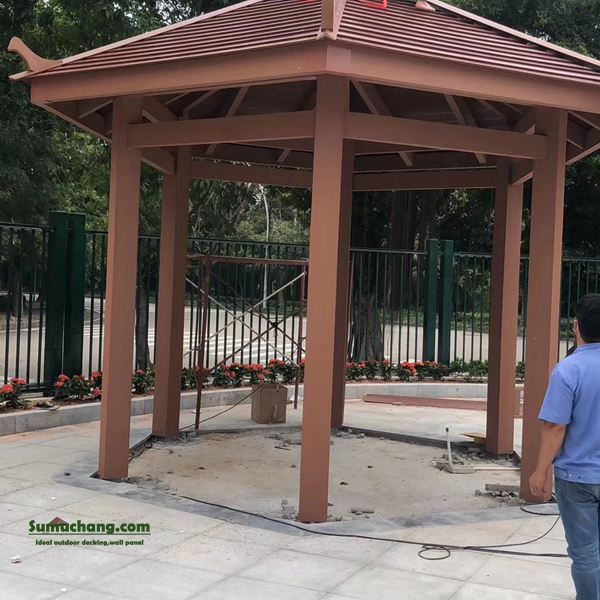
The versatility of co-extruded wood composites extends beyond just decking and facades. They are equally effective in creating stunning pergolas and gazebos that enhance outdoor living experiences. The use of these materials allows for the construction of structures that are both beautiful and practical, providing relaxing spaces that can withstand the rigours of outdoor life.
Recent projects have showcased how co-extruded WPC can be fashioned into intricate designs for pergolas, offering shade and style. The aesthetic flexibility of these materials enables architects and designers to bring unique visions to life while ensuring that the end product is resilient and low-maintenance. As the trend towards outdoor living continues to grow, the role of extruded wood composites in creating lasting, sustainable outdoor spaces cannot be overstated.