 English
  Español
  Français
  Português
  Deutsch
  Italiano
  Русский
  العربية
  简体中文
简体中文  香港中文
香港中文  한국어
한국어  日本語
日本語  Türkçe
  Nederlands
  Bahasa Indonesia
 Composite Decking and Its Maintenance
Composite decking, often made from a blend of wood fibres and plastic, has risen in popularity as a durable alternative to traditional timber. One common question among homeowners and contractors alike is whether they can sand composite decking to restore its original appearance. While sanding is a familiar practice with natural wood, the effects on composite materials are more nuanced. Unlike timber, which can be rejuvenated through sanding to reveal fresh wood beneath, composite decking is engineered with a capped surface that can be damaged by abrasive materials. This distinction makes maintenance practices crucial in preserving the decking’s aesthetic and functional qualities.
To maintain composite decking, regular cleaning with soap and water usually suffices, while specialised cleaners are available for tougher stains. However, the ability to sand composite boards should be approached with caution. While some manufacturers allow light sanding to remove surface marks, it is often not recommended as a general practice. Engaging in this maintenance can risk voiding warranties, and in many cases, composite decking simply does not require the same level of upkeep as natural wood.
Comparing Materials: WPC Versus Natural Wood
When evaluating outdoor materials, one cannot overlook the merits and shortcomings of natural wood versus wood-plastic composites (WPC). Natural wood, while aesthetically pleasing and familiar, has a tendency to warp, splinter, and degrade over time due to exposure to the elements. This maintenance-intensive nature leads to ongoing costs associated with staining, sealing, and repairs, which can accumulate significantly over the decking’s lifespan.
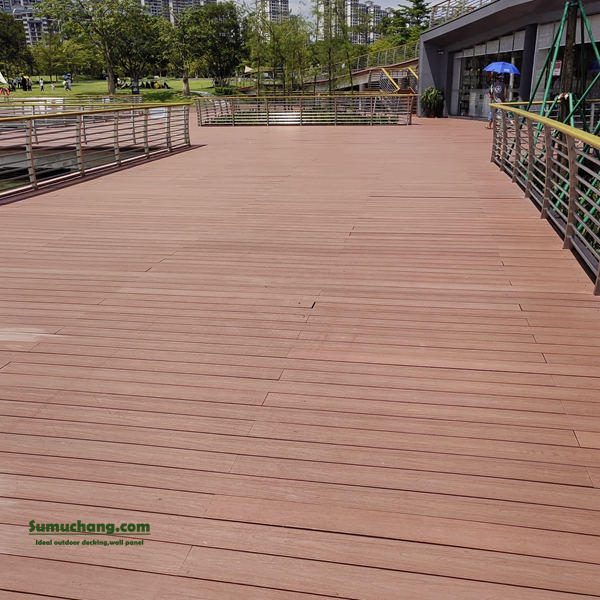
WPC, however, offers a more resilient alternative. It resists the adverse effects of moisture and UV exposure, thus maintaining its integrity and appearance with minimal intervention. With a longer lifecycle, composite decking can prove to be more cost-effective, despite its initially higher purchase price. While it might not possess the same natural beauty as timber, advancements in composite technology allow for a range of finishes and colours that can closely mimic the appearance of wood.
Aluminium and Other Exterior Materials
Aluminium has also emerged as a viable contender in the outdoor materials market. Known for its strength and longevity, aluminium decking is resistant to rust and insect damage, presenting a low-maintenance solution. However, the thermal conductivity of aluminium can be a drawback, as the material tends to become hot under direct sunlight, which can be uncomfortable for foot traffic.
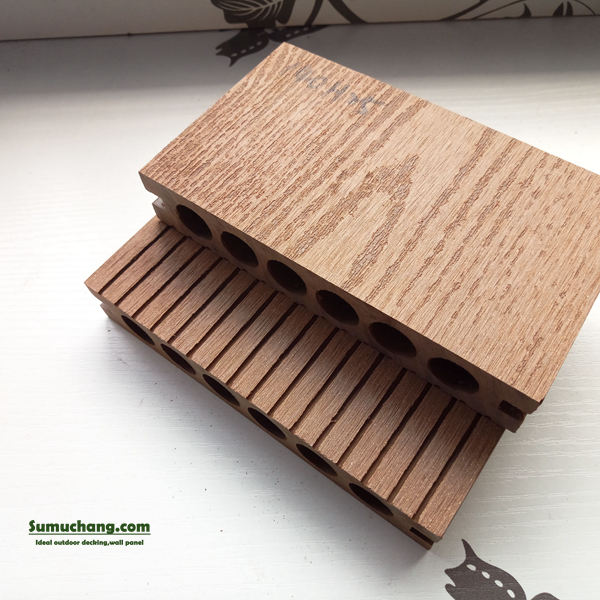
In contrast, other materials like PVC offer additional choices for exterior applications. PVC decking is lightweight and resistant to moisture; however, it can lack the firmness and sturdiness of composite or wood materials. Each material offers unique advantages and disadvantages, underscoring the need for careful consideration based on the project specifics and desired outcomes.
Cost Analysis: Lifecycle and Maintenance
Examining the lifecycle costs associated with each decking option provides valuable insights for budget-conscious consumers. Initial costs for WPC tend to be higher than traditional wood, but the long-term savings from reduced maintenance and replacement needs often justify this. Natural wood may require replacement after a decade, while composite products can last anywhere from 25 to 30 years with proper care.
Furthermore, the maintenance expenses for traditional wood can significantly add up over time, as regular treatments and repairs are often required. In contrast, WPC materials generally need only periodic cleaning, translating to lower ongoing costs. The initial investment in composite decking can, therefore, be balanced by its longevity and reduced maintenance, making it a compelling choice for homeowners and builders alike.
Environmental Considerations
Another aspect to consider is the environmental impact of various decking options. Composite decking is often made from recycled materials, including wood and plastic, making it a more sustainable choice compared to freshly cut timber. This eco-friendly approach appeals to homeowners interested in minimising their carbon footprint.
Traditional wood, when sourced from sustainably managed forests, can also be considered environmentally responsible. However, deforestation and habitat destruction remain significant concerns in the broader conversation around timber sourcing. The choice of decking material, therefore, not only reflects personal preference but also ethical considerations regarding sustainability and environmental impact.