 English
  Español
  Français
  Português
  Deutsch
  Italiano
  Русский
  العربية
  简体中文
简体中文  香港中文
香港中文  한국어
한국어  日本語
日本語  Türkçe
  Nederlands
  Bahasa Indonesia
 Understand the Length of Composite Deck Boards for Your Design
When designing outdoor spaces, particularly decks, the choice of materials is crucial. Composite deck boards have gained popularity due to their durability, low maintenance, and aesthetic appeal. However, understanding the length of these boards plays a significant role in both the structural integrity and the visual aspect of a deck. This article explores the importance of board length from a materials performance perspective, ensuring that you make informed decisions for your project.
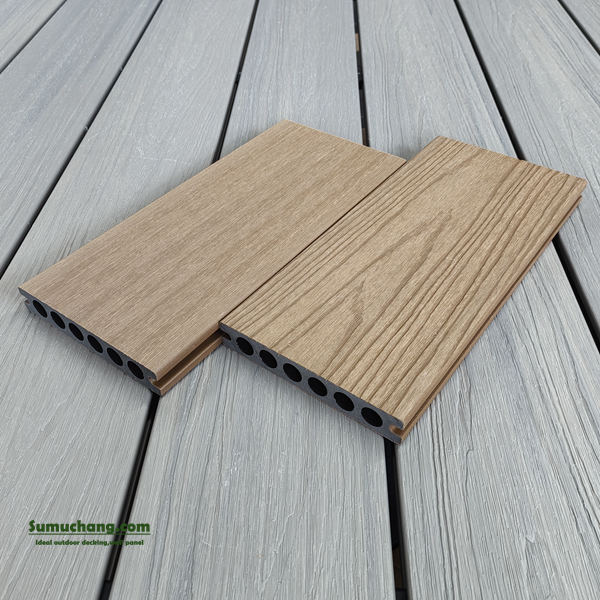
Composite deck boards are made from a blend of wood fibers and plastic, which offers unique advantages over traditional wood decking. One of the primary considerations when selecting composite boards is their length, which can vary significantly based on the manufacturer and the specific product line. Typically, composite deck boards are available in lengths ranging from 12 to 20 feet. The choice of length impacts not only the installation process but also the overall performance of the deck.

Longer boards can reduce the number of seams or joints in a deck. Fewer seams lead to a more visually appealing finish and can enhance the structural performance of the deck. Each seam represents a potential weak point where water can infiltrate, leading to mold and decay over time. By selecting longer boards, you minimize these concerns, ensuring that your deck remains robust and visually cohesive.
Moreover, the length of composite boards can influence the amount of waste generated during installation. Shorter boards often require more cuts to fit the space, resulting in additional waste. This not only increases material costs but also has environmental implications. In contrast, longer boards can be cut to fit with fewer sections, promoting a more sustainable approach to deck building. This consideration is particularly important in today’s environmentally conscious market, where sustainability is a key factor in material selection.
Another consideration is the thermal expansion of composite materials. Composite boards expand and contract with temperature changes, and the length of the boards can impact how this phenomenon affects the deck’s integrity. Longer boards may experience greater expansion than shorter ones, particularly in warmer climates. It is crucial to follow the manufacturer’s guidelines regarding spacing and installation to accommodate this expansion, ensuring that the deck remains safe and functional over time.
The performance of composite materials also varies based on their composition. Different manufacturers employ various ratios of wood fibers to plastic, which can affect the weight and strength of the boards. Heavier boards often provide a more solid feel underfoot, which can enhance the user experience. However, heavier materials may also require additional structural support, particularly with longer lengths. It is essential to evaluate the load-bearing capabilities of your support structure to determine if longer boards can be utilized without compromising safety.

In addition to structural considerations, the aesthetic aspect of board length cannot be overlooked. Longer boards create a cleaner look with fewer interruptions, contributing to a more modern and streamlined design. This aesthetic appeal is particularly valuable in outdoor spaces where visual continuity is essential for creating an inviting atmosphere. Homeowners and designers often seek to achieve a seamless flow from indoor to outdoor spaces, and the choice of composite board length plays a pivotal role in this design goal.
When selecting the length of composite deck boards, it is also vital to consider local building codes and regulations. Some regions may have specific requirements about deck construction, including limitations on board lengths or spacing. Ensuring compliance with these regulations not only guarantees safety but may also influence the length and type of materials you choose. Engaging with local building authorities can provide valuable insights into these requirements, helping you avoid potential issues during the construction process.
Furthermore, the choice of board length can affect the overall cost of the project. While longer boards may seem more expensive upfront, they can lead to savings in terms of labor and material waste. A thorough cost-benefit analysis can help determine the most economical approach to your specific project while considering both short-term and long-term implications.
Selecting the appropriate length of composite deck boards is a multifaceted decision that encompasses structural integrity, aesthetic appeal, environmental considerations, and compliance with regulations. By understanding how board length interacts with these factors, you can make informed choices that enhance both the functionality and beauty of your outdoor living space. Whether you opt for longer boards to reduce seams or shorter ones for specific design elements, careful planning and consideration of materials performance will ensure a successful decking project that meets your design aspirations.