 English
  Español
  Français
  Português
  Deutsch
  Italiano
  Русский
  العربية
  简体中文
简体中文  香港中文
香港中文  한국어
한국어  日本語
日本語  Türkçe
  Nederlands
  Bahasa Indonesia
 Choose Between Capped or Uncapped Composite Decking for Your Needs
When it comes to outdoor living spaces, the choice of decking material can significantly influence the aesthetics, functionality, and maintenance of a home. Among the various options available, composite decking has gained popularity due to its durability and low maintenance requirements. However, within the realm of composite decking, there are two primary categories to consider: capped and uncapped composite decking. Understanding the differences between these two options is crucial for homeowners seeking to enhance their outdoor spaces.
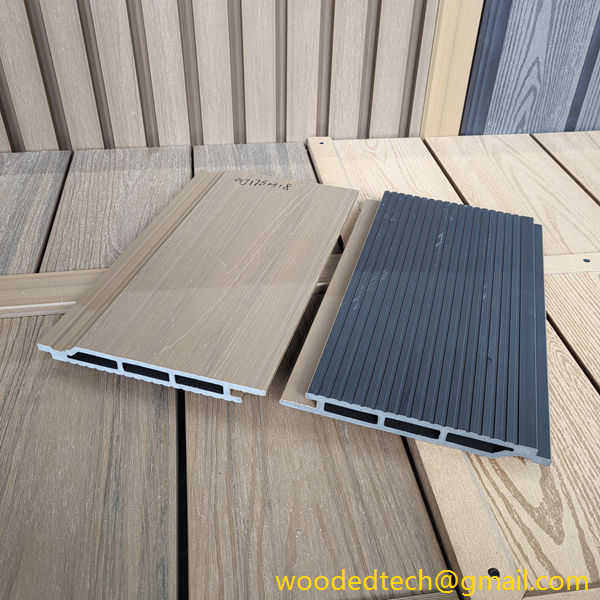
Capped composite decking is distinguished by a protective layer that encases the core material. This cap is typically made from a high-performance polymer that safeguards the decking boards from moisture, fading, scratching, and staining. The protection provided by the cap makes this type of decking an appealing choice for homeowners who desire a long-lasting and low-maintenance solution. The cap not only enhances the durability of the decking but also offers a variety of aesthetic options. Homeowners can choose from a range of colors and textures, allowing them to create a customized look that complements their home and landscape.

One of the significant advantages of capped composite decking is its resistance to the elements. Unlike traditional wood decking, which can warp, splinter, or rot over time, capped composite decking is designed to withstand harsh weather conditions. This durability is particularly beneficial for homeowners living in areas with extreme temperatures or high humidity. Additionally, the capped surface is easy to clean and requires minimal upkeep. A simple wash with soap and water is often sufficient to keep the decking looking pristine. This ease of maintenance can be a significant selling point for busy homeowners who want to enjoy their outdoor spaces without the hassle of constant upkeep.
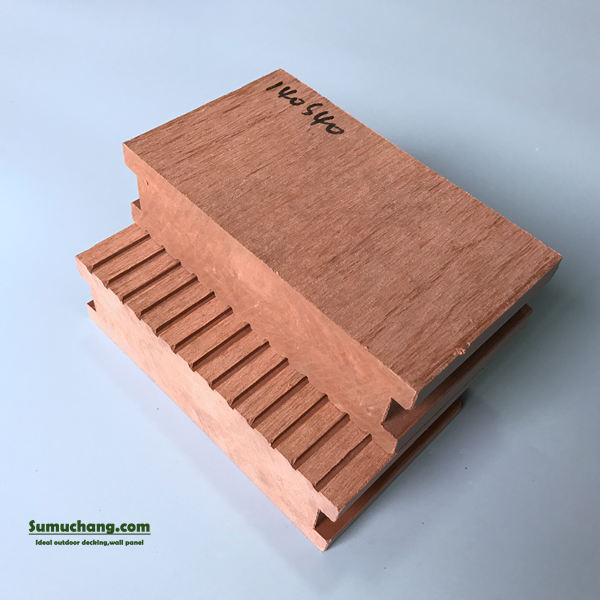
On the other hand, uncapped composite decking lacks the protective outer layer that characterizes its capped counterpart. While it is still formulated from composite materials, which generally include wood fibers and recycled plastics, the absence of a cap means that it is more susceptible to moisture absorption, stains, and fading. Homeowners considering uncapped composite decking should be prepared for a more hands-on approach to maintenance. Regular cleaning and potential sealing may be necessary to prolong the life of the boards and maintain their appearance.
One of the benefits of uncapped composite decking is its cost-effectiveness. Typically, uncapped options are less expensive than capped varieties, making them an attractive choice for homeowners on a budget. This affordability allows for flexibility in project planning, enabling homeowners to allocate funds to other aspects of their outdoor renovations. However, it is essential for potential buyers to weigh the initial savings against the long-term maintenance costs that may arise due to the need for regular care and potential replacements.
When deciding between capped and uncapped composite decking, it is essential to consider the specific needs of your outdoor space. For families with children or pets, capped composite decking may be the better option due to its superior durability and resistance to scratches and stains. The protective layer ensures that the decking can withstand the wear and tear caused by active lifestyles. Additionally, the variety of colors and textures available in capped options allows homeowners to create a safe and attractive environment for play and relaxation.

For homeowners who prioritize eco-friendliness, both capped and uncapped composite decking can be appealing, as they are typically made from recycled materials. However, the durability of capped composite decking may result in a lower environmental impact over time, as it reduces the need for frequent replacements and repairs. Choosing a product that lasts longer can contribute to a more sustainable lifestyle, lessening the demand for new materials and minimizing waste.
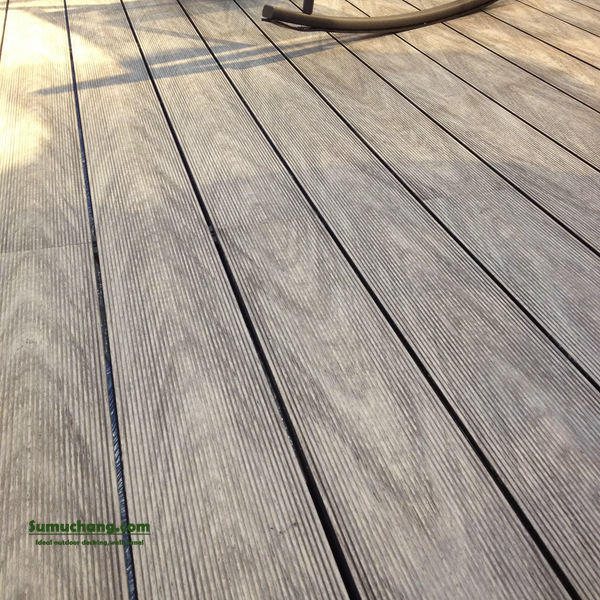
Aesthetics also play a crucial role in this decision-making process. Homeowners looking to create a modern, polished look may find that capped composite decking offers the visual appeal they desire. The variety of finishes available allows for customization that can suit any architectural style or landscape design. Uncapped composite decking, while still available in several colors and styles, may not provide the same level of finish and refinement that some homeowners are seeking.
When comparing costs, it is also essential to consider the long-term implications. While uncapped composite decking may present a lower initial investment, the potential costs associated with maintenance and replacement should be factored into the overall budget. Homeowners should evaluate how long they plan to stay in their homes and consider whether investing in capped composite decking might deliver better value and satisfaction over time.
Ultimately, the choice between capped and uncapped composite decking hinges on several factors, including budget, maintenance preferences, aesthetic desires, and the specific conditions of the outdoor environment. Each option has its unique set of advantages and drawbacks, making it essential for homeowners to conduct thorough research and possibly consult with professionals in the decking industry. By carefully assessing individual needs and the characteristics of each decking type, homeowners can make an informed decision that will enhance their outdoor living spaces for years to come. The right decking choice can transform a backyard into a beautiful retreat, providing a perfect setting for gatherings, relaxation, and enjoyment of the great outdoors.