 English
  Español
  Français
  Português
  Deutsch
  Italiano
  Русский
  العربية
  简体中文
简体中文  香港中文
香港中文  한국어
한국어  日本語
日本語  Türkçe
  Nederlands
  Bahasa Indonesia
 Choose the Right Composite Decking for Your Outdoor Needs
When it comes to enhancing your outdoor living space, composite decking has emerged as a popular choice for homeowners. Its blend of wood fibers and plastic materials creates a durable, low-maintenance option that can withstand the elements better than traditional wood. However, selecting the right composite decking requires careful consideration of various factors, particularly installation and maintenance.
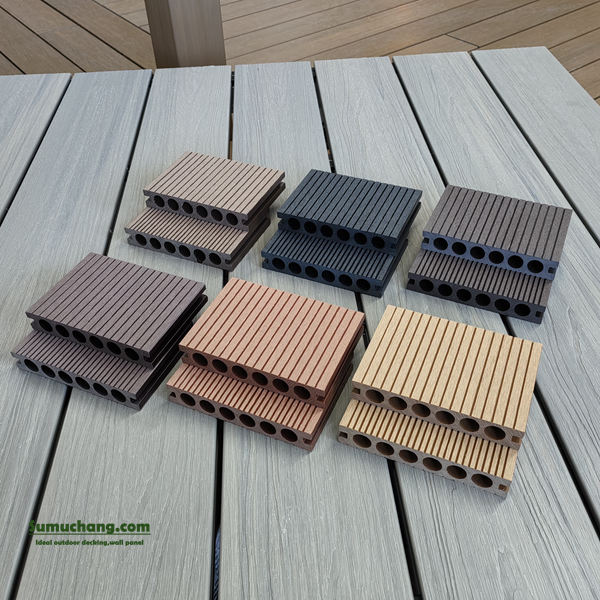
First and foremost, understanding the types of composite decking available is crucial. There are two primary categories: capped and uncapped composite decking. Capped composite decking features a protective polymer shell that encases the core material, providing additional resistance to moisture, stains, and fading. This type is ideal for areas prone to heavy foot traffic or where spills are likely to occur. Uncapped options, while usually more affordable, may require more maintenance over time as they are more susceptible to damage from weather conditions and heavy use.

Before installation, it is important to assess your outdoor space thoroughly. Consider factors such as the size of the area, the type of climate you experience, and how you plan to use the deck. Will it be primarily for entertaining guests, or will it serve as a quiet retreat? These considerations will help you determine the amount of decking material needed and the appropriate type to choose. Additionally, ensure that the ground is level and that the underlying structure can support the weight of the composite decking.
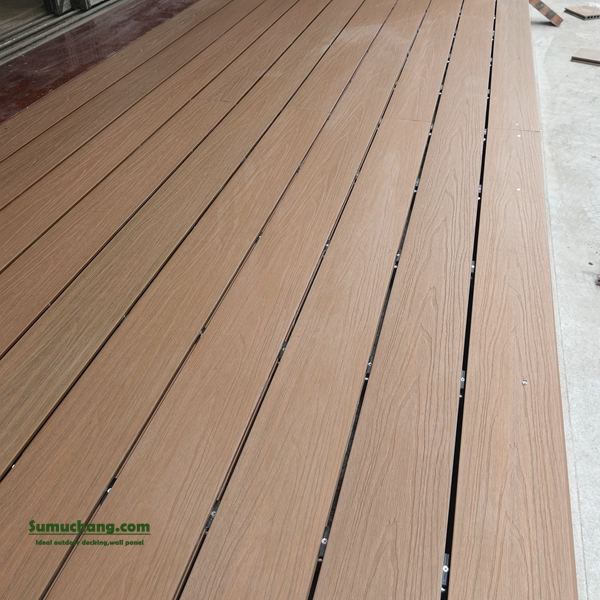
Once you have selected the right type of composite decking for your needs, the installation process begins. Many homeowners opt for professional installation, but skilled DIY enthusiasts can complete the project themselves. It is vital to follow the manufacturer’s guidelines during installation to ensure that the decking performs well and lasts for many years. Proper installation includes allowing for adequate spacing between boards to accommodate expansion and contraction due to temperature changes. This will help prevent warping or buckling over time.
Another essential aspect of installation is selecting the appropriate fasteners. Some composite decking products come with hidden fastening systems that create a seamless appearance, while others may require screws or nails that are visible. Choosing the right fasteners is not only a matter of aesthetics but also functionality. Using the wrong type can lead to issues such as corrosion or damage to the decking material.

Maintenance of composite decking is generally simpler than that of traditional wood, but it is not entirely maintenance-free. Regular cleaning is essential to keep the decking looking its best. Most manufacturers recommend using a mild soap solution and a soft-bristle brush to remove dirt and debris. Avoid harsh chemicals or abrasive tools that could scratch or damage the surface. For stubborn stains, a specialized composite deck cleaner may be necessary. Keeping the decking free from organic debris, such as leaves and dirt, will prevent mold and mildew growth, which can compromise the appearance and safety of your deck.
Seasonal maintenance is also important. In regions with heavy snowfall or ice, be cautious when clearing your deck during winter months. Using a plastic shovel or a snow blower designed for composite surfaces can help prevent scratches or damage. It is advisable to avoid using de-icing salts, as they can lead to discoloration and affect the integrity of the materials. In warmer months, applying a sealant may enhance the appearance of the deck and provide additional protection against UV rays and moisture.
The longevity of your composite decking will depend largely on how well you maintain it. Many manufacturers offer warranties that cover fading, staining, and structural integrity, but these warranties often require adherence to specific maintenance guidelines. Familiarize yourself with these guidelines to ensure you are not voiding any warranties.
In addition to regular cleaning and maintenance, consider periodic inspections of your deck. Check for any signs of wear, such as cracks or loose boards, and address any issues promptly. This proactive approach can prevent more significant problems down the line and extend the life of your composite decking.
In selecting the right composite decking for your outdoor needs, keep in mind the installation requirements, maintenance routines, and the specific characteristics of the product you choose. With careful consideration and proper care, your composite deck can provide a beautiful and functional outdoor space for years to come. By investing time in selecting the right materials and following best practices for installation and maintenance, you can enjoy a low-maintenance, durable outdoor living area that enhances your home’s value and your quality of life.