 English
  Español
  Français
  Português
  Deutsch
  Italiano
  Русский
  العربية
  简体中文
简体中文  香港中文
香港中文  한국어
한국어  日本語
日本語  Türkçe
  Nederlands
  Bahasa Indonesia
 Explore WPC Cladding for a Modern and Stylish Look
Wood Plastic Composite (WPC) cladding is becoming increasingly popular in modern architecture and design due to its unique blend of aesthetic appeal and practicality. The manufacturing process of WPC plays a crucial role in achieving its desirable characteristics, making it an excellent choice for stylish and contemporary building exteriors. Understanding the intricacies of WPC production can shed light on why this material stands out in the world of cladding.
The production of WPC begins with the careful selection of raw materials. Typically, the composite consists of a mixture of wood fibers or flour and thermoplastic materials, such as polyethylene or polypropylene. These components are chosen for their specific properties that contribute to the final product’s performance. Wood fibers provide the natural look and feel of traditional wood, while the thermoplastic materials impart durability, resistance to moisture, and enhanced longevity.
The first step in the manufacturing process is the preparation of the wood fibers. These fibers are usually sourced from recycled wood products or sustainably harvested timber, aligning with eco-friendly practices. The wood is processed to create a consistent particle size, which is essential for ensuring a uniform blend with the plastic components. This step is critical as it affects the overall strength and appearance of the finished WPC product.

Once the wood fibers are prepared, they are combined with the thermoplastic materials in a specific ratio. This mixing process is performed using advanced machinery that ensures an even distribution of materials. The blending of wood and plastic is crucial as it directly influences the mechanical properties, such as tensile strength and flexibility, of the final product. It also affects the visual characteristics, such as color and texture, which are vital for achieving a modern and stylish look.
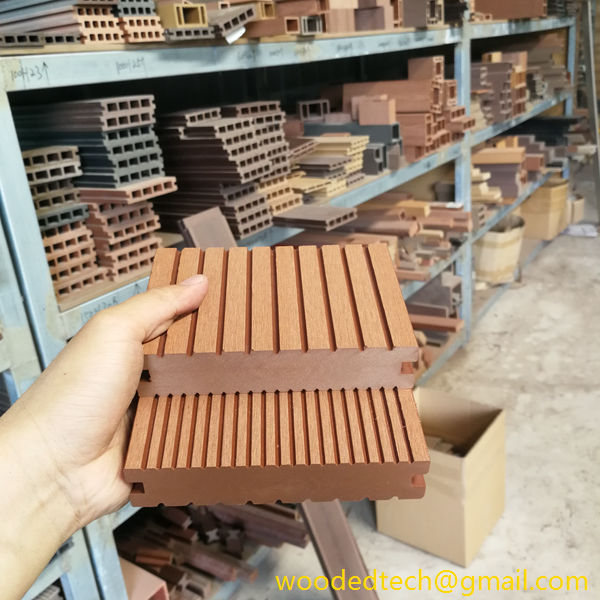
After the materials are thoroughly mixed, the next stage involves heating the composite mixture. This process, known as extrusion, is where the blended materials are melted and formed into a specific shape. The extruder applies heat and pressure to create a continuous profile that can be cut into various lengths. This method not only enhances the physical properties of WPC but also allows for the creation of different profiles and finishes, catering to diverse architectural styles.
Cooling is an essential phase following extrusion, where the newly formed WPC cladding is rapidly cooled to solidify its structure. This process helps preserve the shape and ensures that the material retains its dimensional stability. The cooling phase can also introduce various texturing techniques that provide a more authentic wood-like appearance. This feature is particularly appealing for those seeking a natural aesthetic without the drawbacks associated with traditional wood.
Finishing touches are applied after the cooling process, which may include sanding, painting, or applying protective coatings. These additional treatments enhance the visual appeal and durability of the WPC cladding, making it resistant to fading, scratching, and weathering. The finishing options available allow for customization, enabling architects and designers to select colors and textures that complement their overall design vision.

The properties of WPC cladding make it an excellent choice for modern construction. Its resistance to rot, mold, and insects significantly reduces maintenance requirements when compared to traditional wood products. This durability translates into cost savings over time, as property owners can enjoy a stylish exterior without the constant upkeep typically associated with wood. Furthermore, WPC is an environmentally friendly option, as it incorporates recycled materials and minimizes the need for deforestation.
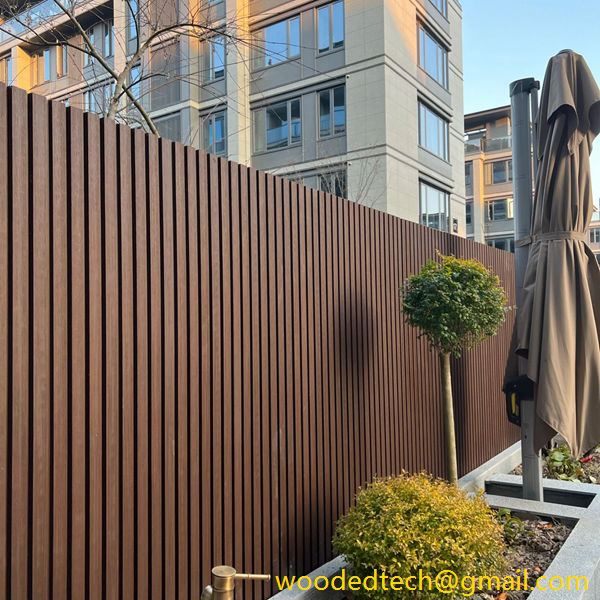
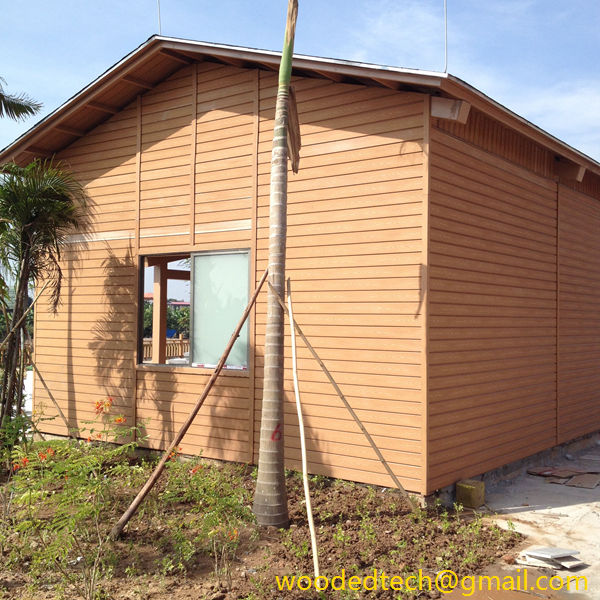
In addition to its practical benefits, WPC cladding offers versatility in design. It can be used in various applications, from residential homes to commercial buildings. The wide range of colors, finishes, and textures available allows for creative expression while ensuring that the end product meets both functional and aesthetic needs. Architects can experiment with different profiles and arrangements, creating visually striking facades that stand out in any environment.
As modern architecture continues to evolve, the demand for innovative materials like WPC cladding will likely increase. Its combination of durability, sustainability, and style positions it as a frontrunner in the realm of building materials. The ongoing advancements in WPC manufacturing processes also promise to enhance its performance characteristics, making it an even more attractive option for future construction projects. Embracing WPC cladding not only elevates the design of a structure but also contributes to a more sustainable future in building practices. With its unique blend of wood and plastic, WPC cladding truly embodies the essence of modern architectural design.