 English
  Español
  Français
  Português
  Deutsch
  Italiano
  Русский
  العربية
  简体中文
简体中文  香港中文
香港中文  한국어
한국어  日本語
日本語  Türkçe
  Nederlands
  Bahasa Indonesia
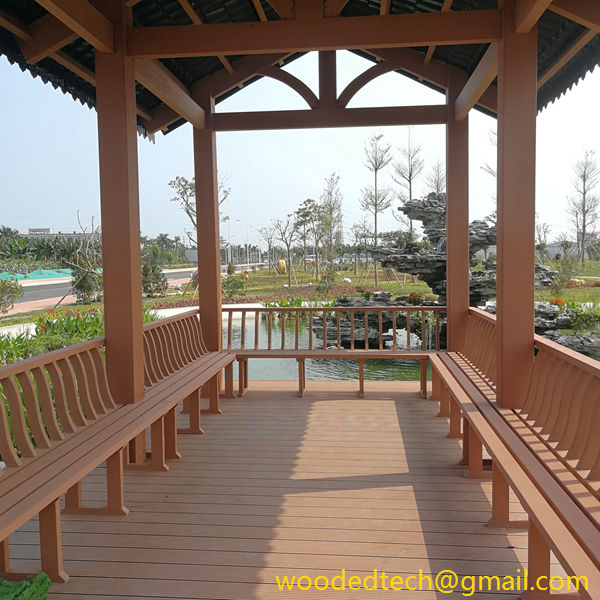
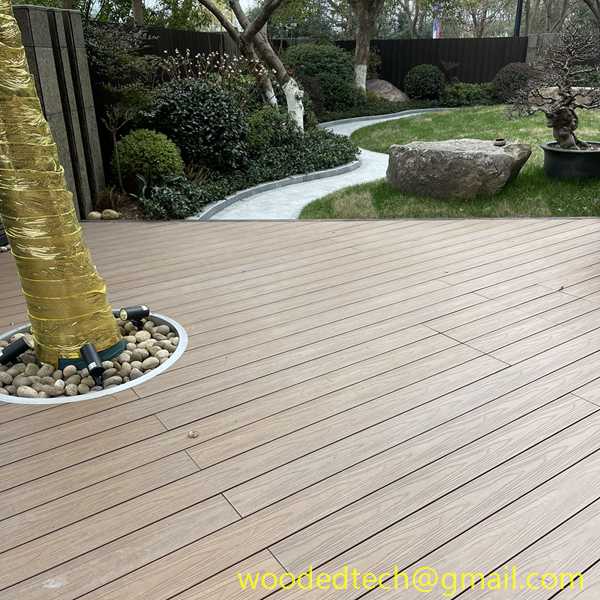
Composite decking handrails have emerged as a popular choice for homeowners and builders looking to enhance both safety and style in outdoor spaces. With the growing demand for sustainable and low-maintenance materials, composite decking has become a favored alternative to traditional wood. This shift in preference is driven not only by aesthetic considerations but also by the practical benefits offered by composite materials.
The global distribution of composite decking production is influenced by various factors, including raw material availability, labor costs, and regional market preferences. Major manufacturing hubs are located in North America, Europe, and Asia, with companies investing heavily in production facilities to meet the increasing demand. The United States remains one of the largest markets for composite decking and handrails due to a combination of favorable climate conditions, a strong construction industry, and a consumer preference for durable outdoor solutions. Meanwhile, countries in Europe are also catching up, with a growing awareness of the environmental benefits associated with composite materials.
Price advantages play a significant role in the adoption of composite decking handrails. The initial investment for composite materials might be higher compared to traditional wood, but the long-term savings associated with maintenance and durability make it a cost-effective choice. Composite handrails are resistant to fading, warping, and insect damage, which means they do not require regular staining or sealing like wood. This reduction in maintenance costs translates into lower overall expenses for homeowners over time.

Moreover, the competitive landscape of composite decking manufacturers has led to innovations in pricing strategies. As more companies enter the market, consumers benefit from a wider range of options at varying price points. This increased competition encourages manufacturers to improve their production processes and reduce costs, ultimately allowing for more affordable composite decking solutions. As a result, homeowners are able to find high-quality handrails that not only fit their budget but also meet their design preferences.
The aesthetic appeal of composite decking handrails cannot be overstated. Available in a variety of colors and styles, they can complement any architectural design while providing a modern touch to outdoor spaces. Whether seeking a sleek, contemporary look or a rustic charm, homeowners can choose from a range of finishes that suit their taste and enhance the overall ambiance of the area. This versatility in design makes composite handrails an attractive option for new constructions as well as renovations.
In addition to their visual appeal, composite decking handrails are engineered for safety. The non-slip surfaces and sturdy construction provide peace of mind for families, especially those with children or elderly members. Safety features are often built into the design, ensuring that the handrails meet or exceed the necessary building codes and regulations. This focus on safety, combined with stylish design options, makes composite handrails an ideal choice for both residential and commercial properties.
Sustainability is another critical factor driving the popularity of composite decking handrails. Many manufacturers use recycled materials in their products, which helps reduce waste and promote environmental responsibility. This eco-friendly approach resonates with consumers who are increasingly conscious of their environmental footprint and are seeking sustainable options for their homes. By opting for composite materials, homeowners can enjoy the beauty and functionality of their outdoor spaces while contributing to a more sustainable future.
As the market for composite decking handrails continues to expand, innovations in technology and materials are likely to enhance their appeal even further. Advancements in manufacturing processes may lead to even more durable and aesthetically pleasing products, catering to the evolving tastes and needs of consumers. With a strong focus on safety, style, and sustainability, composite decking handrails are poised to remain a popular choice for homeowners and builders alike.
The future of composite decking handrails looks promising, driven by a combination of global production capabilities and the desire for cost-effective, stylish solutions. As more homeowners recognize the benefits of these materials, the demand is expected to grow, leading to further innovations that enhance both safety and aesthetics. This evolution in the market reflects a broader trend toward sustainable living and smart investment in home improvement, making composite decking handrails an integral part of modern outdoor design.